

The Best Infant Loungers for Safe, Happy Awake Time
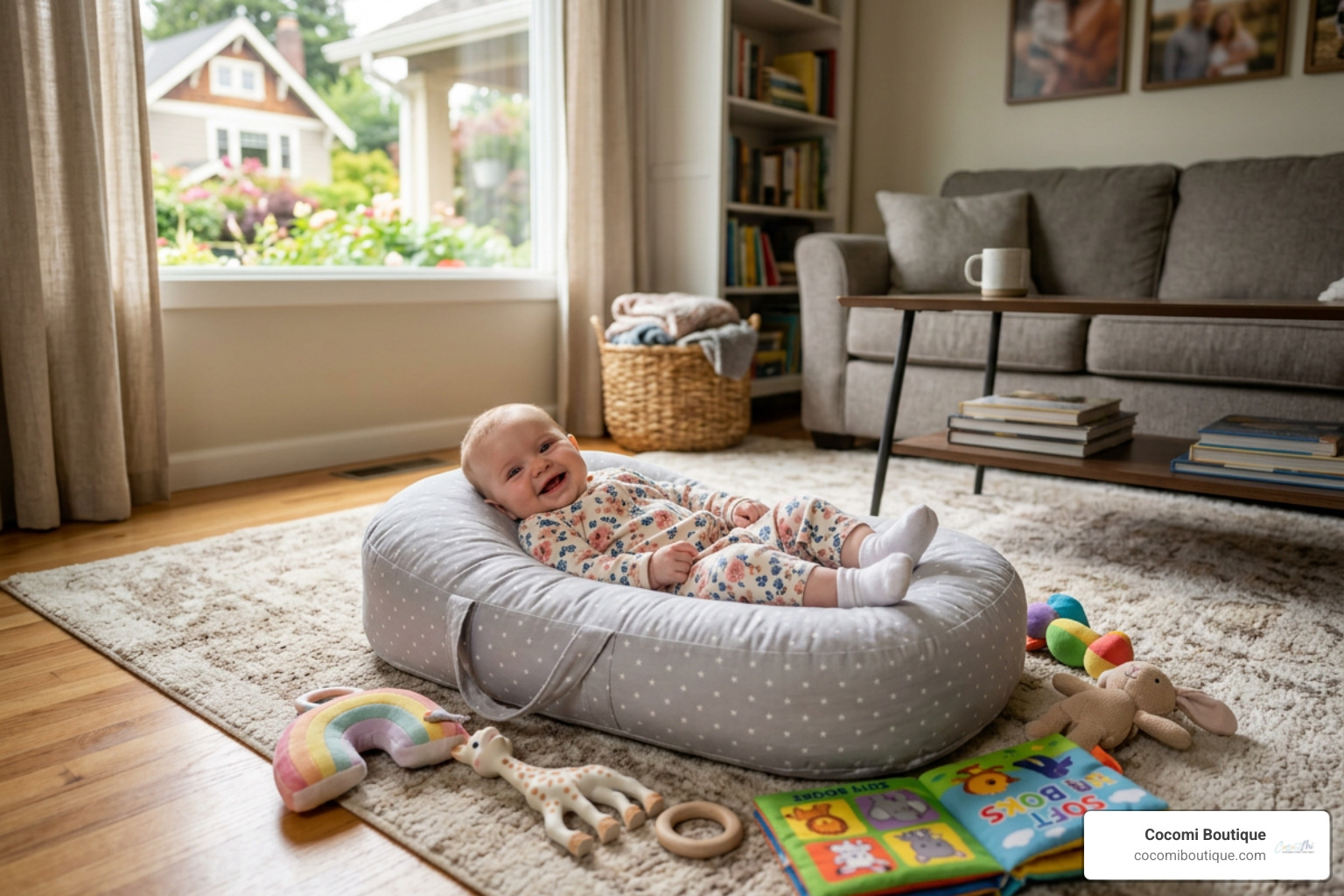
The best infant loungers give your baby a cozy, supported spot to rest, play, and explore — all while keeping your hands free for a few precious minutes.
Here are the top infant loungers worth considering:
| Lounger Type | Best For | Age Range | Price Range |
|---|---|---|---|
| Organic Cotton Infant Lounger | Womb-like comfort, organic materials | 0-9 months | ~$100 |
| Contoured Support Lounger | Tummy time, easier diaper changes | 0-6+ months | ~$120 |
| Versatile Travel Lounger | Versatility, travel | 0-8 months | $175-$275 |
| Therapist-Designed Lounger | Reflux support, development | 0-6 months | varies |
| Premium Comfort Lounger | Comfort and support | newborn+ | varies |
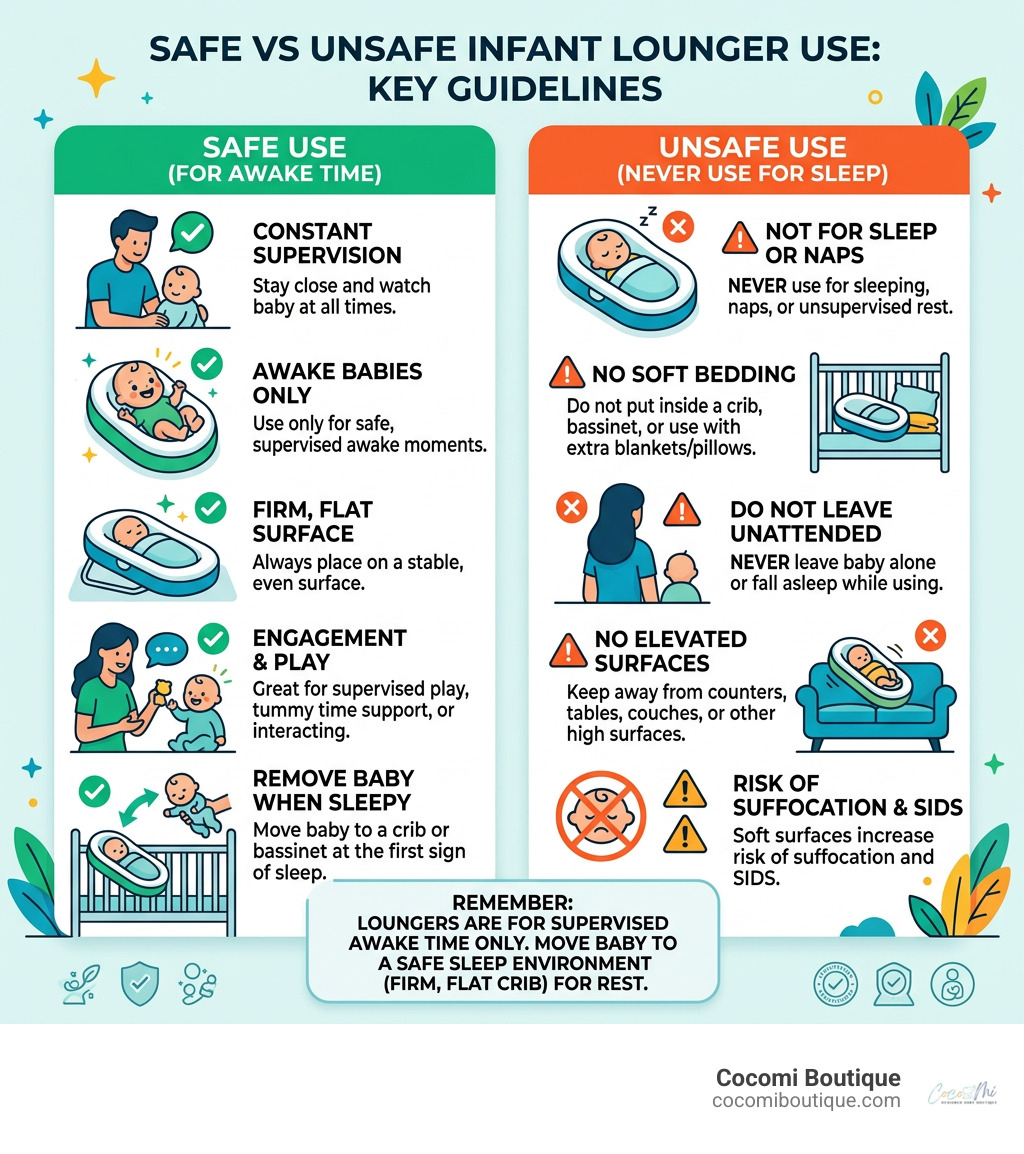
Infant loungers are not approved for sleep — they are for supervised awake time only. Always move your baby to a firm, flat crib or bassinet the moment they fall asleep.
The snug, contoured shape of a quality lounger mimics the feeling of being held. That gentle "hugging" sensation can calm a newborn's startle reflex and help them feel secure during awake moments — whether you're doing dishes, folding laundry, or simply sitting nearby for bonding time.
With so many options on the market, it can feel overwhelming to choose. Prices range from around $40 to over $275, materials vary widely, and safety standards matter more than most product pages admit.
I'm Monika Jarog, and I've spent years handcrafting and curating baby essentials — from cozy nests to nursing pillows — with a focus on natural, chemical-free materials that meet the highest safety standards, which is exactly the lens I bring to reviewing the best infant loungers here. Whether you're building your registry or replacing a lounger your baby has outgrown, this guide will help you choose with confidence.
Understanding the Purpose of Infant Loungers
Think of an infant lounger as a cozy "docking station" for your little one. In those early weeks and months, babies spend a lot of time being held, but there are moments when you need to set them down safely to fold a load of onesies or grab a quick snack. This is where the best infant loungers shine.
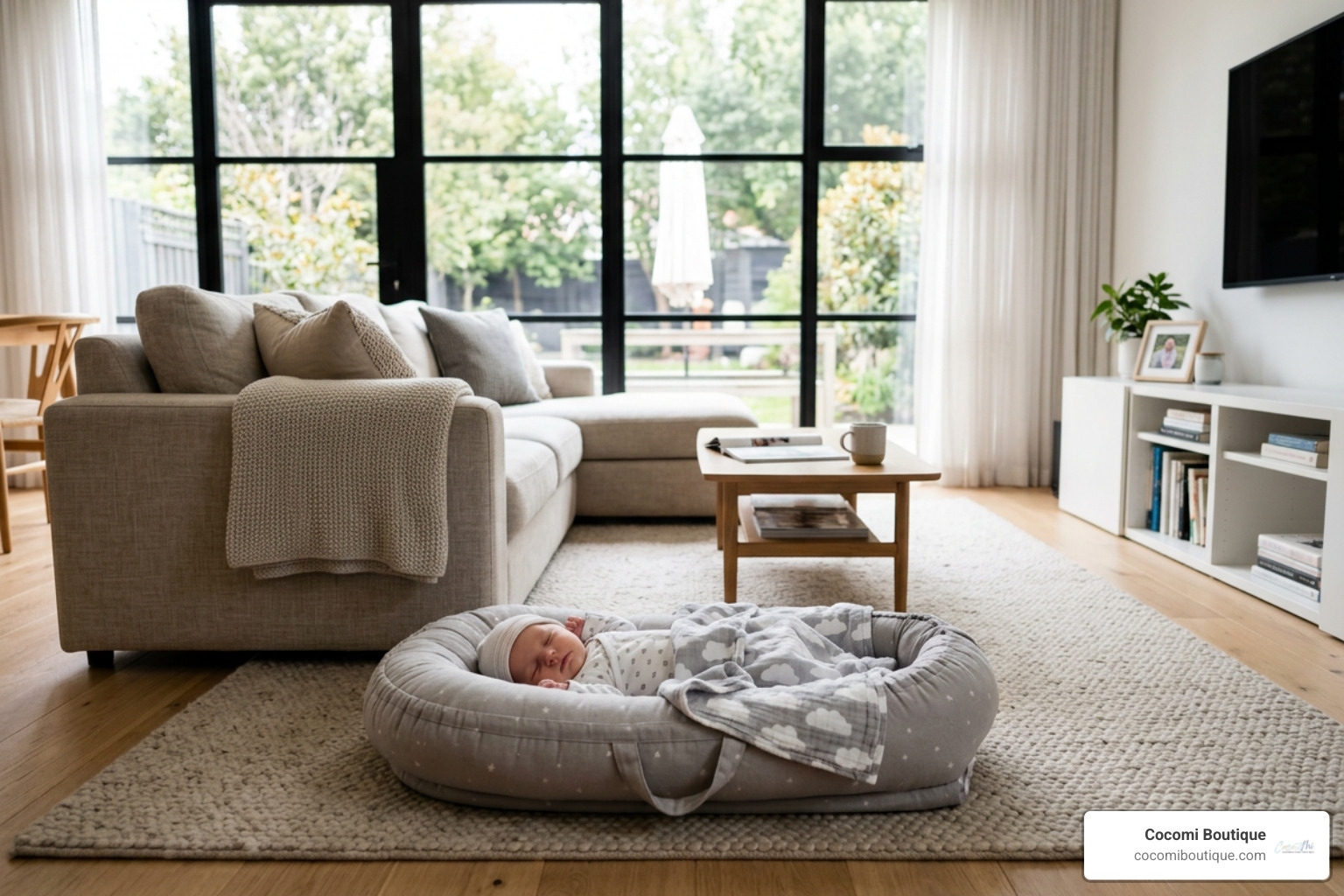
The primary purpose of these products is to provide a sensory lounging environment that mimics the snugness of the womb. Many loungers feature an unpadded center or a specific contour that pulls the sides in around the baby’s torso, providing a "hugging" sensation. This design is particularly effective for active engagement and bonding. When your baby is in a lounger on the floor next to you, you can easily maintain eye contact, talk to them, and encourage their visual exploration of the room.
It is important to distinguish these from sleep products. According to is-a-baby-nest-worth-it-unpacking-the-what-why-and-how-to, a lounger is intended for supervised rest and play. It is not a substitute for a crib or bassinet. Many parents find an infant portable lounger indispensable for moving from room to room—keeping the baby within sight while they work from home or prep lunch in the kitchen.
Essential Safety Guidelines for Using the Best Infant Loungers
Safety is the absolute priority when discussing any baby gear. The global baby lounger market reached $1.2 billion in 2022, but with that growth comes a heavy responsibility for parents to understand the risks.
The American Academy of Pediatrics (AAP) and the Consumer Product Safety Commission (CPSC) are very clear: infant loungers are for supervised awake time only. They are never safe for naps, overnight sleep, or co-sleeping. The padded sides that make a lounger feel cozy also pose a significant suffocation risk if a baby’s face presses against them.
Here are the non-negotiable safety rules:
- Always Supervise: Never leave your baby unattended in a lounger, even for a minute. An adult must be alert and in the same room.
- Floor Use Only: Only place the lounger on a firm, flat floor. Never use it on elevated surfaces like couches, beds, or tables where the baby could roll off.
- Check for Recalls: Stay informed about product recalls. Always check the CPSC website before using a secondhand lounger.
- Move Sleeping Babies: If your little one drifts off, immediately move them to a safe sleep environment. You can learn more about the differences in nest-or-no-nest-decoding-safe-sleep-for-your-newborn.
Loungers vs. Safe Sleep Spaces
| Feature | Infant Lounger | Bassinet / Crib |
|---|---|---|
| Purpose | Awake play, bonding, tummy time | Sleep and unsupervised rest |
| Surface | Contoured, padded sides | Flat, firm mattress |
| Supervision | Required at all times | Not required (if following safe sleep) |
| Safety Standard | CPSC 16 CFR part 1218 (Non-sleep) | AAP Safe Sleep Compliant |
Understanding these distinctions helps prevent accidents. For a deeper dive into why the surface matters, check out crib-or-nest-navigating-safe-sleep-for-your-baby.
Key Features to Look for in a Quality Lounger
When you are hunting for the best infant loungers, the materials used are just as important as the design. Since your baby’s skin is incredibly sensitive, we always recommend looking for high-quality, non-toxic components.
- Organic Materials: Look for GOTS (Global Organic Textile Standard) certified organic cotton. This ensures the fabric is free from harmful pesticides and chemicals.
- Breathable Fills: The interior should be firm yet comfortable. Many top brands use polyester fiber fill or non-toxic foams that are breathable and hypoallergenic.
- Washability: Let's be real—babies are messy. Removable, machine-washable covers are a "must-have" feature. Some loungers allow you to wash the entire unit, while others feature zip-off covers for easy maintenance.
- Durability: A high-quality lounger should maintain its shape over time. You want something that provides consistent snuggle-nest-comfort without sagging.
Best Infant Loungers for Tummy Time and Development
Did you know that 45% of infants develop a flat head by 3 months of age? Successful tummy time drastically reduces those odds. The best infant loungers can actually assist in this developmental milestone.
Products designed with ergonomic support in mind are excellent for this stage. By placing your baby on their tummy across the edge of the lounger, you can help them build neck strength and muscle coordination. This incline also allows for visual exploration, making tummy time less of a chore and more of a learning experience. For a full breakdown of how nests support these early stages, see our babys-nest-complete-guide.
Best Infant Loungers for Portability and Travel
If you are a family on the go in the Chicago or Northbrook area, portability is key. A portable infant bed or lounger should be lightweight—ideally under 5 pounds—and easy to move between rooms or pack for a visit to grandma’s house in Glenview.
Look for features like:
- Travel Handles: Built-in handles make it easy to carry the lounger with one hand while holding your baby in the other.
- Compact Design: Some models are specifically designed to fit into travel bags.
- Quick-Dry Fabrics: Essential for those moments when you need to wash and dry the lounger quickly before heading out.
For more tips on choosing a model for travel, check out the portable-infant-lounger-complete-guide.
Frequently Asked Questions about Infant Loungers
Can my baby sleep in an infant lounger?
No. This is the most critical question we answer. Infant loungers are designed for supervised awake time only. Because of the padded, soft sides, there is a risk of positional asphyxiation if the baby's head slumps or they roll into the side. Even if it seems like they are sleeping soundly, you should always move them to a safe sleep environment. You can find more secrets to newborn sleep comfort in beyond-the-bassinet-unlocking-your-newborns-sleep-comfort-secrets.
When should I stop using an infant lounger?
Most infant loungers are designed for babies from birth up to 6 or 9 months. However, you should stop using a lounger the moment your baby shows signs of rolling over, pushing up on their hands and knees, or "kicking out" of the lounger. Every baby hits these milestones at different times, so follow the baby-nest-newborn guidelines and your baby's specific mobility signs rather than just the age on the box.
How do I clean and maintain an infant lounger?
Always follow the manufacturer's care label. Generally, you should:
- Remove the cover and wash it on a gentle cycle with cold water.
- Use a mild, dye-free detergent to protect your baby's skin.
- Air dry the cover or tumble dry on low heat if the instructions allow.
- For the inner nest-sleep-pillow, spot clean where possible or wash on a delicate cycle if it is fully machine-washable.
Conclusion
The best infant loungers are those that balance comfort, organic quality, and strict safety standards. Whether you are using a lounger for tummy time, bonding, or just to have a safe place to set your baby down while you stay close by, these products can make the "fourth trimester" much more manageable for parents in our Illinois communities.
At Cocomi Boutique, we believe that every moment with your baby should be filled with comfort and style. From the softest organic apparel to curated nursery essentials, we are committed to helping you create a nurturing environment for your little one.
Ready to learn more about creating the perfect nursery? More parenting tips and guides are available on our blog to help you navigate every step of your parenting journey.