

Safe Tummy Time Starts on the Floor
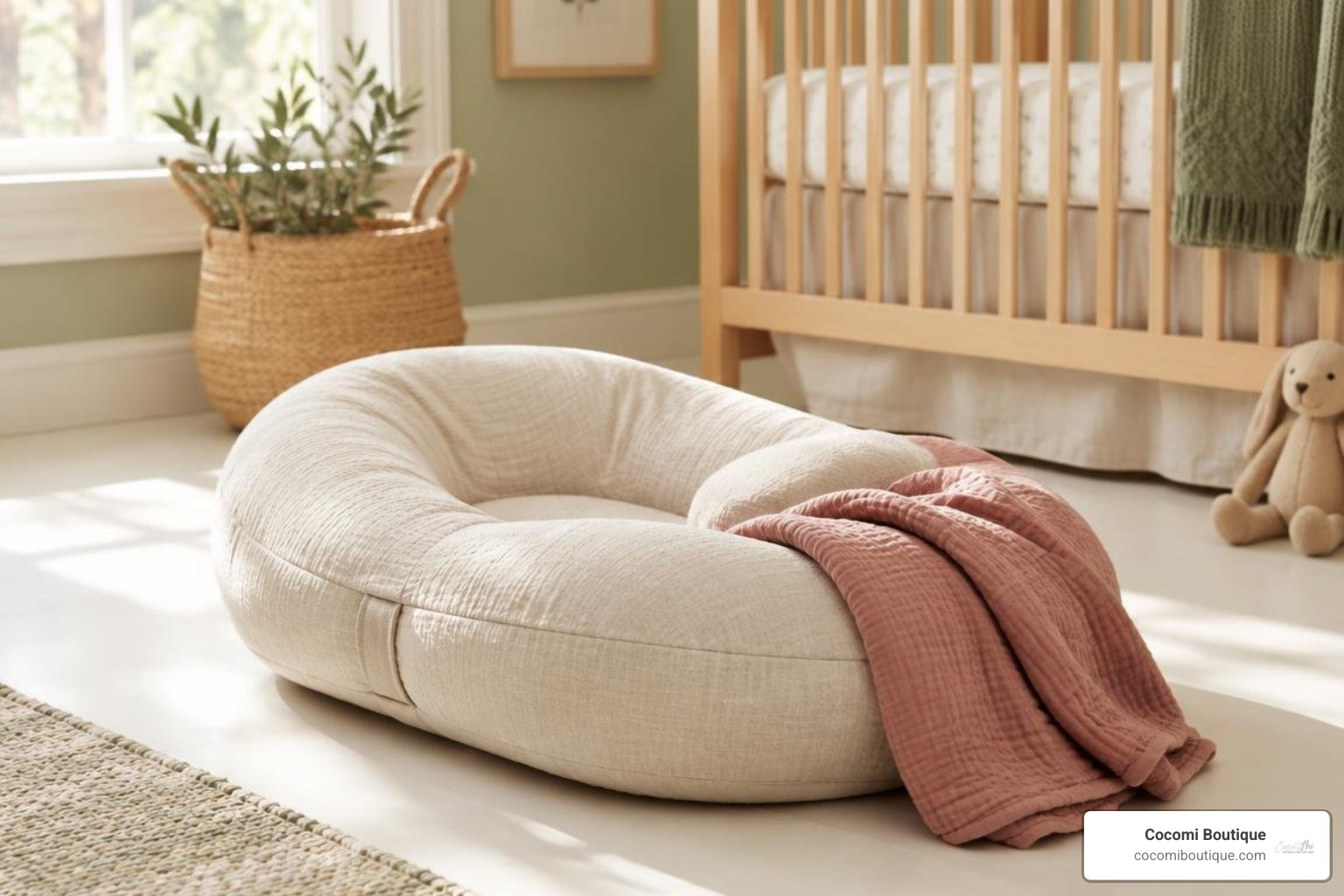
Do not use an infant lounger for tummy time. If you searched for a Boppy lounger for tummy time, the safer guidance is the same: an infant lounger is not designed as tummy-time equipment, and any recalled lounger should not be used at all. For safer practice, place your awake baby on a firm, flat floor mat and stay within arm's reach. If your baby needs a little help lifting their head, choose a purpose-made tummy-time prop pillow and follow its age, positioning, and supervision instructions.
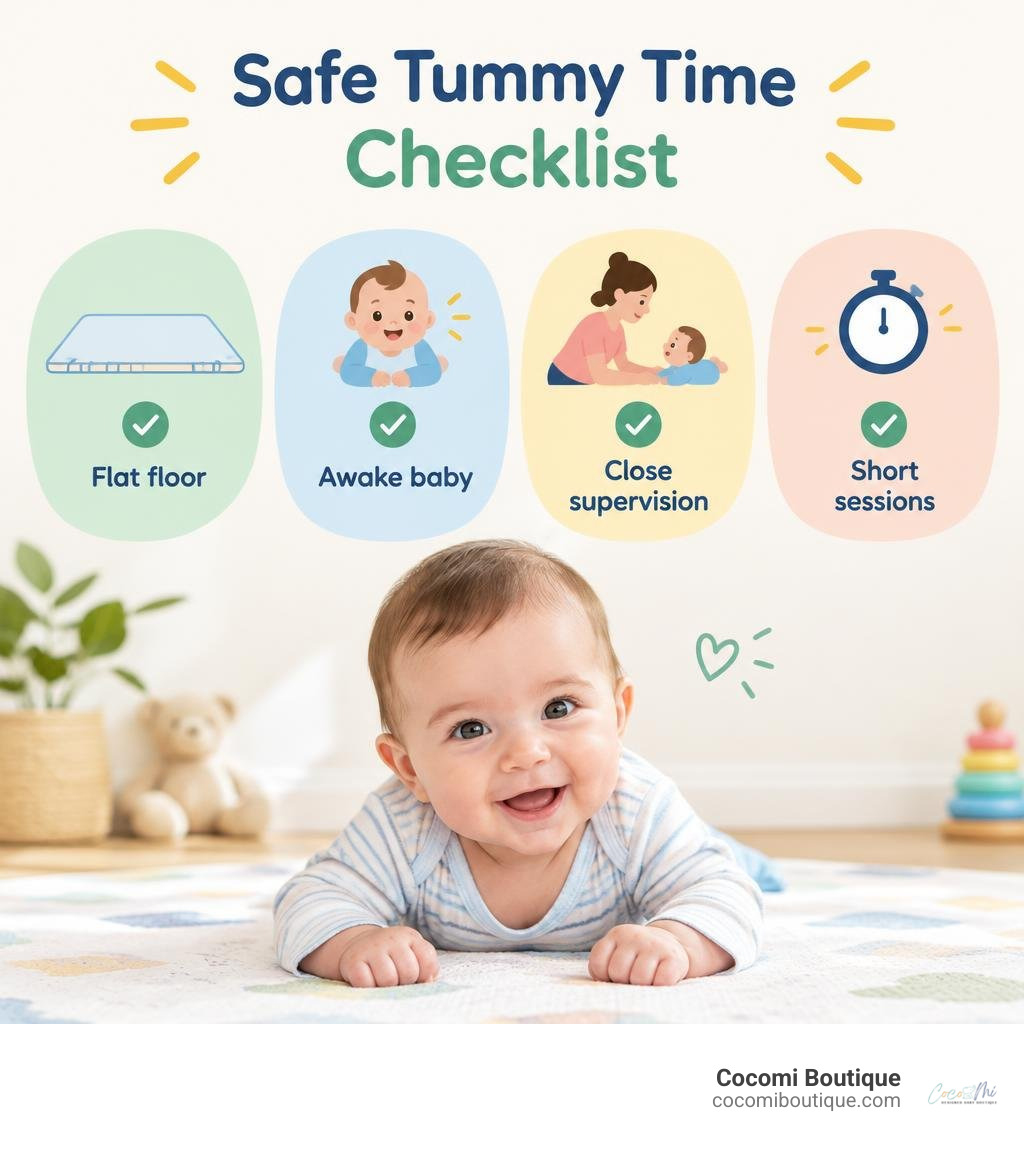
Tummy time can begin in short, gentle sessions from the first weeks of life, as long as your baby is awake and alert. This daily floor play helps build the neck, shoulder, and upper-body strength babies use for head control, rolling, sitting, and later movement.
A lounger and a tummy-time pillow may look similar, but they have very different jobs. This guide explains how to choose the right support, position your baby safely, keep play engaging, and know when a simple flat mat is the best choice.
CocoMi Baby Boutique creates thoughtfully designed baby essentials with comfort, safety, and natural materials in mind. While an infant lounger is not the right choice for tummy time, we believe parents deserve clear, practical guidance for creating calm, supervised floor-play routines.
Infant lounger for tummy time definitions:
- baby lounger for tummy time
- nursing pillow support
- safe sleep lounger
Introduction
As parents navigating those precious early weeks, we quickly discover that every single day brings subtle new shifts in movement, focus, and connection. Even a few minutes of daily tummy time can feel like tiny workouts for tiny humans, laying the physical foundation for rolling, sitting, and crawling.
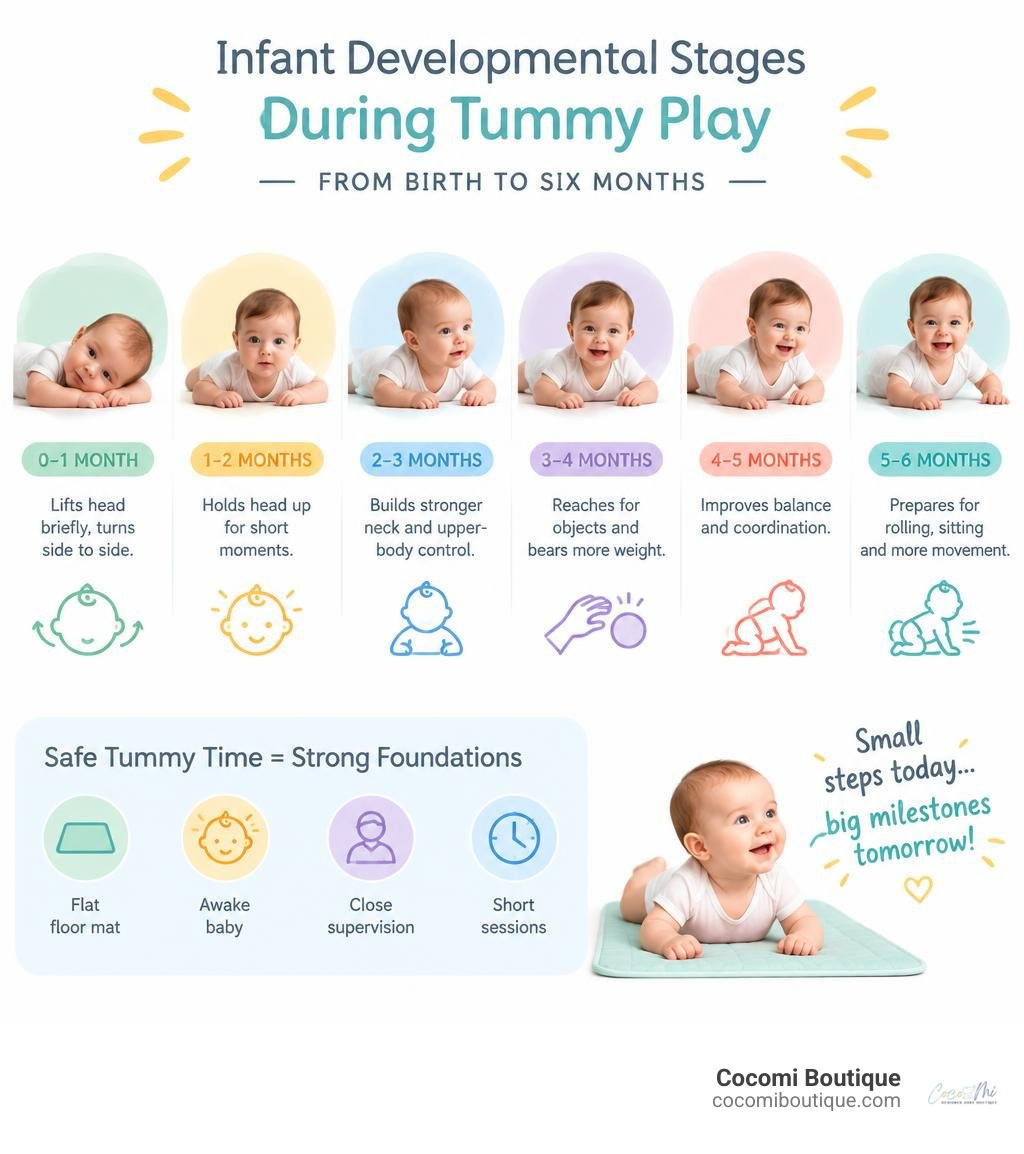
From birth to six months, an infant's relationship with movement rapidly expands. While early floor play is about building core neck control, selecting the right nursery environment and purposeful props helps make these workouts joyful and soothing.
Baby Lounger for Tummy Time: Key Safety Rules and Guidelines
Understanding infant positioning begins with clear safety boundaries. A traditional baby lounger is engineered with soft, plush sides and a recessed center meant for resting in a semi-reclined, supine (back-lying) posture during supervised wake windows. Placing an infant face-down on a deep cushion introduces serious hazards, including positional asphyxiation if the head droops or rolls into plush fabric.
When parents explore how to curate a safe home nursery, mastering safest infant lounger practices is essential:
- 100% Awake and Supervised: Never step away during floor activities. Always maintain direct eye contact and remain within arm's reach.
- Floor-Only Placement: Never position any baby lounger, prop, or mat on elevated surfaces like sofas, beds, or changing tables.
- Firm and Flat Surfaces: Tummy time must always happen on a stable, flat base—such as a firm rug, quilted play quilt, or dedicated tummy-time mat.
- Strictly Awake Play: Never permit a baby to nap or sleep inside an infant lounger or on a tummy-time support cushion. Safe sleep always requires a firm, flat, bare mattress.
- Stay Informed on Recalls: Always review updated safety notices from organizations like the U.S. Consumer Product Safety Commission tracking infant lounger safety to avoid unsafe sleep or play practices.

Understanding Props: Newborn Loungers vs. Tummy Time Pillows
It is easy for new parents to confuse infant loungers with dedicated developmental props. While a classic newborn lounger offers a cocooned nest for back-lying relaxation, specialized tummy-time props and feeding support cushions are sculpted specifically to assist upper-body elevation.
When exploring the versatility of a baby lounger for tummy time versus an ergonomic prop, design differences become clear:
- Newborn Loungers: Feature recessed wells and deep, pillowy borders. These are not engineered for prone chest elevation and should never be used for tummy-down exercises.
- Tummy Time Prop Pillows: Compact, C-shaped or crescent-shaped supports designed to sit securely under an infant’s upper chest, leaving the mouth and nose entirely unobstructed while giving little forearms a stable shelf to rest on.
- Multifunctional Nursing Pillows: Full-sized nursing pillows that offer multi-stage developmental support, transforming from feeding cushions into prone chest props as your little one grows.
When Can You Introduce a Baby Lounger for Tummy Time?
Pediatric occupational therapists recommend beginning tummy time as early as the first week of life. In those early days, this often looks like gentle chest-to-chest snuggling on a parent's torso.
Between 2 and 3 months of age, babies begin showing greater neck stability and visual curiosity. If you choose to introduce a purpose-built prop, ensure your little one is wide awake, calm, and placed on a firm surface. Start with brief 2- to 3-minute sessions a few times a day, gradually increasing duration as your infant builds physical tolerance and shoulder strength.
Prop Pillow Features
Purpose-built tummy-time cushions often integrate tactile and sensory features to keep curious eyes engaged:
- Integrated Toy Sliders: Systems that secure crinkle toys, silicone teething rings, and textured rattles directly in front of the baby's line of sight.
- Sensory Textures: Smooth organic cotton, ribbed corduroy accents, and gentle squeakers that encourage reaching and grasping.
- Ergonomic Tapering: Gentle slopes that naturally cradle the chest without forcing the lower back into hyperextension.
Many parents choose a high-end nursing pillow for newborn care that doubles as an ergonomic play support, crafting a versatile, stylish addition to the nursery.

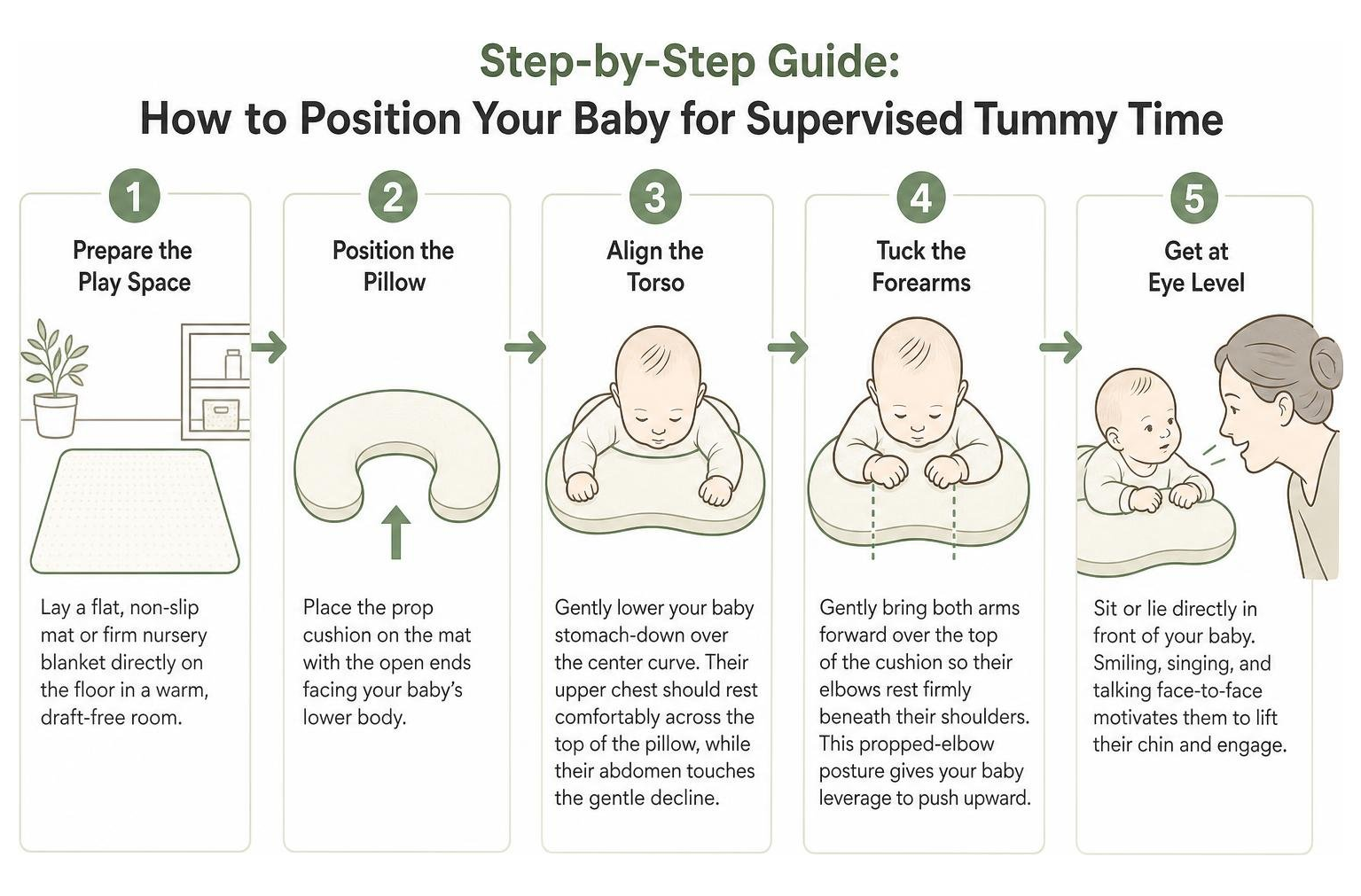
Step-by-Step Guide: How to Position Your Baby for Supervised Play
Positioning your baby properly on a dedicated tummy-time pillow ensures they build neck strength comfortably without muscle strain.
- Prepare the Play Space: Lay a flat, non-slip mat or firm nursery blanket directly on the floor in a warm, draft-free room.
- Position the Pillow: Place the prop cushion on the mat with the open ends facing your baby's lower body.
- Align the Torso: Gently lower your baby stomach-down over the center curve. Their upper chest should rest comfortably across the top of the pillow, while their abdomen touches the gentle decline.
- Tuck the Forearms: Gently bring both arms forward over the top of the cushion so their elbows rest firmly beneath their shoulders. This propped-elbow posture gives your baby leverage to push upward.
- Get at Eye Level: Sit or lie directly in front of your baby. Smiling, singing, and talking face-to-face motivates them to lift their chin and engage.
Engaging Your Baby During Baby Lounger for Tummy Time Sessions
Floor play is a multisensory milestone. Around 2 to 3 months, infants transition from purely observing high-contrast visuals to reaching out toward textures and sounds. Between 3 and 6 months, tactile exploration and cause-and-effect toys become essential.
To keep play sessions fun and engaging:
- High-Contrast Visuals: Prop black-and-white milestone art cards or board books at eye level.
- Unbreakable Floor Mirrors: Position a child-safe mirror so your little one can discover their own reflection.
- Tactile Rattles and Crinkle Toys: Offer lightweight grasping rings made of natural wood or food-grade silicone.
- Voice and Gentle Movement: Sing simple melodies, tell stories, or gently roll a soft sensory ball across their line of sight.
Side-Lying and Prone Support Techniques
If your baby tires quickly during prone play, pediatric occupational therapists often suggest side-lying positioning as an alternative milestone exercise.
Placing a soft, rolled muslin blanket behind your baby’s back allows them to play on their side. This posture supports midline hand-to-hand play, encourages rolling coordination, and strengthens the shoulder girdle without placing heavy strain on young neck muscles.
Cleaning, Care, and Safer Alternatives for Floor Play
Floor-play gear naturally gathers drool, spit-up, and everyday nursery dust. Keeping baby essentials fresh and hygienic requires mindful care:
- Removable Covers: Choose cushions and nests with zippered, machine-washable slipcovers made from OEKO-TEX certified fabrics.
- Spot Cleaning: Clean minor messes promptly with warm water and a mild, plant-based detergent.
- Safer Natural Alternatives: Many parents choose to transition away from synthetic props, opting instead for handcrafted floor quilts, natural linen play mats, or a flat organic infant lounger designed exclusively for awake, supervised lounge time.
| Feature / Solution | Dedicated Tummy-Time Prop | Handcrafted Flat Play Mat | Rolled Muslin Quilt |
|---|---|---|---|
| Primary Function | Upper-body chest lift | Unrestricted floor movement | Custom gentle elevation |
| Ideal Age Range | 1 to 6 months | Birth through toddlerhood | Newborn to 4 months |
| Fabric Recommendations | Machine-washable cotton | 100% OEKO-TEX certified linen/cotton | Breathable multi-layer muslin |
| Safety Supervision | 100% awake floor supervision | Continuous awake supervision | Continuous awake supervision |

Frequently Asked Questions About Infant Tummy Time
At what age should tummy time start?
The American Academy of Pediatrics recommends starting tummy time during your baby's very first week home. Begin with 1 to 2 minutes on a parent's chest or a firm floor mat, 2 to 3 times per day during alert wake windows, slowly increasing the duration as head control develops.
Can a baby sleep on a supportive pillow or lounger?
No. Infants should never sleep on a lounger, prop pillow, or nursing cushion. Safe sleep guidelines require a flat, firm, level sleep surface free from soft bedding, bumpers, or loose cushions to prevent suffocation and positional asphyxiation.
What are the best developmental toys for tummy time?
Between birth and 3 months, high-contrast black-and-white cards and child-safe mirrors are ideal for developing visual tracking. From 3 to 6 months, soft textured crinkle toys, lightweight rattles, and silicone teething rings encourage active reaching and bilateral hand coordination.
Conclusion
Guiding your baby through their first motor milestones is one of the most rewarding parts of early parenthood. By prioritizing safe floor positioning, awake-only supervision, and gentle support, you turn daily tummy workouts into warm moments of bonding and discovery.
At CocoMi Baby Boutique, we understand that every detail in your nursery matters. Founded by parents who sought the perfect balance of safety, elegance, and pure materials, we handcraft our collections from 100% natural, chemical-free fabrics certified to the highest European OEKO-TEX safety standards. Whether you are welcoming your first newborn or searching for the perfect heirloom baby shower gift, explore our curated nursery essentials and thoughtful parenting guides designed to bring comfort, timeless beauty, and peace of mind to your home.