

Understanding Lounger Infant Safety Standards and 2026 CPSC Rules
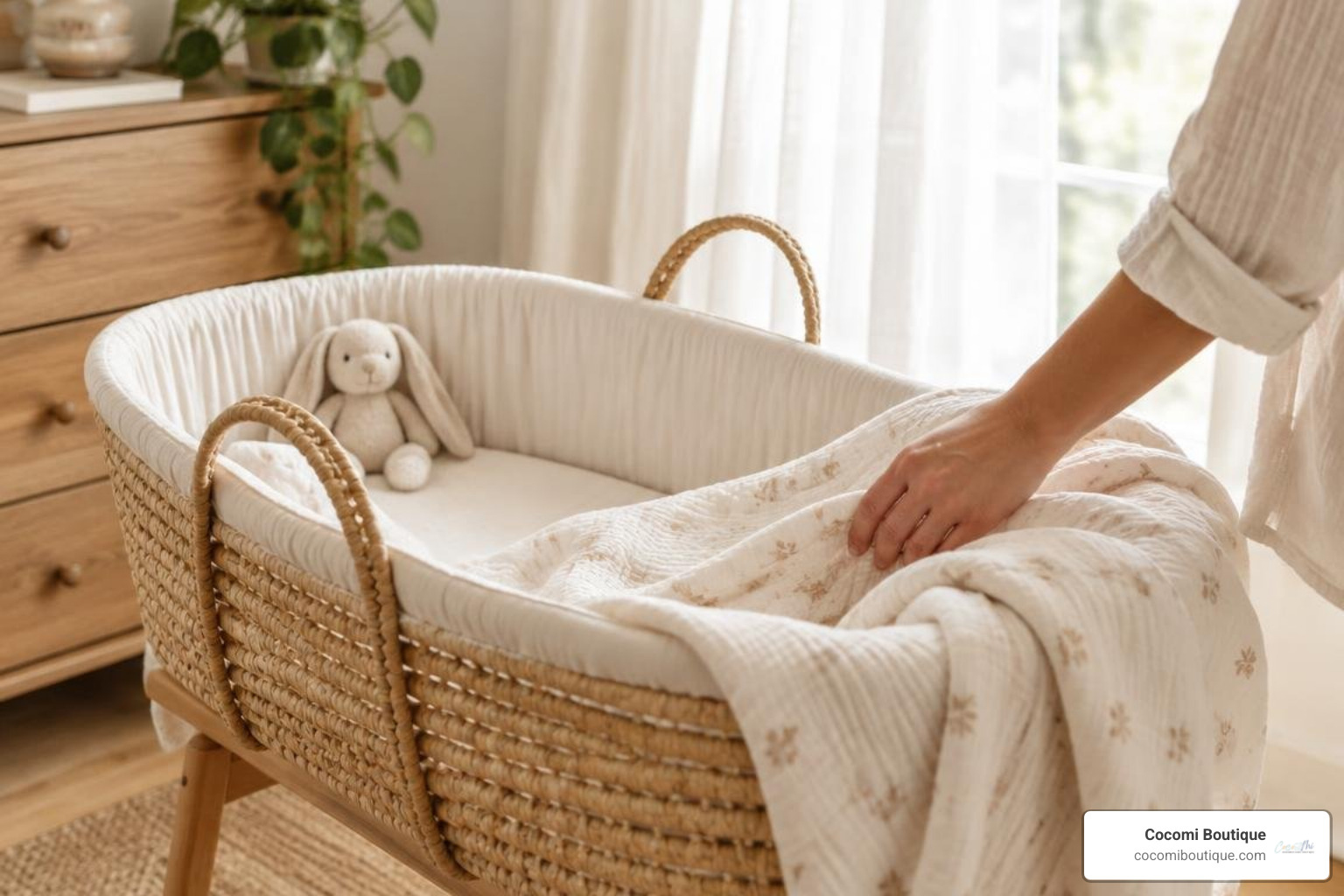
Federal safety regulations for infant products have evolved significantly to protect vulnerable newborns from suffocation hazards and fall risks. As of September 2026, the Consumer Product Safety Commission (CPSC) enforces strict mandatory standards under federal infant sleep and lounging product rules. These guidelines clearly distinguish between safe sleep environments and products designed strictly for supervised awake lounging.
Under updated federal standards, any cushioned item meant for infants must feature a firm, flat base, shallow and angled side walls rather than plush, pillowy bolsters, and permanent tracking labels. Non-compliant designs—such as deep nest-like cushions or inclined surfaces without rigid, elevated stands—fail federal safety requirements. When evaluating what makes the safest infant lounger, parents must prioritize firm, certified construction over overly soft, deep cushions.
Federal regulators have issued multiple warnings and notices of violation against third-party sellers marketing unregulated baby cushions. When shopping for baby essentials, always verify that the product features visible tracking information and rigorous safety testing credentials.
Why Baby Loungers Are Never Safe for Infant Sleep
Newborns lack the neck strength and muscle control to reposition their heads if their airway becomes compromised. When a baby rests on a plush or inclined surface, their heavy head can easily tilt forward, chin-to-chest, causing positional asphyxia—a silent and rapid form of suffocation. Soft, pillowy sides also present severe risks of face entrapment and carbon dioxide rebreathing if an infant shifts or turns.
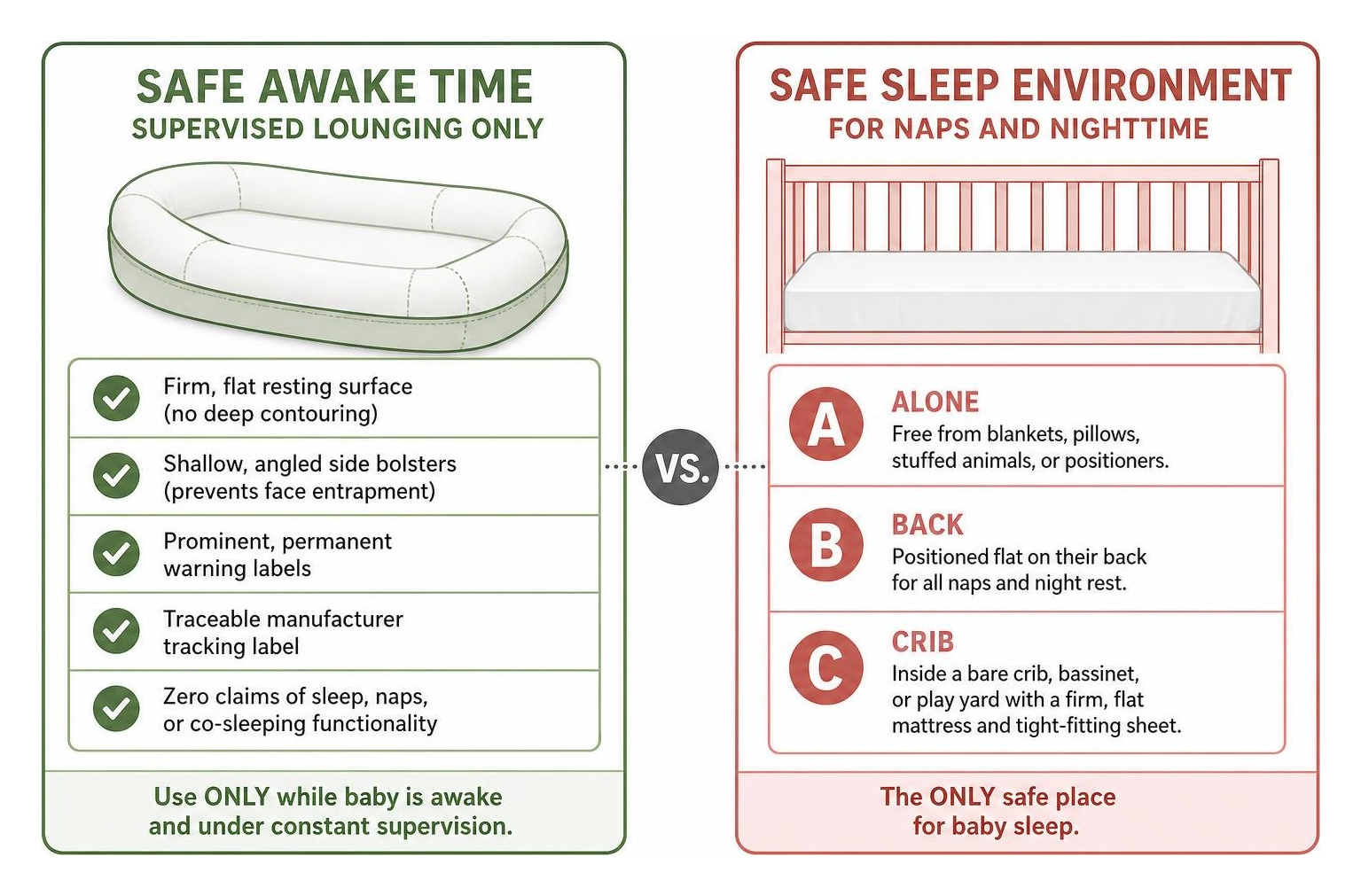
Medical authorities, including the American Academy of Pediatrics (AAP), maintain that there is no such thing as a safe sleep lounger. Safe infant sleep requires the "ABC" framework:
- Alone: Free from blankets, pillows, stuffed animals, or positioners.
- Back: Positioned flat on their back for all naps and night rest.
- Crib: Inside a bare crib, bassinet, or play yard featuring a firm, flat mattress with a tight-fitting sheet.
Placing a baby to sleep in any cushioned lounger, or positioning a lounger in bassinet spaces, directly compromises these vital safety guidelines.
How to Safely Move a Lounger Infant When Drowsiness Strikes
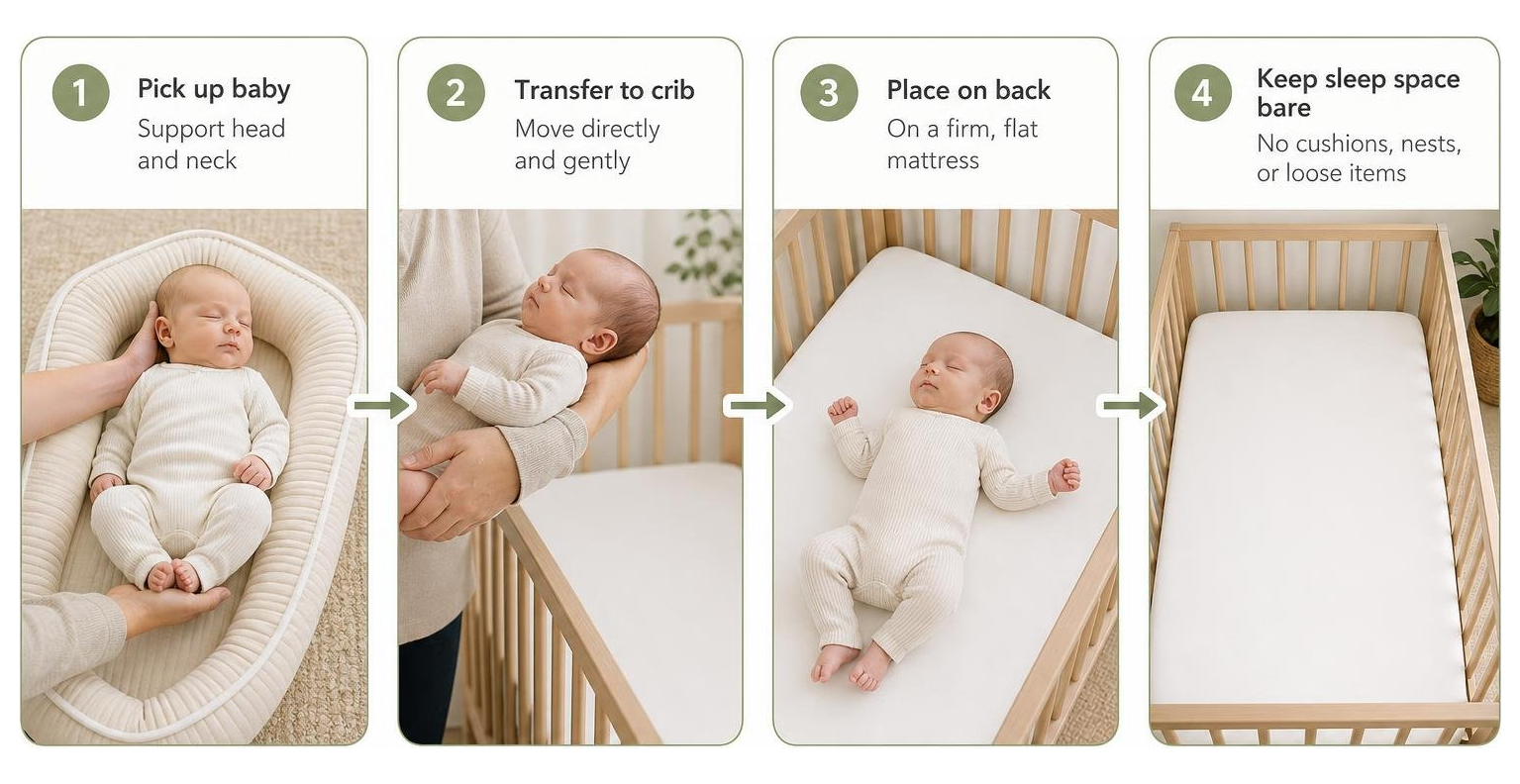
Babies often drift off quickly during calm awake moments. Because an infant lounger is meant exclusively for interactive awake time, parents must act promptly as soon as baby shows early sleep cues—such as heavy eyelids, slow blinks, glazed eyes, or yawning.
- Gently scoop up your baby, keeping one hand securely supporting their head and neck, and the other under their bottom.
- Transfer them directly to their dedicated crib or bassinet.
- Place them gently on their back onto a firm, flat mattress covered only with a well-fitted sheet.
- Keep the sleep space completely clear of all cushions, nests, or loose swaddle wraps.
Supervised Floor Rest vs. Baby Lounger: Key Differences for Growing Babies
Parents often wonder how a cushioned lounger compares to a traditional floor mat during daytime activities. While both provide a dedicated spot for your baby, they support infant development in distinct ways.
A flat play mat promotes unrestricted motor movement, encouraging babies to kick, stretch, and roll independently. A tailored lounger for newborn awake periods offers a cozy, bounded nook for face-to-face interaction, calm observation, and gentle sensory engagement while keeping baby cradled comfortably on the floor.
| Feature | Supervised Floor Rest / Play Mat | Handcrafted Baby Lounger |
|---|---|---|
| Primary Purpose | Motor milestone exploration & rolling | Calm supervised lounging & visual bonding |
| Surface Dynamic | Completely flat, unpadded floor base | Gently cradled, structured firm contour |
| Physical Mobility | Maximum limb extension & active rolling | Contained, cozy posture during awake rest |
| Portability | Requires floor space, easy to fold | Lightweight, easily moved room-to-room |
| Developmental Focus | Gross motor skills & rolling practice | Visual tracking, bonding & quiet awake breaks |
Reviewing our baby lounger complete guide provides additional context on balancing structured loungers with open floor play throughout your baby's daily routine.
Ergonomic Support and Supervised Awake Rest
During calm awake intervals, babies appreciate feeling secure and cradled. An ergonomically designed lounger provides structured support under the torso, keeping the head and neck neutrally positioned. For little ones managing digestion challenges, a brief period of supervised awake rest in a lounger for baby with reflux can provide comfortable positioning while keeping the infant fully upright and monitored by an adult.
Supervised Tummy Time and Motor Exploration
Tummy time is foundational for building upper body, shoulder, and neck strength. While most tummy time should occur on a flat nursery rug, introducing a baby lounger for tummy time under strict supervision can help gently prop an infant's chest, making early neck lifts less frustrating.
Engaging accessories, such as a developmental toy arch, encourage visual tracking and reaching during these brief, active floor sessions.
The Safe and Natural Baby Lounger Checklist
When shopping for nursery essentials, choosing natural and certified non-toxic materials is just as important as structural safety. Selecting a luxury baby lounger brand that focuses on pure, chemical-free construction safeguards delicate infant skin.
Our mission at CocoMi Baby Boutique began when we, as new parents, searched for infant essentials that combined pure European safety standards with elegant, handcrafted artistry. We design each piece with natural fabrics and OEKO-TEX certified materials so parents never have to compromise between beauty and safety.

Evaluating Lounger Infant Materials: Organic Cotton vs. Synthetics
Newborn skin is up to 30% thinner than adult skin, making it particularly vulnerable to synthetic irritants, chemical off-gassing, and trapped moisture.
- Organic Cotton & Natural Linen: Naturally hypoallergenic, highly breathable, and gentle on sensitive skin. Natural fibers regulate temperature effectively, preventing overheating during supervised play.
- Synthetic Polyesters & Microfibers: Often treated with chemical softeners or synthetic dye finishes that can cause contact dermatitis. Synthetic covers also tend to trap heat and humidity.
Choosing pure organic fabrics ensures that your baby rests against healthy, breathable materials free from harmful chemicals.
Secondhand Hazards, Online Marketplaces, and Marketing Traps
While vintage nursery aesthetics and secondhand bargains are popular, infant loungers should never be purchased used. Over time, internal foam cores degrade, losing the firmness required to keep an infant safely positioned. Pre-owned items may also lack updated safety tags, have weakened structural seams, or be subject to previous safety recalls.
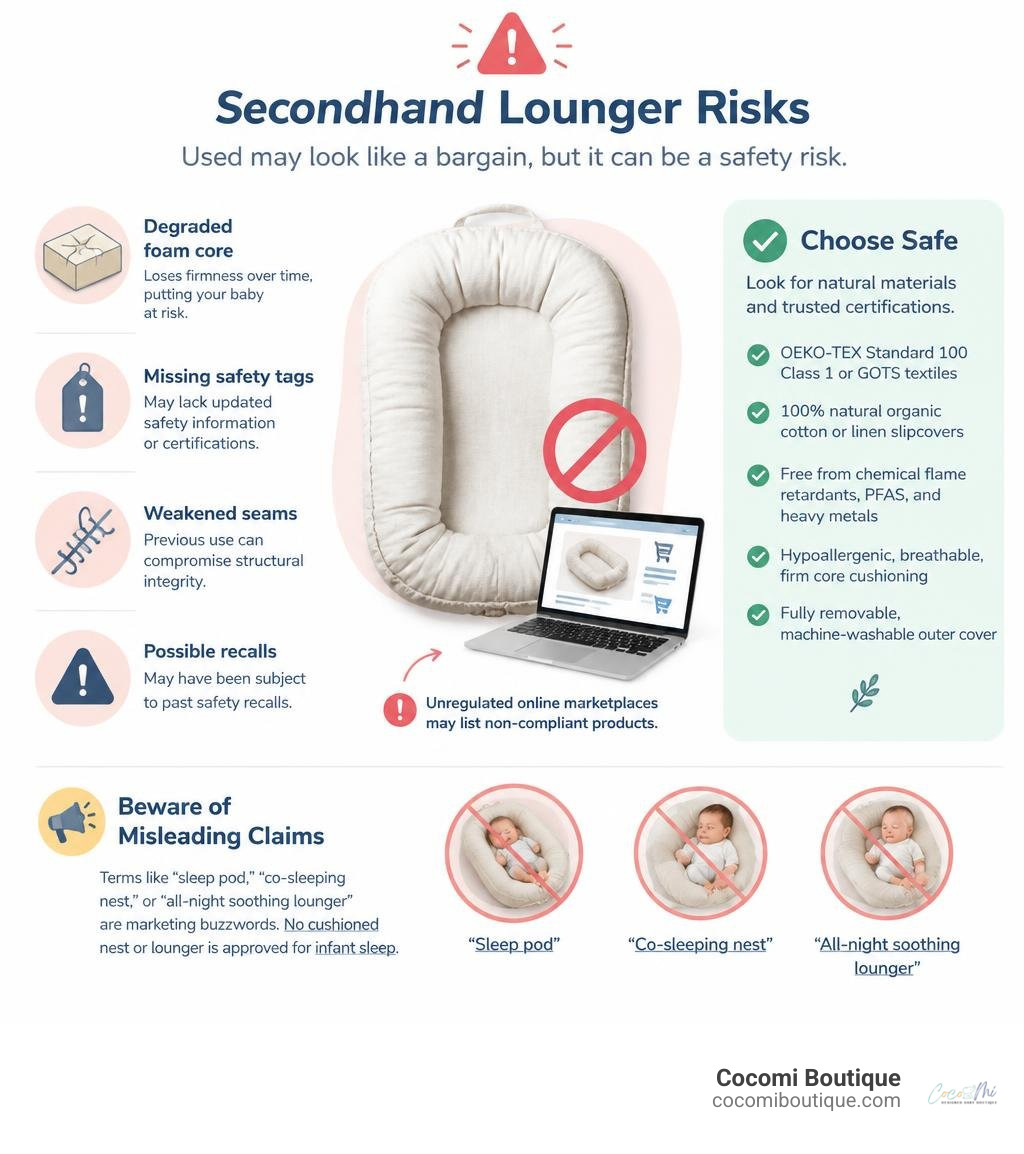
Unregulated third-party online marketplaces also continue to host non-compliant infant cushions imported under unverified brand names. In fact, regulatory bodies removed over 106,000 non-compliant infant product listings in 2026 alone. Parents should purchase infant gear exclusively through reputable boutiques and certified brands that strictly adhere to US and European safety standards.
The Truth About Deceptive Marketing Claims
Marketing phrases such as "sleep pod," "co-sleeping nest," or "all-night soothing lounger" are misleading buzzwords designed to target exhausted parents. Social media imagery often shows babies sleeping peacefully in cushioned nests, reinforcing unsafe sleep habits. No cushioned nest or lounger is approved for infant sleep, regardless of what lifestyle imagery suggests.
Safe Daytime Alternatives for Supervised Awake Time
When parents need a hands-free moment while keeping their baby safe and engaged, consider these approved alternatives:
- Padded Organic Floor Play Mat: Perfect for active movement, kicking, and tummy time on the floor.
- A Handcrafted Moses Basket or Bassinet: Provides a firm, flat dedicated resting space for quiet nursery moments.
- A Standard Bare Crib: The only safe choice when a baby is sleepy or when direct, line-of-sight supervision is not possible.
Frequently Asked Questions About Baby Loungers
What is the primary difference between supervised floor rest and an infant lounger?
Supervised floor rest on a flat mat gives infants complete physical freedom to kick, roll, and build gross motor skills. An infant lounger offers a structured, gently cradled setting designed specifically for calm, supervised awake interactions, storytelling, and visual play.
How can parents identify an infant lounger that meets updated 2026 safety rules?
A compliant lounger features a firm, low-profile base, shallow side walls without plush roll cushions, prominent safety warning tags regarding awake-only use, and a verified manufacturer tracking label. It must never be marketed as a sleeping device.
Why are older or secondhand infant loungers dangerous?
Secondhand loungers often have compressed or softened inner foam that creates suffocation hazards. They may also be subject to past federal recalls, lack essential safety labels, or contain aged synthetic fabrics that have broken down over time. For safe, community-based infant care standards, facilities like Infant Care in Northbrook, IL - Celebree School consistently maintain strict compliance with flat-surface sleep guidelines.
Conclusion
Creating a secure nursery environment is all about mindful choices, certified materials, and safe daily habits. An infant lounger can be a wonderful, cozy addition to your baby's daytime routine—offering a soothing spot for face-to-face connection, sensory play, and gentle bonding whenever your little one is awake and supervised.

At CocoMi Baby Boutique, we handcraft our collections using premium organic fabrics and European OEKO-TEX certified textiles to provide your family with pure, timeless comfort. We invite you to explore our thoughtfully curated nursery essentials and read our educational nursery guides on the CocoMi journal to create an elegant, safe, and nurturing space for your newborn.