

The Best Baby Lounger Beds for Supervised Newborn Comfort
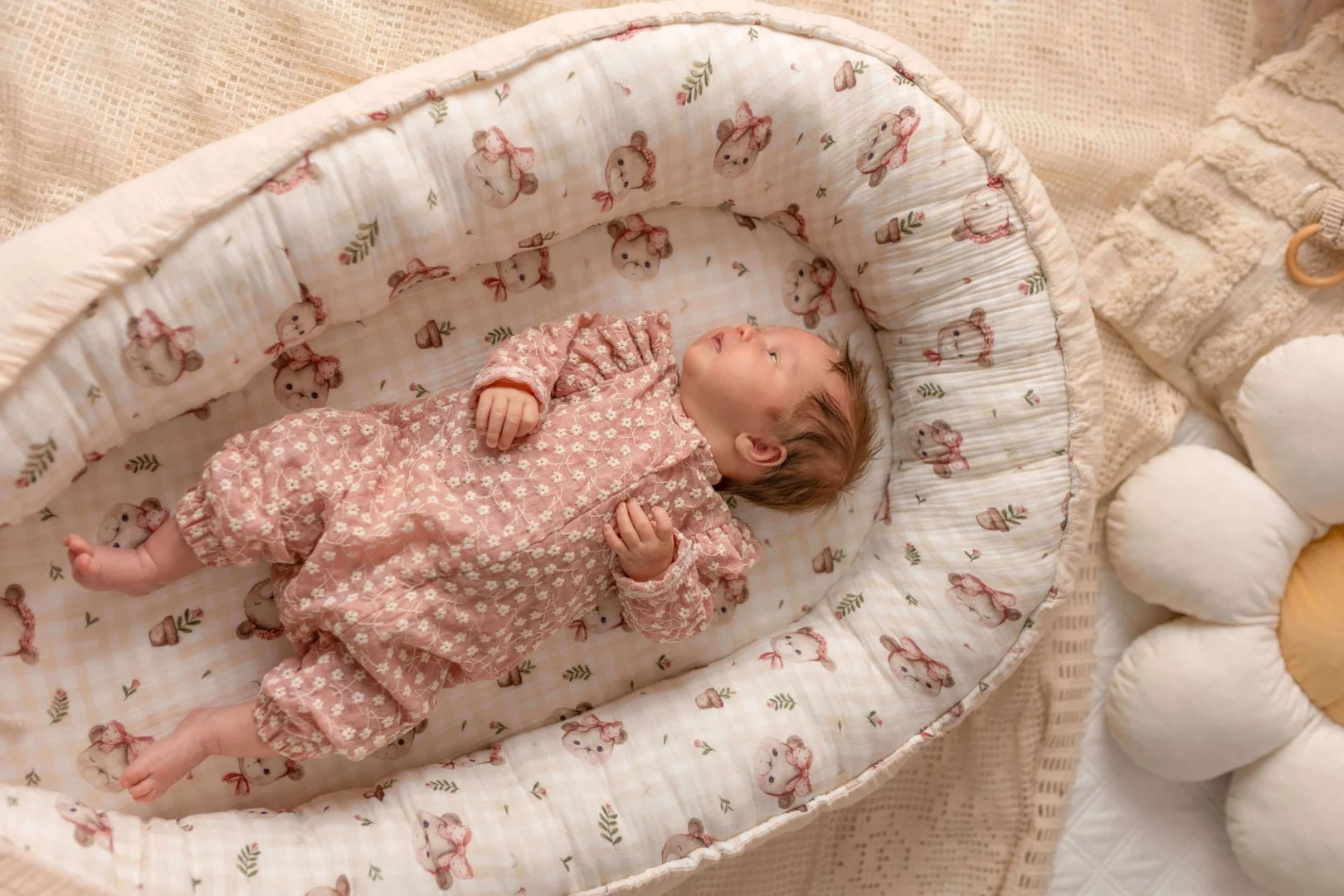
A baby lounger bed is a soft, cushioned infant support designed for supervised awake time only — not for sleep. Here's a quick overview before we dive in:
| Feature | What to Know |
|---|---|
| Safe use | Supervised awake time only — never for sleep |
| Age range | Newborn to ~6–9 months |
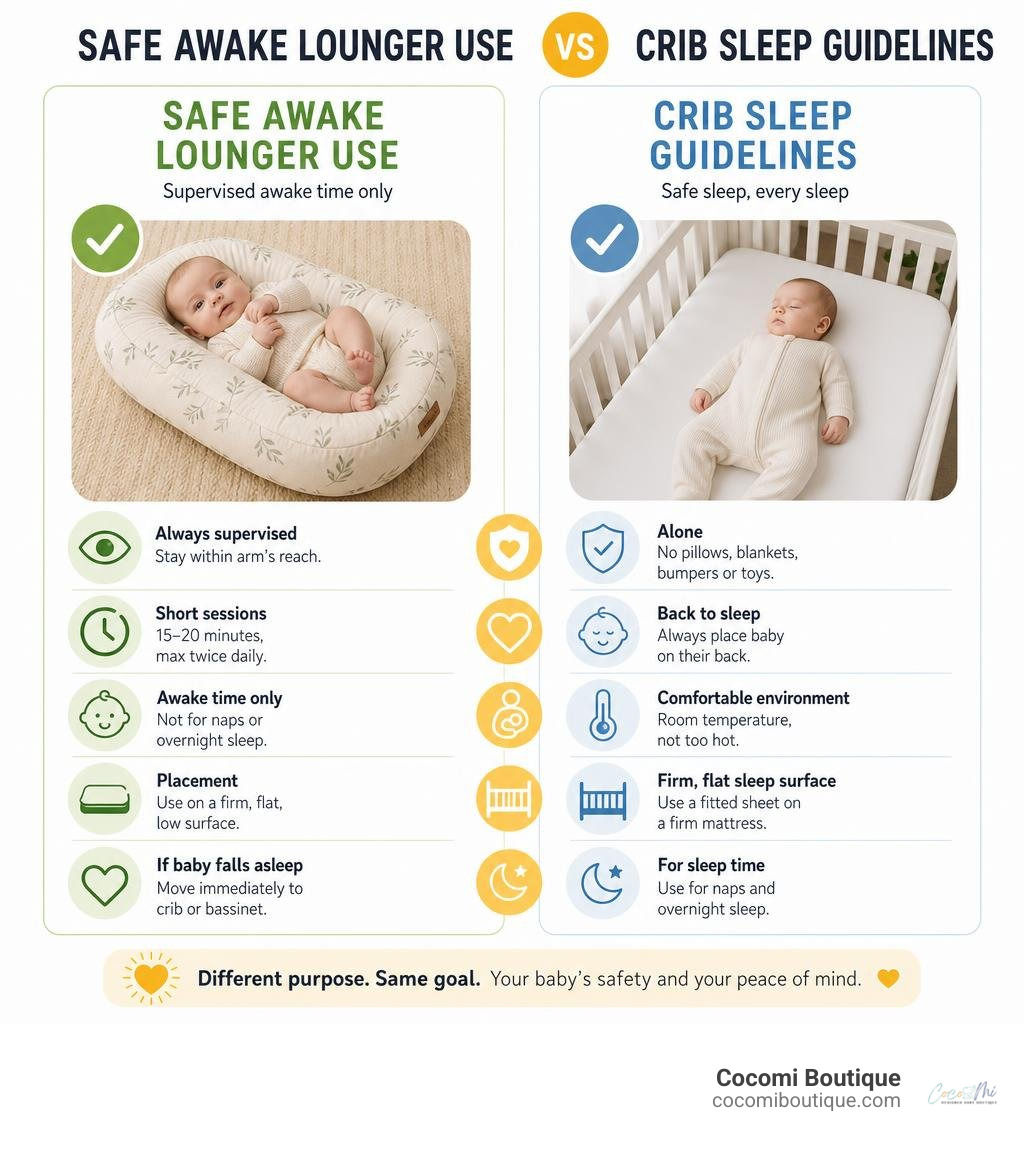
| Session limit | 15–20 minutes, max twice daily |
| Placement | Always on a firm, flat, low surface (floor is best) |
| What to look for | Firm support, OEKO-TEX certified natural materials, CPSC 2025 compliant |
| Baby falls asleep? | Move immediately to a crib or bassinet |
Baby lounger beds are loved by parents for one simple reason: sometimes you genuinely need both hands free. Whether it's washing dishes, answering the door, or taking a five-minute break, a well-made lounger gives your newborn a cozy, contained spot to rest — while you stay close. The challenge is that not all loungers are created equal. Some are beautifully crafted from natural, certified-safe materials. Others cut corners in ways that can put your baby at real risk. Knowing the difference matters.
I'm Monika Jarog, and at Cocomi Boutique I've spent years handcrafting baby nests and newborn essentials from 100% natural, chemical-free materials that meet the highest European safety standards — including the very products we'd trust with our own babies in a baby lounger bed. In this guide, I'll walk you through exactly what to look for so you can shop with confidence.
Baby lounger bed terms you need:
Understanding the Modern Baby Lounger Bed: Safety Standards and Purpose
When welcoming a new baby, having a dedicated space where your little one can relax within arm's reach is invaluable. Modern support cushions serve as an intentional bridge between your arms and the floor. However, understanding their exact purpose is critical to keeping your newborn safe.
A baby lounger bed is intended exclusively for direct awake supervision. It is never a crib substitute, a bedsharing insert, or an unsupervised sleep container. Pediatric safety experts emphasize that infants need plenty of unrestricted movement to develop vital physical skills. When used in brief intervals, a lounger provides cozy physical boundaries, but parents must be mindful of session duration and surface firmness. Check out our detailed Best Baby Lounger Guide for a complete breakdown of design features that support proper posture and play.
Limiting lounger sessions prevents what pediatricians call container baby syndrome — a pattern of developmental and motor delays resulting from prolonged periods in restrictive positioning devices such as car seats, bouncy chairs, and plush cushions. Limiting container time to 15–20 minutes per session, no more than twice daily, ensures your baby receives adequate floor time to stretch, kick, and strengthen their neck and core muscles.
What Is a Baby Lounger Bed and Why Do Parents Love It?
Newborns naturally seek the cozy, enclosed feeling of the womb. A baby lounger bed mimics this comforting boundary with raised outer edges and a soft base plane. For parents managing daily household responsibilities, a lounger delivers reliable hands-free convenience, letting you set your baby down safely nearby while you complete daily tasks.
Whether placed on a rug beside your desk or taken along on family visits, a lightweight support cushion serves as a portable resting spot for supervised floor play. Social media feeds are filled with serene nursery setups highlighting plush baby nests. However, while these images showcase peaceful aesthetics, parents must distinguish between curated online visuals and real-world safe usage guidelines. Explore The Complete Guide to Baby Nests to learn how practical daily utility balances with certified safety standards.
Understanding the Risks: Safe Use of Your Baby Lounger Bed
Understanding the potential safety risks of infant support cushions is essential for every parent. The primary danger associated with soft or inclined loungers is positional asphyxiation and suffocation. When an infant relaxes or falls asleep on a plush surface, their delicate neck can tilt forward, causing chin-to-chest airway obstruction. Because newborns lack the neck strength to lift their heads, this restricted position can quietly compromise breathing.
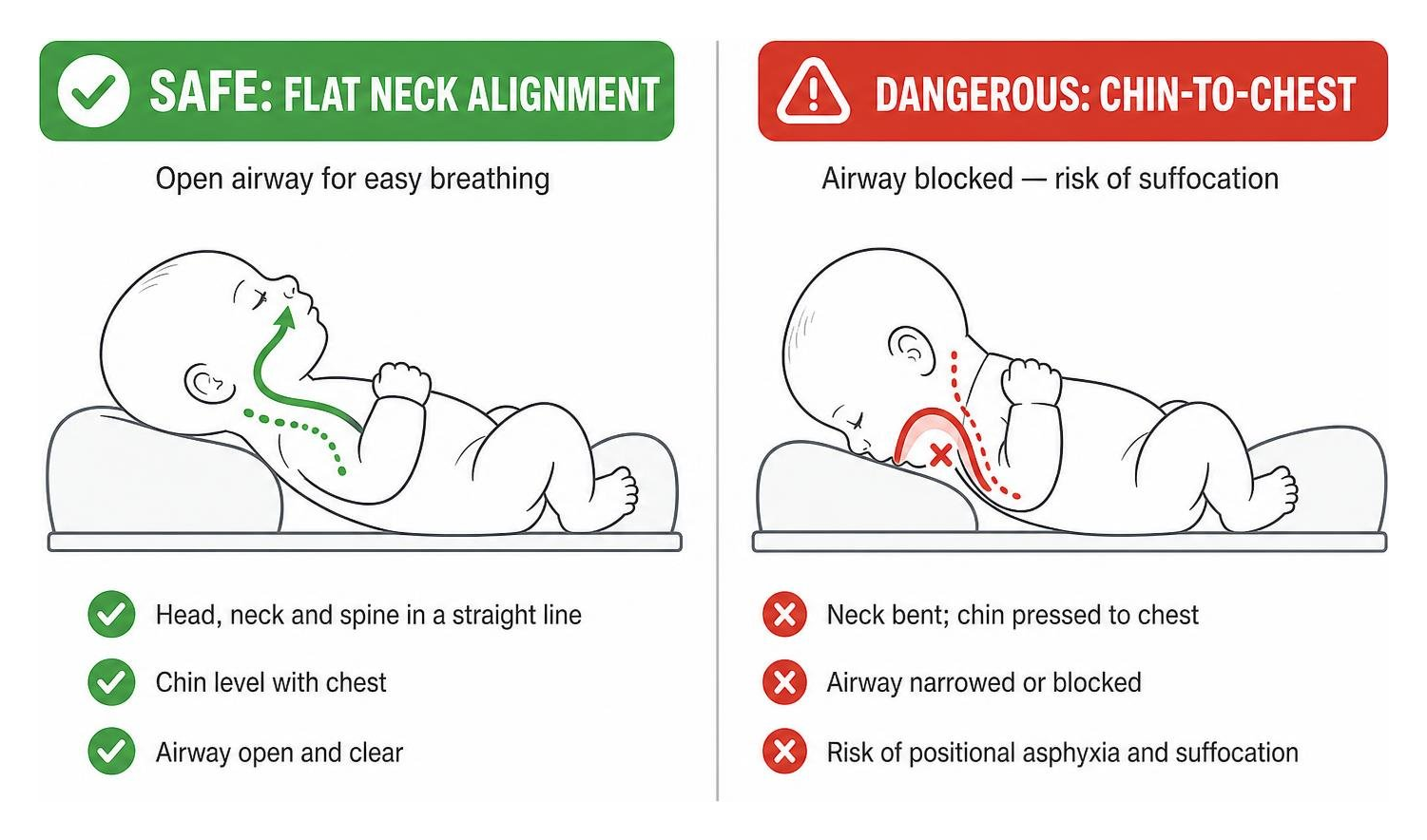
In addition, thick side bolsters can cause carbon dioxide rebreathing if a baby rolls or turns their face directly against the soft padding. To address these hazards, mandatory federal regulations took effect in May 2025 under CPSC standard 16 CFR Part 1243. This standard requires strict limits on surface firmness, lower side boundaries, and prominent warning labels stating the product is never for sleep. For a closer look at these regulatory shifts, read The Truth About Newborn Snuggle Nests.
How to Identify a Compliant vs. Non-Compliant Baby Support Cushion
Navigating the marketplace requires knowing how to separate safe, high-quality products from non-compliant items sold online. In 2025, the CPSC facilitated the removal of a then-record 67,647 listings for dangerous or non-compliant infant products from online platforms. As of 2026, that number has already surpassed 106,000 listings. Staying informed protects your home from uncertified imports that ignore mandatory safety rules.
To verify whether a support cushion complies with 16 CFR Part 1243, check for these clear structural indicators:
- Firm, Flat Base: The center surface must not sag under the baby's weight or compress into deep pockets.
- Low, Angled Walls: Side boundaries must be firm and angled outward to minimize suffocation hazards if face contact occurs.
- Permanent Warning Labels: Legible, stitched-in warnings must state that the product is designed solely for supervised awake time.
- Zero Sleep Marketing: Compliant cushions will never use deceptive phrases like "co-sleeper," "sleeper nest," or "bedsharing pad."
- Breathable Materials: Premium fabrics and fillings should promote air movement and avoid heat entrapment.
For additional safety insights, consult our review of Safest Infant Lounger Insights.
Why Unsafe Recalled Loungers Still Circulate Online and Secondhand
Despite clear regulatory standards, unsafe and recalled loungers continue to circulate online and through secondhand channels. In February 2026, another infant death involving an non-compliant baby lounger was reported to authorities, following three reported deaths in 2025. Unregulated products manufactured prior to mandatory rules or imported directly from overseas often evade screening algorithms on open marketplaces.
Legacy inventory and secondhand sales at consignment shops, yard sales, or social media groups also keep recalled products in circulation. Many well-meaning parents hand down older loungers, unaware that past design standards are now recognized as unsafe.
Smart Shopping Tips for Online Baby Gear
When purchasing gear online for your nursery, shop directly with established brands that prioritize safety compliance, natural construction, and complete transparency. Verify retailer credentials and confirm that products carry recognized quality certifications.
Look for OEKO-TEX Standard 100 certification, which guarantees that every thread, fabric, and dye has been tested and certified free from harmful chemicals, heavy metals, and synthetic fire retardants. Before buying secondhand, always cross-reference the product model against the CPSC national recall database. Whether browsing local Chicago boutique shops or ordering online for delivery, prioritizing certified safety ensures complete peace of mind.
Top-Rated Natural Baby Loungers and Nests for Supervised Comfort
At Cocomi Boutique, we believe your baby deserves pure, gentle materials that protect tender skin without introducing synthetic chemicals. Our handcrafted baby nests are made from 100% natural organic cotton, featuring OEKO-TEX certified fabrics and hypoallergenic, chemical-free fillings. Designed with European craftsmanship, our nests offer firm, flat support combined with breathable comfort. Read The Ultimate Guide to Choosing the Perfect Baby Nest to discover how natural textiles create a safer resting environment.
| Feature / Model | Handcrafted Organic Cotton Infant Nest | Portable Scandinavian Style Newborn Nest |
|---|---|---|
| Primary Fabric | 100% Organic Cotton (OEKO-TEX Class 1) | Premium Washed Cotton & Linen Blend |
| Base Surface | Firm, flat ergonomic support mattress | Rigid protective travel base insert |
| Edge Boundary | Hand-stuffed hypoallergenic fiber bolster | Low-profile firm side walls |
| Portability | Integrated soft carry straps | Lightweight handles with travel buckle |
| Best For | Daily lounge sessions & tummy time | Travel, home mobility, & floor play |
Premium Handcrafted Organic Cotton Infant Nest
Our flagship handcrafted organic cotton nest combines timeless European styling with functional firmness. Built with an ergonomic base mattress, it prevents deep sinking while keeping your newborn comfortable during supervised play.

Every detail — from the hand-stitched seams to the breathable, non-toxic filling — reflects our commitment to quality. The luxury neutral aesthetic fits seamlessly into any modern nursery, offering an organic alternative to mass-produced synthetic loungers.
Portable Scandinavian Style Newborn Nest
Designed for active families, our Scandinavian style newborn nest provides exceptional portability without compromising safety. Featuring durable carry handles and a removable, washable outer cover, this nest makes moving from room to room effortless.
Its firm travel base ensures consistent support whether placed on a living room rug or brought along to family gatherings. Explore our full Portable Infant Lounger Guide for practical advice on keeping your baby comfortable on the go.
Safe Sleep Standards, Parental Fatigue, and Safe Alternatives
Navigating sleep as a new parent can be challenging. According to survey data, 25% of parents admitted to using a baby lounger at least once during night sleep or bedsharing, while another 15% seriously considered it due to sheer exhaustion. When sleep-deprived at 3 a.m., soft lounge cushions can appear to offer a convenient solution.
However, health organizations universally emphasize the ABCs of safe infant sleep: Alone, on their Back, in a clear Crib or bassinet with a firm, flat mattress and fitted sheet. Deceptive marketing and curated social media trends often obscure these guidelines. For an honest look at creating a secure nursery layout, review Crib or Nest Navigating Safe Sleep.

What to Do If Your Baby Falls Asleep in a Support Cushion
It is completely normal for a relaxing newborn to drift off during a lounge session. If your baby falls asleep in a support cushion, follow this simple procedure:
- Gently Lift Your Infant: Place one hand beneath their head and neck, supporting their lower back with your other hand.
- Transfer Immediately: Move your baby directly to an approved sleep space — a crib, bassinet, or play yard.
- Verify Sleep Surface: Ensure the mattress is firm, flat, and completely clear of pillows, loose blankets, stuffed animals, or soft bumpers.
- Position on Back: Always lay your baby flat on their back to keep their airway open and clear.
Safe Bedsharing and Supervised Floor Play Alternatives
If you prefer keeping your newborn right beside you during daytime rest, there are wonderful, safe alternatives available. Handcrafted Moses baskets with firm, flat bases offer a structured option for supervised daytime resting. For floor activities, layering a soft organic baby blanket over a carpeted floor creates an ideal space for free kicking, tummy time, and interaction.
If you are planning nursery essentials or organizing a registry event — perhaps exploring local Baby shower venues in Prospect Heights, IL — focus on certified, natural items that prioritize safety. When shopping for nursery essentials in the Northbrook area or ordering online, selecting compliant gear keeps your home safe and beautiful.
Frequently Asked Questions About Baby Support Cushions
Can an infant sleep in a lounger if directly supervised?
No. Direct supervision does not eliminate the risk of positional asphyxiation or airway obstruction when an infant is on a soft or inclined cushion. Positional asphyxiation occurs silently and quickly without physical struggle or noise. If your baby falls asleep, move them immediately to a firm, flat crib or bassinet.
How long can a baby stay in a lounger per day?
Pediatric physical therapists recommend limiting sessions in restrictive containers — including loungers, bouncers, and car seats — to 15–20 minutes at a time, no more than twice per day. Balancing container time with plenty of unrestricted floor play and tummy time encourages proper motor development, neck strength, and head shape.
What is the 2025 CPSC safety standard for baby support cushions?
The mandatory CPSC standard (16 CFR Part 1243), implemented in May 2025, requires all infant support cushions and loungers to meet strict requirements:
- High surface firmness to prevent sinking and face-blockage hazards.
- Flat surface planes that prevent slumping or chin-to-chest positioning.
- Low, outward-angled side boundaries to reduce suffocation risks.
- Permanent, visible warning labels specifying the product is strictly for supervised awake time.
Conclusion
Finding the ideal baby lounger bed comes down to understanding its true purpose: providing a cozy, comfortable spot for supervised awake play while keeping your infant close by. By selecting products built from 100% natural, chemical-free materials that comply with CPSC standards and feature OEKO-TEX certifications, you protect your baby's delicate health and support their daily development.
At Cocomi Boutique, our handcrafted baby nests, Moses baskets, and organic nursery accessories combine European craftsmanship with uncompromising safety. Explore our online store today to find luxury essentials designed with love, care, and quality for your growing family.