

Understanding Baby Nest Safety: What Every Parent Needs to Know
Sleep nests safe is a critical question for new parents. While these cozy products are popular, health authorities have serious concerns. Here's what you need to know:
Are Sleep Nests Safe for Baby Sleep?
- No - Health Canada and other safety organizations warn against using baby nests for unsupervised sleep.
- Suffocation Risk - The soft, padded sides can obstruct a baby's breathing.
- No Safety Standards - Baby nests lack mandatory safety regulations, unlike cribs and bassinets.
- Awake Time Only - Nests should only be used for supervised activities, never for sleep.
Baby nests, also known as pods or cocoons, are portable cushions with raised sides. Their popularity on social media is high, but their soft design poses a significant safety risk. The fundamental rule for infant sleep is a firm, flat surface. A baby's head is heavy, and if they roll against soft padding, they may not be able to lift their head to breathe. Health Canada explicitly states that "the soft, padded sides of baby nests pose a suffocation risk."
At Cocomi Boutique, we believe in helping parents understand evidence-based safety guidelines. The most important question isn't about a product's comfort, but whether it meets safety standards for infant sleep.
Why Health Authorities Question if Sleep Nests are Safe
The cozy appeal of baby nests is undeniable, but their key features are what make health authorities concerned.
Health Canada and The Lullaby Trust in the UK have issued explicit warnings, stating these products do not meet safe sleep guidelines because they are not firm and flat. The primary dangers are suffocation, overheating, and re-breathing carbon dioxide.
Newborns have limited head and neck control. If a baby's face presses against the soft, padded sides of a nest, their breathing can be blocked. The snug design can also trap heat, increasing the risk of Sudden Infant Death Syndrome (SIDS). Furthermore, in a confined space, a baby might re-breathe exhaled air, leading to a dangerous buildup of CO2.
While there are no specific studies proving baby nests cause SIDS, the warnings are based on decades of research into known sleep dangers like soft surfaces. Authorities are applying established safety principles to prevent potential tragedies.
The Dangers of Soft, Padded Sides
The soft, padded sides are the biggest problem. A newborn's head is disproportionately heavy. If they roll and their face presses against a soft surface, they may lack the strength to clear their airway, leading to positional asphyxiation. This is why Health Canada warns that "the soft, padded sides of baby nests pose a suffocation risk." The soft material can mold around a baby's face, blocking their nose and mouth silently.
The mattress inside a nest is also often too soft. Research from the American Academy of Pediatrics links soft mattresses to a significantly increased SIDS risk. Safe sleep requires a firm, flat surface, free from any soft additions.
The Verdict on Using Nests for Co-Sleeping: Are sleep nests safe in an adult bed?
Some parents hope a nest makes bed-sharing safer, but this is a dangerous misconception. Health Canada explicitly warns against using baby nests for bed sharing. An adult bed contains hazards like soft mattresses, pillows, and duvets that can still pose a threat. An adult can roll onto the nest, or a baby can become trapped between the nest and the bed structure.
The risk of sleep-related infant death is much higher when sharing a sleep surface. Tragically, infant deaths have occurred even when a baby was in a nest in the parents' bed. A nest can create a false sense of security, leading parents to overlook the inherent dangers of bed-sharing.
Health Canada's Official Warning
Health Canada's warning is unequivocal. Here are the key takeaways from their official statement:
- The soft, padded sides of baby nests pose a direct suffocation risk.
- Babies should never be left unsupervised in baby nests.
- Baby nests should never be placed inside a crib, bassinet, or playpen. Placing a nest in a safe sleep space compromises its safety by introducing soft, hazardous items.
The Gold Standard: Creating a Safe Sleep Environment
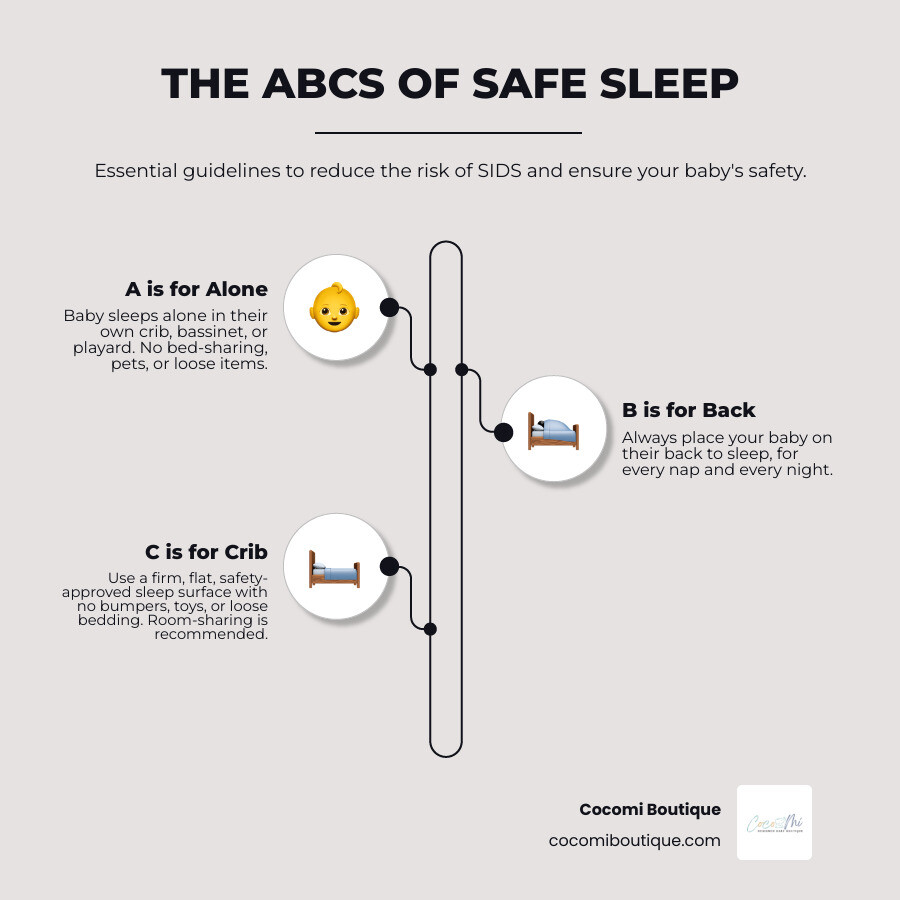
So, what is the safe alternative to a baby nest? The answer is simple: a regulated sleep product designed for unsupervised infant sleep. The safest place for your baby is alone, on their back, on a firm, flat surface.

Cribs, Bassinets, and Playards: These products must meet strict federal safety regulations. They provide a firm mattress and have sturdy or breathable mesh sides. When buying a crib, choose a new model to ensure it meets current standards.
A Firm, Flat Surface: This is non-negotiable. Soft surfaces increase suffocation risk because they can conform to a baby's face.
An Empty Sleep Space: A safe crib contains nothing but a firm mattress and a fitted sheet. This means no loose bedding, no bumpers, and no toys. To keep your baby warm, use a sleep sack or a safe swaddle. Our Ultimate Guide to Safe Swaddling for Newborns can help.
Room-Sharing: Placing your baby's crib or bassinet in your room for the first six to twelve months can reduce the risk of SIDS by up to 50%. This allows for close monitoring without the dangers of bed-sharing.
[TABLE] comparing Baby Nests vs. Safety-Approved Sleep Surfaces
Here's how baby nests stack up against safety-approved sleep surfaces:
| Feature | Baby Nest | Crib/Bassinet/Playard |
|---|---|---|
| Firmness | Often soft, padded, or contoured | Firm, flat mattress |
| Side Walls | Soft, padded, or squishy | Rigid, sturdy, or breathable mesh |
| Safety Standards | None mandatory; unregulated | Meets federal/Canadian mandatory regulations |
| Recommended Use | Supervised awake time only | Unsupervised sleep (day and night) |
Why Inclined and Soft Products are Banned or Discouraged
Many other baby products that seem convenient are also unsafe for sleep. The primary danger is positional asphyxiation, where a baby's head slumps forward, compressing their airway.
Inclined Sleepers: These have been linked to dozens of infant deaths and are now prohibited for sale in the U.S. The incline can cause a baby's head to fall forward, cutting off their breathing.
Rockers, Swings, and Bouncers: These are great for supervised awake time, but not for sleep. The CPSC has warned about deaths linked to infant rockers. If your baby falls asleep in one, move them to a flat, safe sleep surface.
Car Seats: While safe for travel, car seats are not for extended sleep outside of a vehicle. The semi-inclined position can compromise a baby's airway. Transfer your sleeping baby to a crib or bassinet upon arrival.
Convenience should never outweigh safety. A firm, flat surface in a regulated sleep product is the only proven way to ensure a safe sleep environment.
How to Use a Baby Nest Safely (For Awake Time Only)
Given the significant risks, we strongly advise against using baby nests for any type of sleep. However, if you choose to use one, it must be only for awake time and under constant, direct supervision.
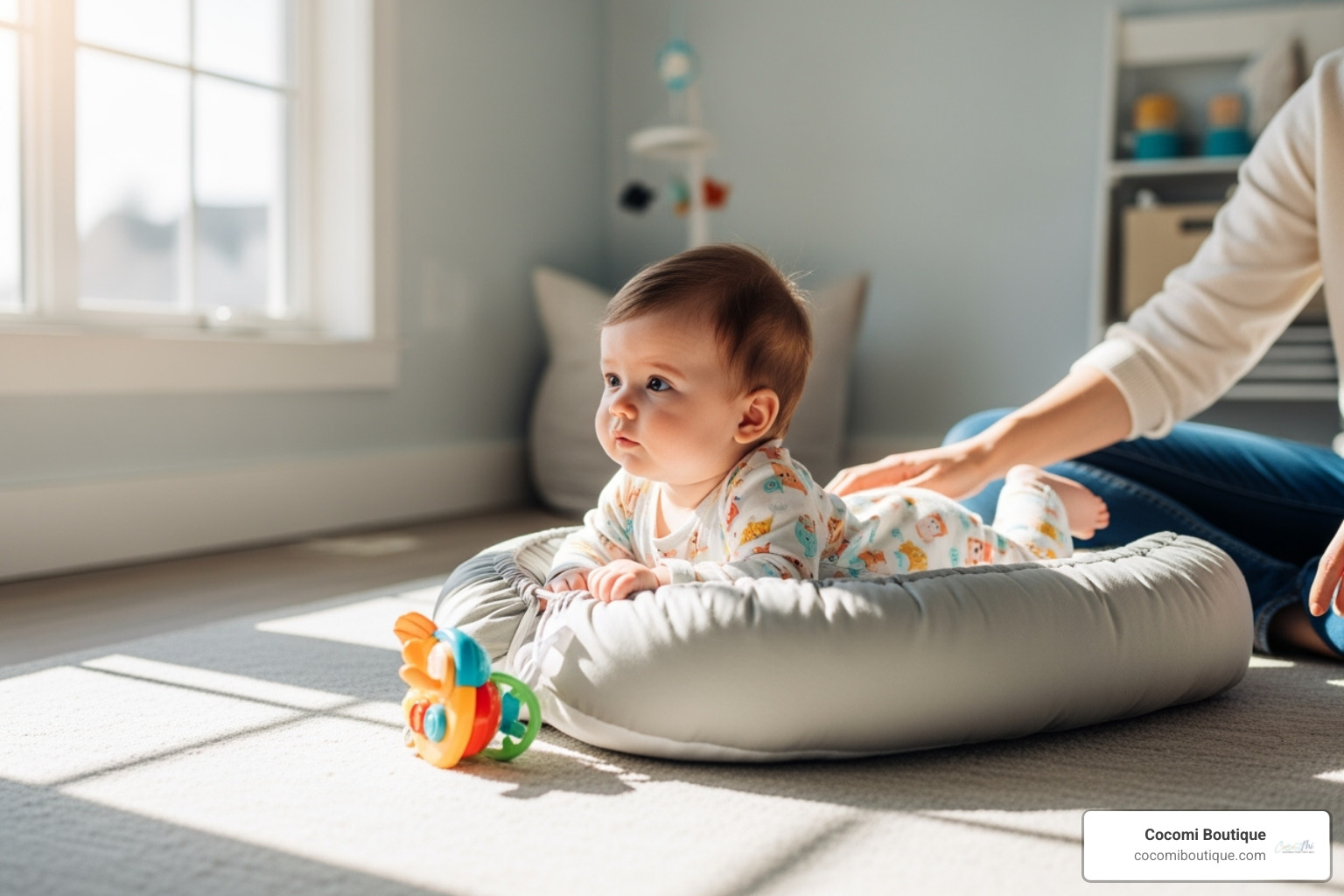
Never leave your baby unattended in a nest, even for a moment. You must be in the same room, actively watching. A nest can be a handy spot for supervised activities like tummy time, a contained space for diaper changes, or a cozy spot for your baby to lounge while you are nearby. For safety, always place the nest on the floor, never on a raised surface like a bed or couch.
Be mindful of sleep associations. If your baby gets too used to the nest's enclosed feeling, they may struggle to sleep in their open crib. It's best to rotate different safe spaces for awake time, like a playmat or a soft blanket on the floor. Our organic cotton muslin baby blankets are perfect for creating a cozy and safe play area.
Are there any designs that make sleep nests safe?
Many newer nests feature breathable mesh or firmer sides, but this does not make them safe for sleep. The core issue is the lack of regulation. Unlike cribs, baby nests have no official safety standards for unsupervised sleep. Claims of "breathability" have not been scientifically proven to reduce SIDS risk, and the FDA has not approved any product to prevent SIDS.
Remember the distinction: "safer" is not the same as "safe." An enclosed, soft-sided design still poses risks that a regulated crib does not. Until mandatory safety certifications for sleep exist, it's best to be cautious.
Cleaning and Maintenance for Hygiene
If using a nest for awake time, cleanliness is key. Most have removable, washable covers; always follow the manufacturer's washing instructions. Before each use, check for damage like rips or loose stitching. For hygiene and safety reasons, we recommend avoiding secondhand nests, as you cannot know their history or if they harbor bacteria.
Frequently Asked Questions about Baby Nests and Sleep Safety
We know navigating baby sleep safety can feel overwhelming. Let's address some of the most common questions about whether sleep nests safe for babies.
What is the main difference between a baby nest and a bassinet?
A bassinet is a regulated product designed and tested for safe, unsupervised infant sleep. It has a firm, flat mattress and rigid or mesh sides that meet federal safety standards. A baby nest is an unregulated accessory with soft, padded sides. Health authorities do not recommend nests for sleep due to suffocation risks and the lack of safety standards.
Can I use a baby nest inside a crib?
No. Health Canada explicitly warns against this. A crib is safe because it is empty. Placing a nest inside introduces soft bedding, padded sides, and entrapment gaps, all of which are serious suffocation hazards. A safe crib should only contain a firm mattress and a fitted sheet.
My baby seems to sleep better in a nest. What should I do?
This is a common concern, but it's important to prioritize safety. While a nest might feel cozier, very deep sleep can increase SIDS risk in young infants, as normal, frequent waking is a protective mechanism. Instead of using a nest for sleep, focus on creating a comforting routine in a safe sleep space.
- Use a safe swaddle for newborns or a sleep sack for older babies to provide a snug feeling without loose blankets. Our guide to safe swaddling can help.
- Establish a consistent bedtime routine to help your baby associate their crib with sleep.
- Reserve the nest for supervised awake time only to prevent sleep dependency.
For more on this topic, read our article on newborn snuggle nests. Your baby will adjust to their safe sleep space, giving you both peace of mind.
Conclusion: Prioritizing Safety Over Style
While baby nests look cozy, the consensus from health authorities is clear: they are not safe for infant sleep. The very features that make them appealing—the soft, padded sides and enclosed design—create serious risks of suffocation and overheating.
The gold standard for safe sleep remains simple and non-negotiable: the ABCs. Your baby should sleep Alone, on their Back, in a Crib (or other regulated sleep space) that is completely empty aside from a fitted sheet. This evidence-based practice is the best way to protect your child.
At Cocomi Boutique, our commitment to families means providing honest safety information. We believe in equipping parents in Northbrook, Chicago, and beyond with the knowledge to make the safest choices. True comfort comes from knowing your baby is protected.
If you use a baby nest, reserve it strictly for supervised awake time on the floor. When it's time for sleep, always move your baby to their crib or bassinet. By choosing safety over style and evidence over trends, you are making the most loving choice for your little one.
For more parenting tips and guides on making informed choices for your family, we invite you to explore our blog. We're here to support you on this beautiful journey.