

Why the Right Infant Blankets Matter From Day One

Infant blankets are one of the most-used items in your baby's first years — and one of the most important to get right.
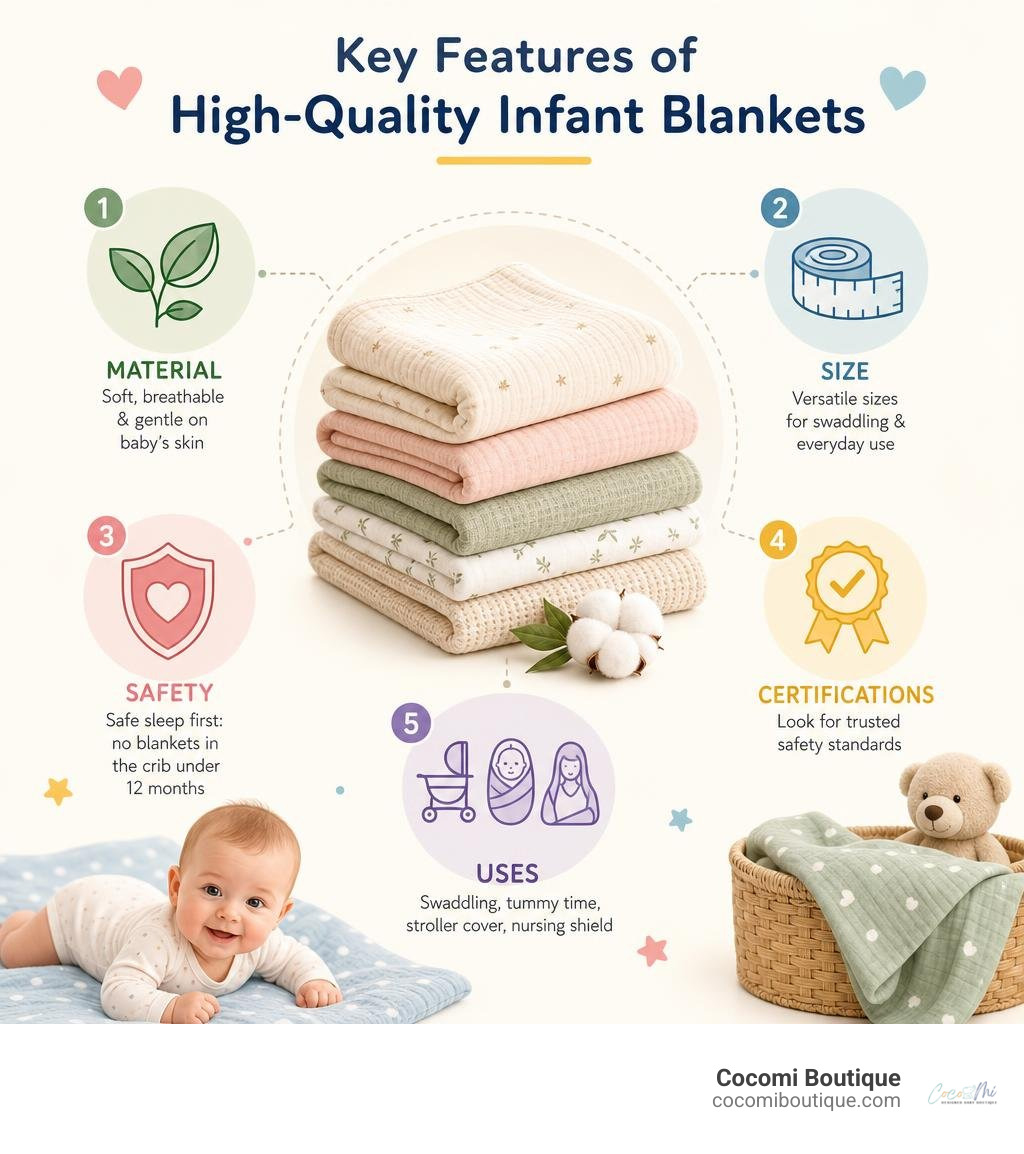
Quick answer: What to look for in infant blankets
| Feature | What to look for |
|---|---|
| Material | Organic cotton muslin, bamboo viscose, or OEKO-TEX certified blends |
| Size | ~30" x 36" for everyday use; 47" x 47" for swaddling |
| Safety | No blankets in the crib under 12 months (AAP guideline) |
| Certifications | GOTS, OEKO-TEX Standard 100, or CPSIA compliant |
| Uses | Swaddling, tummy time, stroller cover, nursing shield |
| How many | 3–5 blankets for comfortable rotation |
| Skin | Hypoallergenic, chemical-free fabrics for sensitive or eczema-prone skin |
Finding the right blanket goes beyond picking something soft. Material, size, safety standards, and how you plan to use it all play a role — whether you're wrapping a newborn, heading out for a stroller walk, or setting up a tummy time session on the floor.
The options can feel overwhelming. Muslin swaddles, minky security blankets, quilted multi-layer options, bamboo blends — each serves a different purpose and stage of your baby's development.
This guide cuts through the noise. You'll find everything you need to choose premium, safe, and beautifully crafted infant blankets with confidence.
I'm Monika Jarog, and I've spent years designing handcrafted baby essentials — including infant blankets made from 100% natural, chemical-free materials that meet the highest European safety standards. My experience with organic fabrics, safe sleep products, and premium nursery design is what shapes every recommendation in this guide.
Simple guide to infant blankets terms:
Choosing the Best Materials for Premium Infant Blankets
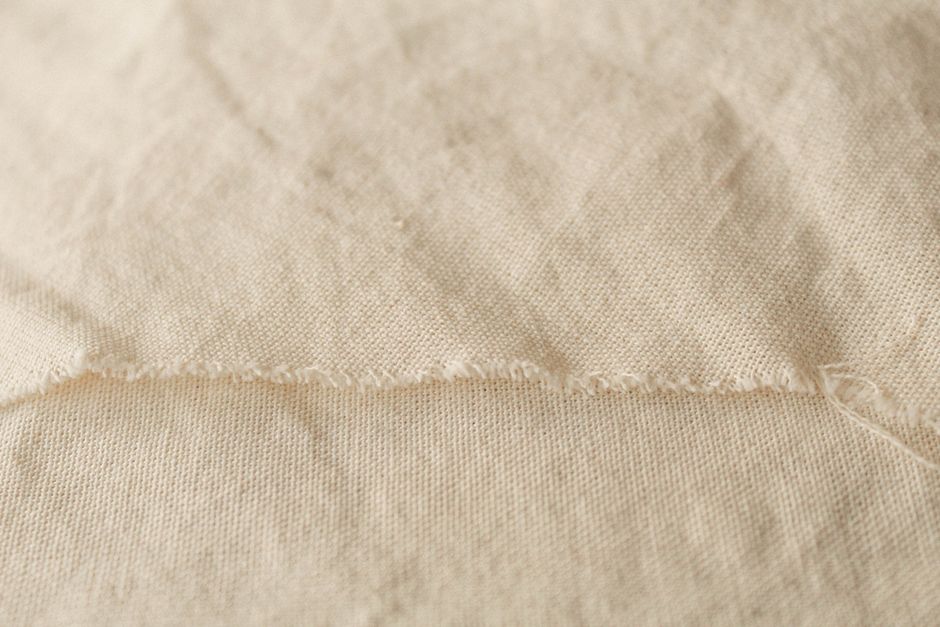
When selecting the perfect infant blankets, the material is the single most critical factor to consider. A newborn's skin is incredibly thin, delicate, and highly permeable, meaning that whatever touches their skin should be pure, chemical-free, and exceptionally gentle.
Beyond tactile softness, fabric selection directly impacts temperature regulation. Because infants cannot regulate their own body temperature the way adults do, they are highly susceptible to overheating—a known risk factor for sleep-related issues. The ideal baby blanket must offer breathability, allowing heat to escape while keeping your little one cozy.
For families in our local communities around Northbrook, IL, and the wider Chicago North Shore, choosing premium fabrics that adapt to hot Illinois summers and freezing Midwest winters is essential for year-round comfort.
The Magic of Organic Cotton Muslin
For generations, cotton muslin has been revered as the gold standard for infant care. When sourced as GOTS-certified organic cotton, this fabric represents the ultimate combination of luxury, safety, and ecological responsibility.
The secret to muslin’s legendary performance lies in its open, plain weave. This unique construction features tiny spaces between the threads, creating a highly breathable airflow system. This structure allows body heat to naturally dissipate, reducing the risk of overheating.
Furthermore, organic cotton muslin is incredibly durable. Rather than wearing out after repeated trips to the washing machine, high-quality muslin actually becomes softer and more pliable with every single wash. For parents who want to understand this material deeply, our Muslin Explained: From Weave to Wonder - A Fabric Deep Dive explores the rich history and craftsmanship behind this exceptional weave.
When shopping for everyday premium options, many parents appreciate multi-layered designs. These utilize three interlaced layers of cotton muslin, providing a thicker, pillowy feel that remains beautifully breathable.
For a complete look at how organic cotton protects your baby, check out our guide on Organic Cotton Baby Blankets and learn why we always recommend GOTS-certified materials in The Ultimate Guide to Cotton Muslin Baby Blankets: Softness & Safety.
Silky Soft Bamboo Viscose and Rayon Blends
For parents seeking an almost fluid, silky drape, bamboo viscose and premium rayon blends are incredibly popular. Derived from natural bamboo pulp, these fabrics are celebrated for their natural hypoallergenic properties and exceptional moisture-wicking capabilities.
Bamboo viscose naturally pulls moisture away from your baby's skin, making it an excellent choice for warmer seasons or for babies who tend to sweat during rest. It feels cool to the touch, yet insulates beautifully when layered, making it highly versatile.
Because bamboo fibers are naturally smooth and round with no sharp spurs to irritate the skin, they are highly recommended for infants struggling with eczema or highly sensitive skin.
You can read more about how this material compares to traditional cotton in our Bamboo Muslin Blanket Complete Guide. Whether you prefer a pure bamboo weave or a durable rayon blend, these blankets provide a luxurious, comforting weight that mimics a gentle hug.
Understanding Different Types and Sizes of Baby Blankets
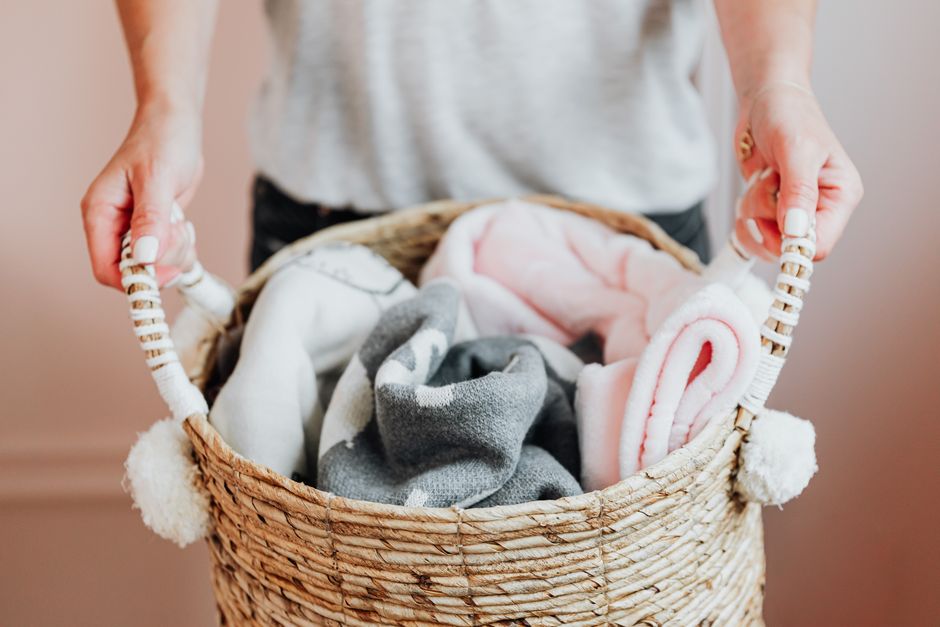
Step into any nursery boutique from Glenview to Highland Park, and you will quickly realize that "baby blanket" is an umbrella term for several distinct products. Each style is engineered with a specific size, weight, and purpose in mind.
To help you curate the perfect nursery collection, let's break down the primary types of blankets you will encounter. You can also explore our comprehensive guide on From Cuddles to Comfort: Finding the Perfect Newborn Blanket for more styling and selection tips.
Sizing Guide for Luxury Infant Blankets
To make the selection process simple, we have put together a comparison table detailing the most common types of baby blankets, their typical dimensions, and their primary uses:
| Blanket Type | Typical Dimensions | Key Features & Best Uses |
|---|---|---|
| Receiving Blanket | 30" x 30" to 30" x 36" | Lightweight, versatile multitasker; ideal for burping, clean surfaces, and light layering. |
| Swaddle Blanket | 45" x 45" to 47" x 47" | Large, square, and single-layered with natural stretch; designed to securely wrap newborns. |
| Security Blanket / Lovey | 12" x 12" to 15" x 15" | Miniature size, often attached to a plush animal head; designed for self-soothing and travel. |
| Mini / Stroller Blanket | 30" x 40" | Mid-sized, durable, and wind-resistant; perfect for car seats, strollers, and outdoor outings. |
| Multi-Layer Quilt | 43" x 43" to 45" x 45" | Heavyweight, multi-layered (often 4 to 6 layers); perfect for tummy time padding and toddler beds. |
Receiving Blankets
Historically, a receiving blanket was the very first blanket used to wrap a newborn after delivery. In fact, almost every American baby born in the last several decades has been wrapped in the same iconic striped hospital blanket, produced by a medical supply company based right here in northern Illinois. You can read about this fascinating piece of local history in Everyone has probably been swaddled in this baby blanket .
Typically measuring around 30" x 36", receiving blankets are lightweight, thin, and highly versatile. They are the ultimate nursery workhorse, perfect for draping over your shoulder during burping, laying down as a clean barrier on a public changing table, or wrapping a newborn in a light layer.
Swaddle Blankets
Swaddle blankets are larger than receiving blankets, typically measuring a generous 47" x 47" (such as the classic organic cotton swaddles by premium boutiques). This extra fabric is essential for executing a secure, snug swaddle that won't easily unravel as your baby moves.
Swaddles are traditionally made from a single layer of lightweight, open-weave muslin or stretchy ribbed knit cotton. The generous size makes them incredibly useful long after your baby has outgrown the swaddling stage. Discover more styling ideas in our Muslin Baby Blanket Complete Guide and explore gorgeous options in our Gender Neutral Baby Blankets Guide.
Security Blankets and Loveys
A security blanket is a miniature comfort item designed specifically for tiny hands to hold. Often measuring around 12" x 12", these blankets frequently feature sensory details like satin borders, ribbed textures, or a small plush animal head attached to the center (often referred to as an animal lovey).
These blankets are not intended for warmth; instead, they serve as emotional transition objects, helping babies and toddlers learn to self-soothe during car rides, transitions, or stroller walks.
Stroller and Travel Blankets
Typically measuring 30" x 40", stroller blankets are designed to be durable, warm, and compact enough not to get caught in stroller wheels. High-quality stroller blankets feature a robust cotton-blend weave or luxurious ribbed knit options. These blankets are designed to withstand wind and outdoor elements while keeping your baby perfectly cozy on the go.
Multi-Layer Crib Quilts
For older babies and toddlers, a multi-layer quilt offers the perfect combination of warmth and cushioned comfort. Typically measuring around 43" x 43" with a 4-layer or 6-layer construction, these blankets provide a wonderful, weighted feel. They are perfect for transitioning to a toddler bed or for use as a cushioned play mat on hardwood floors. Learn more about choosing thicker blankets in our guide on the Best Organic Cotton Muslin Blanket Thicker Than Swaddle.
Versatile Uses: From Swaddling to Stroller Outings
A premium infant blanket is rarely used for just one task. In fact, a single high-quality swaddle can wear many hats throughout a single day:
- The Perfect Swaddle: During the first three months, proper swaddling mimics the cozy, secure environment of the womb, helping to suppress the startle (Moro) reflex and promote deeper, longer sleep.
- The On-the-Go Stroller Cover: Draped over the canopy of your stroller, a breathable muslin blanket protects your little one from bright sunshine, light wind, and sensory overload during busy outings.
- The Instant Nursing Shield: If you prefer privacy while nursing on the go, a lightweight blanket can be easily tucked around your neck to create a breathable, private cover. For more details on this, see our article on the Baby Feeding Muslin Blanket.
- The Clean Play Surface: Laying down a clean, soft blanket on the grass at a park in Winnetka or on the rug of a playroom in Buffalo Grove creates an instant, hygienic space for your baby to stretch and play. Dive deeper into these creative applications with Muslin Magic: Unlocking All the Uses for Your Baby's Favorite Blanket.
Safe Sleep Guidelines and Milestone Activities
As beautiful and cozy as premium infant blankets are, safety must always come first. Understanding when and how to use blankets safely is one of the most important responsibilities of parenthood.
Pediatric Guidelines for Safe Sleep
The American Academy of Pediatrics (AAP) maintains clear, evidence-based guidelines regarding infant sleep environments. To reduce the risk of Sudden Infant Death Syndrome (SIDS) and accidental suffocation, the AAP advises that it is unsafe for infants under 1 year old to sleep with blankets, pillows, bumper pads, or soft toys in their sleep space.
For the first 12 months, your baby’s crib or bassinet should remain completely bare. The safest way to keep your newborn warm during sleep is to use a fitted swaddle (for babies who cannot yet roll over) or a wearable sleep sack.
Once your baby exhibits any signs of attempting to roll over—typically around 2 to 3 months of age—swaddling must be discontinued immediately to ensure their arms are free to position themselves safely. For a detailed breakdown of safe bedding practices, explore our Muslin Crib Blanket Guide.
How to Safely Introduce Infant Blankets to Your Toddler
Once your child celebrates their first birthday, pediatric guidelines state that it is safe to introduce a light blanket into their crib. However, transitioning to sleeping with a blanket can take some time. Here is how to make the transition smooth and safe:
- Choose the Right Blanket: Opt for a breathable, lightweight toddler blanket, such as a multi-layer muslin option. Avoid heavy, oversized adult throws that could easily overwhelm a toddler. For tailored recommendations, read our Toddler Muslin Blanket Guide.
- Incorporate it Into Calm Routines: Introduce the blanket during quiet daytime moments—such as reading a book together in a glider or cuddling on the sofa. This helps your child build a positive, calming association with the blanket.
- Lead by Example: Let your toddler see you cuddling with your own blanket. Toddlers love to mimic their parents, and seeing you cozy up will make them eager to use their own "big kid" blanket.
- Incorporate into Bedtime: Once they are comfortable with the blanket during the day, lay it gently over them as part of your established bedtime routine.
Essential Features for Sensitive Skin and Easy Care
A baby blanket is destined to face a lifetime of spills, spit-up, and diaper leaks. Therefore, choosing a blanket that is both gentle on sensitive skin and incredibly easy to clean is paramount.
When shopping for premium baby blankets, look for the following essential features:
- OEKO-TEX Standard 100 Certification: This global, independent testing standard guarantees that every component of the fabric—from the threads to the dyes and zippers—has been rigorously tested and found free from harmful levels of over 100 toxic substances.
- Hypoallergenic and Eczema-Friendly: Fabrics like organic cotton and bamboo viscose are naturally smooth and free from synthetic chemicals, making them ideal for babies with eczema or reactive skin. They prevent friction and allow the skin to breathe, reducing flare-ups.
- Machine Washability and Durability: Parents do not have time for delicate hand-washing routines. Ensure your blankets are machine washable and dryer-friendly. High-quality cotton blends and premium muslin are designed to withstand frequent hot washes while maintaining their structural integrity and plush softness.
- Pill and Shrink Resistance: Cheaper fabrics often become scratchy, shrink dramatically, or develop uncomfortable lint pills after a few cycles in the dryer. Investing in premium weaves ensures your blankets remain smooth, soft, and beautifully sized for years of use.
For parents who love curated boutique designs, choosing premium, high-quality options that reflect a sophisticated aesthetic is key. Whether you are looking for beautifully curated collections for your nursery or searching for the perfect gift, investing in premium weaves ensures your blankets remain smooth, soft, and beautifully sized for years of use.
Frequently Asked Questions About Baby Blankets
How many baby blankets do I actually need?
For most families, having 3 to 5 high-quality infant blankets is the perfect number. This allows you to have one blanket in active use, one in the diaper bag for on-the-go outings, and one in the laundry. If you live in a climate with dramatic seasonal shifts—like our northern Illinois suburbs—you may want to split this collection between lightweight single-layer swaddles for summer and a couple of thicker, multi-layer quilts for cozy winter insulation.
Can I use a baby blanket for tummy time?
Absolutely! In fact, using a plush, clean blanket is one of the best ways to set up a comfortable tummy time station. A multi-layer muslin quilt or a padded cotton blanket provides a soft barrier between your baby and hard floors, cushioning their elbows and knees as they work on building their neck, shoulder, and core muscles. Always ensure the blanket is laid flat on a firm surface and that tummy time is fully supervised by an adult at all times.
What safety certifications should I look for?
When purchasing premium baby textiles, always check for the following three key certifications:
- GOTS (Global Organic Textile Standard): The world's leading processing standard for organic fibers, ensuring environmental and social criteria are met along the entire supply chain.
- OEKO-TEX Standard 100: Guarantees that the finished product is completely free from harmful chemicals and toxins.
- CPSIA (Consumer Product Safety Improvement Act) Compliance: Ensures the product meets strict safety standards regarding lead, phthalates, and physical safety hazards for children's products.
Conclusion
Choosing the perfect infant blankets is a beautiful step in preparing for your baby's arrival. By focusing on premium, breathable materials like GOTS-certified organic cotton muslin and hypoallergenic bamboo viscose, you ensure your little one is wrapped in absolute safety and comfort from day one.
At Cocomi Boutique, we are dedicated to helping parents curate beautiful, safe, and thoughtfully designed nurseries. Inspired by our own journey as parents, we source only the finest handcrafted baby products that combine elegant European craftsmanship with natural, chemical-free materials. From our cozy baby nests and Moses baskets to our ultra-soft muslin swaddles and nursery accessories, every item in our collection is chosen with love, care, and an unwavering commitment to quality.
Ready to find the perfect heirloom-quality blanket for your little one? Explore Cocomi Boutique's Premium Collection today to discover elegant, safe, and beautifully crafted essentials designed to make every nap, cuddle, and milestone truly special.