

What Makes Muslin the World's Most Versatile Fabric?
Muslin is a lightweight cotton fabric with a plain weave structure, known for its exceptional breathability, softness, and versatility. This ancient textile has been cherished for centuries—from the delicate muslins of Mughal Bengal that were described as "woven air" to today's practical baby swaddles and theater backdrops.
Quick Overview: What You Need to Know About Muslin
- Material: 100% cotton fabric (or cotton blends)
- Weave: Plain weave construction
- Weight Range: Delicate sheers to heavy sheeting
- Key Properties: Breathable, soft, absorbent, durable
- Main Types: Gauze, Mull, Swiss Muslin, Sheeting
- Primary Uses: Baby products, clothing, quilting, photography, culinary applications
- Care: Machine washable, gets softer with each wash
The story of muslin stretches back over 2,000 years to the Bengal region (modern-day Bangladesh), where artisans created fabric so fine that six yards could pass through a lady's finger ring. During the 17th and 18th centuries, Mughal Dhaka emerged as the world's muslin capital, exporting this precious textile across continents. Some varieties earned poetic names like Shabnam (evening dew) and Baft Hawa (woven air), reflecting their ethereal quality.
Today, muslin remains essential across countless industries—from new parents swaddling their babies to photographers draping backdrops, chefs straining homemade cheese to surgeons reinforcing blood vessels. Its open weave allows air circulation while maintaining surprising strength, and it becomes softer and more comfortable with every wash.
What makes muslin particularly special for baby care is its gentle touch on delicate skin combined with practical durability. The fabric's natural breathability helps regulate temperature, reducing overheating risks during sleep. Its high absorbency makes it ideal for burp cloths and bath time, while its hypoallergenic properties suit even the most sensitive skin.
I'm Monika Jarog, and at Cocomi Boutique, I've spent years crafting handmade baby essentials from premium muslin and other natural materials, understanding why this fabric has remained beloved by parents worldwide. My focus on chemical-free, GOTS-certified organic muslin ensures your little one experiences only the softest, safest fabrics.
Muslin helpful reading:
The Rich History and Cultural Heritage of Muslin
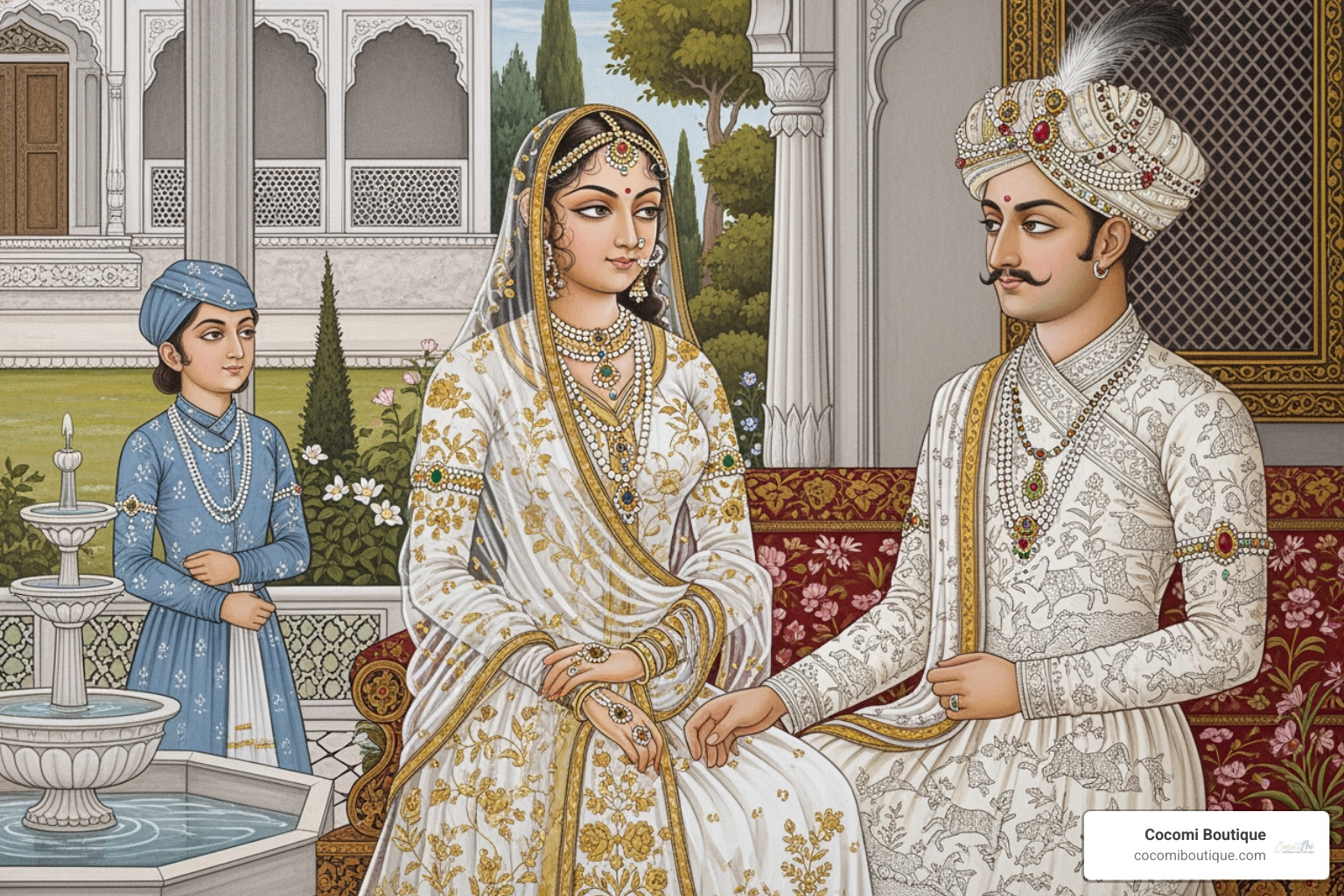
The story of muslin is deeply intertwined with history and culture. Historical evidence points to the Bengal region (modern-day Bangladesh and India) as its birthplace. The name "muslin" is likely derived from Mosul, a medieval trading hub in Iraq, though its true roots may lie closer to Dhaka, where the finest muslins were produced.
From the 3rd century BCE to the 19th century CE, muslin production was a monumental industry in Bengal. During the 17th and 18th centuries, Mughal Dhaka became the world's foremost exporter. The craftsmanship was so exquisite that some varieties were poetically named Baft Hawa (woven air) and Shabnam (evening dew), capturing the fabric's ethereal quality. Marco Polo himself noted its exceptional quality in his travels.
Bengali muslin was coveted by royalty worldwide, but its golden age declined under British Company rule. Policies promoting British textiles and the rise of machine-made fabrics devastated traditional weaving communities. While tales of weavers' thumbs being cut off are largely refuted by historians, the economic impact was undeniable.
Despite this decline, the legacy of muslin endures. Jamdani, a specific type of patterned muslin, received global recognition in 2013 when UNESCO inscribed the traditional art of weaving Jamdani in Bangladesh on its list of Masterpieces of the Oral and Intangible Heritage of Humanity. This highlights the profound cultural significance of the textile.
Today, there are dedicated efforts to revive the traditional art of Dhaka muslin. The Bangladesh government has initiated projects to bring back the lost art, aiming to recreate the legendary "woven air" that once captivated the world. You can learn more about these fascinating efforts in articles like The legendary fabric that no one knows how to make and Bangladesh resurrects precious woven-air Dhaka muslin.
The Traditional Manufacturing Process
Creating traditional Bengali muslin was a painstaking process. It began with Phuti Karpas cotton, native to the region, which produced exceptionally fine fibers. Artisans hand-spun these into delicate yarns, often during the humid rainy season to prevent breakage. The yarn was then expertly handloom woven with a plain weave structure, a process that could take over five months for a single piece. Natural bleaching methods achieved the pristine white color. This slow, labor-intensive craft was passed down through generations, making each piece a masterpiece.
The Evolution to Modern Production
With the Industrial Revolution, machine weaving largely replaced handlooms for mass production, allowing for a wider range of muslin weights and grades to be produced more efficiently. Today, muslin is made in various weights, from delicate sheers to coarse sheeting. It can be found in its natural unbleached state or bleached to a crisp white. Modern innovations have also introduced treatments like fire-retardancy for use in public spaces like theaters. While production has diversified, the core characteristics that made muslin famous – its breathability and versatility – remain at its heart.
Defining Characteristics and Types of Muslin Fabric
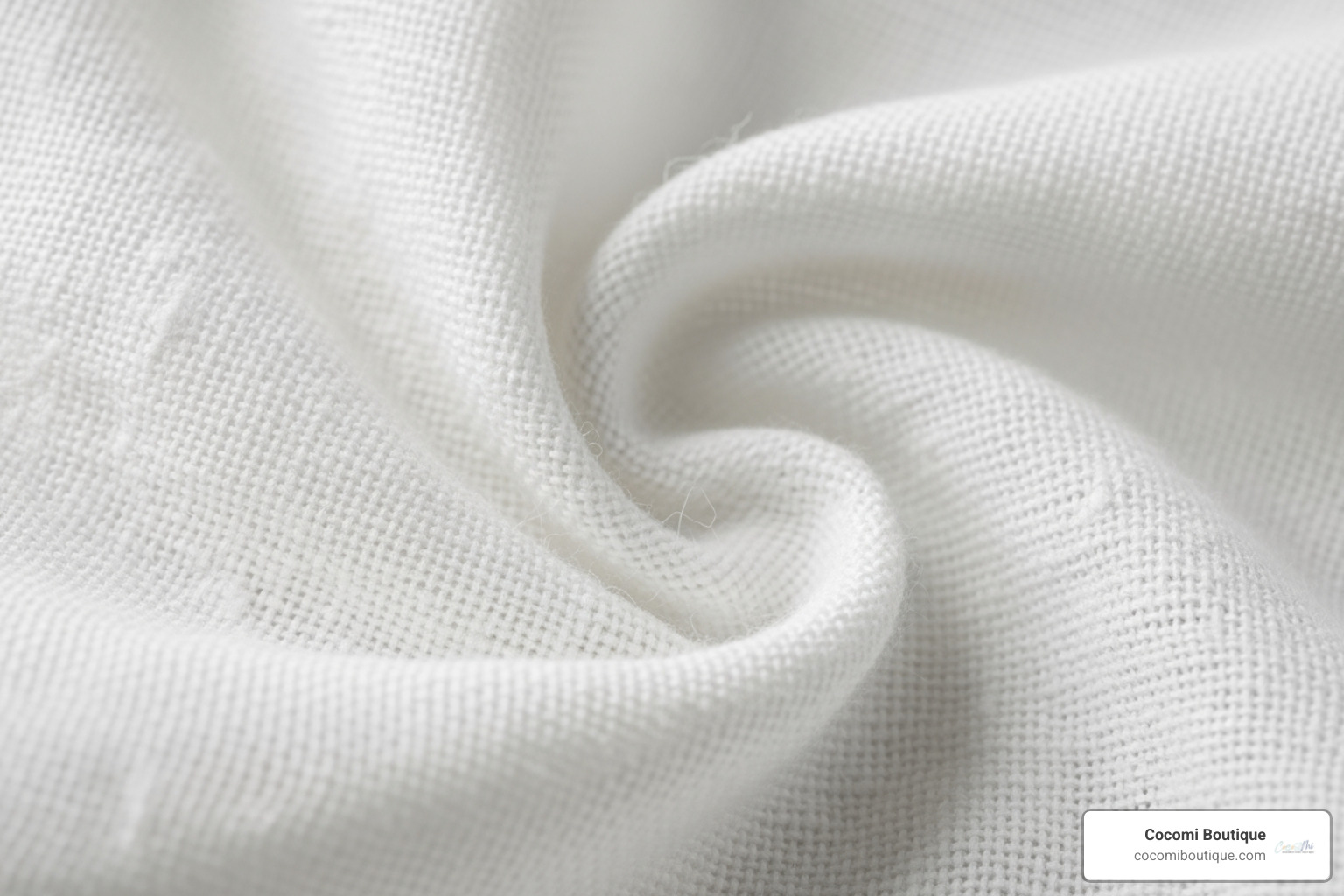
At its core, muslin is defined by its plain weave structure. This simple, crisscross pattern of warp and weft threads creates a fabric that is inherently balanced and stable. What truly sets muslin apart, however, are its defining characteristics:
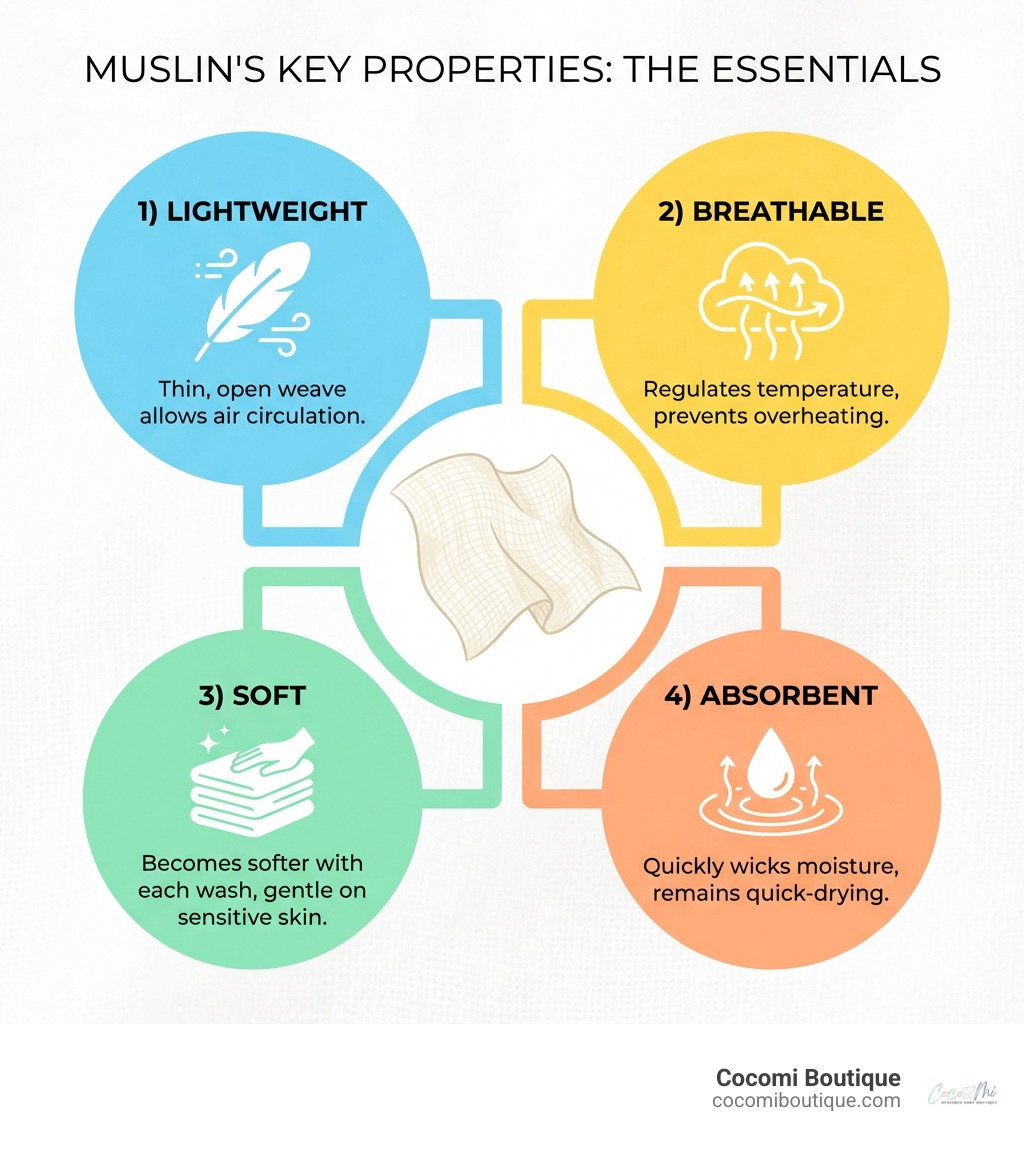
- Softness: While some initial muslin might feel a bit crisp, one of its most beloved traits is how it transforms. It gets remarkably softer with each wash, making it incredibly gentle against the skin. This characteristic makes it a favorite for baby products.
- Absorbency: Muslin is highly absorbent, quickly wicking away moisture. This property, combined with its quick-drying nature, makes it practical for everything from kitchen tasks to baby care.
- Durability: Despite its often lightweight and airy feel, muslin is surprisingly durable. Its plain weave structure provides strength, allowing it to withstand frequent washing and regular use without easily fraying or tearing.
- Lightweight Nature: The open weave contributes to its lightness, preventing it from feeling heavy or restrictive.
- Breathability: Perhaps its most celebrated feature, muslin's open weave allows for excellent air circulation. This breathability is key to its comfort, especially in warmer climates, as it helps regulate temperature and prevents overheating.
The Four Main Types of Muslin
While the term "muslin" often conjures an image of a single type of fabric, it actually encompasses a spectrum of variations, primarily categorized by their weave density and weight. The four main types include:
- Gauze: This is the lightest and most open-weave form of muslin. It is very sheer and breathable, often used for surgical dressings, delicate apparel, or draping. It's the most airy of the muslin family.
- Mull: Slightly denser than gauze but still very fine and soft. Mull is often used for linings, interfacings, or very delicate garments where a bit more opacity than gauze is desired.
- Swiss Muslin: This type of muslin is characterized by small, regularly spaced dots or patterns woven into the fabric, giving it a distinctive, often decorative, appearance. It's commonly used for blouses, dresses, and children's clothing.
- Sheeting: At the heavier end of the muslin spectrum, sheeting muslin is more opaque and robust. It's often used for bed linens, backings for quilts, or more substantial garment patterns.
Understanding Fabric Weights and Grades
The versatility of muslin lies significantly in its wide range of weights and grades. This allows it to adapt to countless applications:
- Delicate Sheers: These are the lightest muslins, akin to gauze, with a very low thread count and an airy, almost transparent quality. They are often used where breathability and drape are paramount, such as in summer scarves or delicate curtains.
- Coarse Sheeting: On the opposite end, we find heavier muslins with a much denser weave and higher thread count. These are more opaque and durable, suitable for items requiring more structure or resilience, like furniture covers or heavier backings.
- Thread Count Variations: The fineness of muslin is often reflected in its thread count, though it's typically lower than that of other cotton weaves like percale or sateen. Historically, some fine muslins could have incredibly high yarn counts, contributing to their legendary softness and sheerness. Modern muslins vary widely, with lighter weights having lower thread counts and heavier weights having higher ones.
- Choosing the Right Weight: The choice of muslin weight depends entirely on its intended use. A delicate gauze is perfect for baby swaddles, offering maximum breathability, while a heavier sheeting muslin is ideal for creating a garment prototype or a sturdy photography backdrop. Understanding these variations helps us select the perfect muslin for any project.
The Best Versatility of Muslin
Muslin's adaptability is truly remarkable, making it a staple across numerous industries and everyday uses. Its plain weave, breathability, and ease of handling contribute to its widespread appeal.
Muslin in Fashion and Apparel
Historically, muslin has played a significant role in fashion. In the 18th and 19th centuries, it was a favored fabric for dresses, blouses, and skirts, particularly in Europe, where the "ingénue" look of loose, flowing muslin dresses became fashionable. Reformers like Jean-Jacques Rousseau advocated for children to wear unrestrictive, washable cotton clothing, further cementing muslin's place in children's apparel. Even today, its lightweight and breathable nature makes it an excellent choice for comfortable, unrestrictive garments, especially in warmer weather.
One of the most practical applications of muslin in sewing and dressmaking is its use for creating test garments, often referred to simply as "muslins" or "toiles" (in Britain and Australia). Before cutting into expensive fashion fabric, designers and home sewers create a prototype from inexpensive muslin to check the fit, drape, and overall design of a garment. This allows for adjustments and alterations without wasting costly materials, making the process more efficient and less intimidating.
Practical Uses Around the Home
Beyond fashion, muslin finds many practical applications within our homes:
- Cleaning Cloths: Its absorbency and soft texture make muslin excellent for dusting, polishing furniture, and washing windows, leaving surfaces streak-free.
- Dust Covers: In its heavier sheeting form, muslin is an ideal, inexpensive fabric for covering furniture, electronics, or other items to protect them from dust.
- Upholstery Lining: Heavyweight muslin can be used as a durable and breathable lining for upholstery projects.
- Lightweight Curtains: Sheer muslin makes for beautiful, airy curtains that allow light to filter through while providing a degree of privacy, perfect for a breezy summer feel.
Diverse Industrial and Artistic Applications
The utility of muslin extends far beyond clothing and home use, reaching into specialized fields:
- Quilting Backing: Quilters often use inexpensive, unbleached muslin as a backing or lining for their quilts. Its stability and affordability make it a practical choice, allowing the more decorative top layers to stand out. Some even use it as the main fabric for a more rustic, "old-time" feel.
- Culinary Uses: In the kitchen, muslin is a workhorse. It's used as a filter for decanting wine, separating liquids from mush (like fruit pulp for jellies), and is essential in home cheese-making to strain curds from whey. We even wrap traditional Christmas puddings and fruitcakes in muslin before steaming or maturing them. It's stronger than traditional cheesecloth for many straining tasks.
- Theatre Sets and Photography Backdrops: Muslin is the cloth of choice for theatre sets, used to mask backgrounds and establish mood. It can be painted, dyed, and treated to become translucent for special effects, such as creating a night sky or a misty scene. In video production, it serves as a cheap greenscreen or bluescreen. For photographers, muslin is the most common backdrop material for formal portraits, often painted with abstract patterns to add texture and depth.
-
Medical Gauze: In a more critical application, muslin gauze is employed in cerebrovascular neurosurgery. Surgeons use it to wrap around aneurysms or intracranial vessels at risk for bleeding, providing structural support and helping to prevent ruptures. This specialized use highlights the fabric's strength and reliability. For more on this, you can refer to
[Muslin gauze in intracranial vascular surgery](https://doi.org/10.3171%2Fjns.1976.44.1.0127). - Aviation: Surprisingly, unbleached muslin was even used by the Wright Brothers for parts of the 1903 Wright Flyer's wings, demonstrating its lightweight strength.
Muslin for Babies: The Ultimate Choice for Comfort and Care
When it comes to our little ones, comfort, safety, and practicality are paramount. This is where muslin truly shines, making it an ultimate choice for baby products. Its inherent properties are perfectly suited for a baby's delicate needs:
- Breathability for Temperature Regulation: Babies are particularly sensitive to temperature fluctuations. The open weave of muslin allows air to circulate freely, making it incredibly breathable. This helps regulate a baby's body temperature, reducing the risk of overheating, especially crucial during sleep. This natural ventilation provides comfort in all seasons.
- Softness on Delicate Skin: A baby's skin is incredibly tender and sensitive. Muslin fabric, especially when made from 100% cotton, is renowned for its softness, which only improves with every wash. This gentle touch prevents irritation and chafing, ensuring maximum comfort for your little one.
- Hypoallergenic Properties: Because muslin is typically made from natural cotton fibers, it is often hypoallergenic and less likely to cause allergic reactions or skin sensitivities. This makes it a safe choice for babies, including those with eczema or other skin conditions.
- High Absorbency: From spit-ups to dribbles, babies generate a lot of moisture! Muslin's high absorbency quickly wicks away liquids, keeping your baby dry and comfortable. This also means it dries relatively fast, which is a huge bonus for busy parents.
- Durability for Frequent Washing: Baby items are washed frequently, sometimes daily. Muslin's durable plain weave stands up exceptionally well to repeated laundering, maintaining its integrity and getting even softer over time. This longevity makes muslin baby products a worthwhile investment.
Why is organic cotton muslin best for babies?
While all muslin offers wonderful benefits, we believe organic cotton muslin takes it a step further, especially for babies. There are compelling reasons why parents increasingly opt for organic:
- Reduced Chemical Exposure: Conventional cotton farming often relies on pesticides and synthetic fertilizers. Organic cotton, however, is grown without these harmful chemicals. Choosing organic cotton muslin for your baby means significantly reducing their exposure to potential irritants and toxins, creating a healthier environment for their developing skin and body.
- Environmental Benefits: Organic farming practices are kinder to the planet. They promote biodiversity, conserve water, and maintain soil health. By choosing organic, we contribute to a more sustainable future for our children.
- GOTS Certification: To ensure genuine organic quality, we look for certifications like GOTS (Global Organic Textile Standard). GOTS-certified organic muslin guarantees that the fabric meets stringent environmental and social criteria throughout its entire production process, from harvesting the raw materials to environmentally and socially responsible manufacturing. You can explore more about this in our guide, GOTS Certified Goodness: Finding the Perfect Organic Muslin Blanket. It ensures transparency and ethical practices, giving us peace of mind. For the softest snuggles, we recommend Organic Cotton Swaddle Blankets: A Guide to the Softest Snuggles.
Essential Baby Products Made from Muslin
The versatility of muslin makes it ideal for a wide array of baby essentials:
- Swaddle Blankets: Muslin swaddle blankets are a favorite among parents. Their lightweight and breathable nature prevents overheating, while the generous size and gentle drape allow for a secure and comfortable swaddle, mimicking the snug feeling of the womb. This can help newborns feel safe and sleep better. Learn more about their benefits in All About Muslin Baby Blankets and master the art of swaddling with The Ultimate Guide to Safe Swaddling for Newborns.
- Sleeping Bags/Sleep Sacks: As babies grow, muslin sleeping bags provide a safe alternative to loose blankets. They offer warmth without the risk of suffocation, and their breathability ensures comfortable sleep year-round.
- Burp Cloths: Highly absorbent muslin burp cloths are indispensable for catching spit-ups and spills, protecting clothing and keeping messes contained.
- Nursing Covers: The lightweight and breathable quality of muslin makes it an excellent choice for nursing covers, providing privacy for feeding while ensuring good airflow for both mom and baby.
- Receiving Blankets and Play Mats: Muslin blankets are perfect for everyday use—whether for tummy time, an extra layer in the stroller, or simply snuggling.
- Washcloths: Gentle muslin washcloths are soft enough for a baby's delicate skin during bath time.
Muslin vs. Other Fabrics & Care Guide
Understanding how muslin compares to other common fabrics like cotton and linen can help clarify its unique properties.
| Feature | Muslin (Cotton Plain Weave) | Cotton (General) | Linen (Flax Fiber) |
|---|---|---|---|
| Softness | Very soft, gets softer with washes | Varies greatly by weave (e.g., percale, sateen) | Can be stiff initially, softens over time |
| Breathability | Excellent (open weave) | Good to excellent (depends on weave) | Excellent (natural hollow fibers) |
| Thickness | Ranges from sheer to medium-heavy | Varies from very thin to very thick | Tends to be thicker than most muslins |
| Texture | Slightly crinkled, soft, airy | Smooth, crisp, or brushed (depends on weave) | Distinctive slubby texture |
| Absorbency | High | High | Very high |
| Drying Time | Fast | Moderate | Fast |
| Drapee | Flowy, soft drape | Varies widely | Crisp, neat drape |
| Wrinkling | Prone to soft wrinkles | Varies widely | Prone to deep wrinkles |
Muslin and Calico are often compared, as both are plain-weave cotton fabrics. However, calico is generally a coarser, heavier, and less refined fabric than muslin. While calico is typically unbleached and undyed, giving it a natural, rustic look, muslin fabric is much finer, lighter, and can range from delicate sheers to medium weights, making it more versatile for a wider array of applications, particularly those requiring softness and drape.
How to Care for Your Muslin Items
One of the great advantages of muslin is its ease of care, which contributes to its long lifespan and increasing softness. To ensure your muslin items, especially those used for babies, remain in excellent condition:
- Machine Washing Cold: We recommend washing muslin in cold water on a gentle cycle. This helps to preserve the fabric's integrity and prevents excessive shrinkage or damage.
- Gentle Cycle: A gentle cycle is crucial to protect the delicate fibers and weave of muslin, particularly for lighter weights.
- Tumble Dry Low or Hang Dry: For best results and to maintain softness, tumble dry on the lowest heat setting or, even better, hang dry. High heat can damage the fibers and lead to increased shrinkage.
- Avoiding High Heat: High temperatures can cause muslin to become brittle over time and can set stains.
- Using Gentle Detergents: Especially for baby products, opt for chemical-free, gentle detergents. This protects your baby's sensitive skin from harsh chemicals and helps prolong the life of the fabric.
- Fire-Retardant Muslin: Most fire-retardant muslin should not be washed, as washing typically destroys its flame-retardant properties. If you have fire-retardant muslin (often used for theatre or commercial applications), always check the manufacturer's specific care instructions. Some specialized fire-retardant poly muslin blends are designed to retain their properties after washing.
Proper care will ensure your muslin items remain soft, breathable, and durable for years to come.
Frequently Asked Questions about Muslin
We often hear many questions about this versatile fabric. Here are some of the most common ones:
What is the difference between muslin and regular cotton?
This is a fantastic and common question! To clarify, cotton is a natural fiber, while muslin is a type of fabric. So, you can think of it this way: all muslin is made from cotton (or sometimes cotton blends), but not all cotton fabric is muslin.
Muslin specifically refers to a fabric made with a plain weave construction. This particular weave gives muslin its characteristic open, lightweight, and breathable qualities. Other cotton fabrics, like percale or sateen, use different weave patterns that result in distinct textures, drapes, and levels of breathability. For example, percale is known for its crisp, cool feel, while sateen is smoother and has a slight sheen. Muslin, with its simpler, more open weave, tends to be lighter and airier than many other cotton fabrics.
Does muslin shrink when washed?
Yes, like many natural cotton fabrics, muslin does have the potential to shrink when washed, especially during its first few washes. The degree of shrinkage can vary depending on the specific weave, manufacturing process, and washing temperature.
To minimize shrinkage, we recommend washing muslin in cold water and tumble drying on a low heat setting or air drying. If you are using muslin for a sewing project, it's always a good practice to pre-wash and dry your fabric before cutting and sewing. This allows any potential shrinkage to occur beforehand, ensuring your finished product maintains its intended size and shape.
Is muslin a good fabric for summer?
Absolutely! Muslin is an excellent fabric choice for summer, and its popularity for warm-weather clothing and baby products is well-deserved. Its key characteristics make it perfectly suited for hot and humid conditions:
- Highly Breathable: The open, plain weave of muslin allows air to circulate freely through the fabric. This exceptional breathability helps to dissipate heat from the body, keeping you or your baby cool and comfortable.
- Lightweight: Muslin is inherently a lightweight fabric, which means it doesn't feel heavy or clingy against the skin. This adds to its comfort during warm weather.
- Wicks Moisture Away: While absorbent, muslin also has a knack for wicking moisture away from the skin and drying quickly. This helps to prevent that sticky, uncomfortable feeling often associated with summer humidity.
For these reasons, muslin is a go-to for summer blankets, clothing, and swaddles. You can read more about why we love it for warmer months in Lightweight Cotton Blankets: The Ultimate Summer Comfort.
Conclusion
From its ancient origins in Bengal to its modern-day applications, muslin has proven itself to be a fabric of enduring quality and unparalleled versatility. We've journeyed through its rich history, marveled at its defining characteristics, explored its many uses across various industries, and highlighted its exceptional benefits, especially for our most precious little ones.
The breathability, softness, absorbency, and durability of muslin make it a truly remarkable textile. It's a fabric that offers both a connection to a storied past and a practical solution for contemporary needs. For those seeking comfort, safety, and a gentle touch, particularly for sensitive skin and baby care, muslin stands out as an ideal choice.
At Cocomi Boutique, our commitment to quality means we choose premium, often organic, muslin to craft products that are not only beautiful but also safe and comfortable for your baby. We understand that parents want the best, and muslin delivers on that promise, getting softer and more beloved with every wash. For a deeper dive into why we champion this fabric for baby essentials, explore The Ultimate Guide to Cotton Muslin Baby Blankets: Softness, Safety.