

Why Mastering the Newborn Blanket Swaddle Matters for Your Baby's Sleep
A newborn blanket swaddle is a traditional technique that wraps your baby snugly to recreate the secure, womb-like feeling they experienced before birth. This simple practice helps newborns sleep longer, soothes their natural startle reflex, and provides comfort during their first weeks of life.
Quick Guide to Newborn Blanket Swaddling:
- Choose the right blanket - Breathable fabrics like muslin or organic cotton (47x47 inches)
- Create a diamond shape - Lay blanket flat and fold the top corner down
- Position baby safely - Place on their back with neck on the fold
- Wrap snugly but safely - Allow hip movement and ensure two fingers fit between chest and blanket
- Always place on back to sleep - In a crib or bassinet with no loose items
The American Academy of Pediatrics (AAP) supports swaddling during the first few weeks. When done correctly, it can be part of a safe sleep strategy that reduces the risk of SIDS. Research shows that swaddling helps babies feel secure and relaxed, leading to better sleep for the entire family.
"Parents want their babies to be comfortable. Swaddling is a huge part of that. But safe sleep practices and swaddling correctly should always come first," notes medical experts from leading pediatric centers.
I'm Monika Jarog, founder of Cocomi Boutique. I've dedicated my career to creating handcrafted, natural baby essentials that meet the highest safety standards. My experience has taught me that the right newborn blanket swaddle, paired with proper technique, makes all the difference in those precious early weeks.
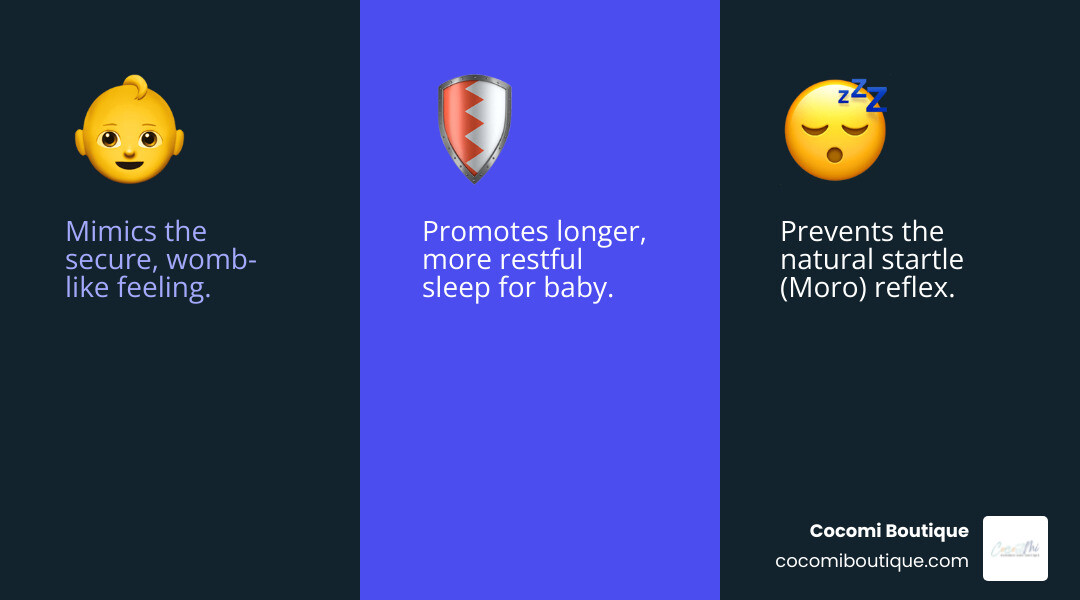
Newborn blanket swaddle terminology:
The Comforting Accept: Why Swaddle Your Newborn?
After nine months in the womb, the outside world can feel overwhelming for a newborn. A newborn blanket swaddle is your secret weapon for calmer days and better nights. It recreates the snug, secure feeling of the womb, giving your baby a gentle, continuous hug that eases their transition and provides comfort.
One of the biggest benefits of a newborn blanket swaddle is how it manages the Moro reflex, or startle reflex. This involuntary response causes babies to suddenly throw their arms out, often waking themselves up. By keeping your baby's arms gently secured, swaddling prevents these jerky movements from disrupting their rest, allowing for longer, more peaceful sleep.
When babies sleep better, they grow better, and parents get the rest they need to care for their little ones. Beyond sleep, swaddling is wonderful for soothing fussy babies. The gentle pressure and containment can calm an overstimulated infant, helping them settle when nothing else seems to work. Whether your baby is dealing with colic or just having a tough evening, a proper swaddle offers a sense of security that helps them find their calm.
When done correctly, swaddling also supports safe sleep practices that reduce SIDS risk by encouraging back sleeping. We cover all the important safety guidelines in detail in The Ultimate Guide to Safe Swaddling for Newborns, so you can swaddle with confidence.
The newborn blanket swaddle isn't just a tradition—it's a scientifically supported method that gives your baby the comfort, security, and quality sleep they need to thrive in those beautiful early days.
Choosing the Perfect Newborn Blanket Swaddle
Finding the right blanket is key to successful swaddling. The fabric you choose makes a world of difference in your baby's comfort and safety. The best newborn blanket swaddle materials are breathable, hypoallergenic, and soft against delicate skin.

Muslin blankets are a swaddling favorite for good reason. Made from 100% cotton, muslin's open weave is lightweight and allows air to circulate, which is crucial for preventing overheating. A bonus: muslin gets softer with every wash. Learn more in The Ultimate Guide to Cotton Muslin Baby Blankets: Softness, Safety.
Organic cotton is special to us at Cocomi Boutique. Certified organic cotton is grown without harmful chemicals, pesticides, or toxic dyes, making it exceptionally soft and gentle for fabric that will be against your baby's skin for hours. Explore our guide: Organic Cotton Swaddle Blankets: A Guide to the Softest Snuggles.
Bamboo fabric is another wonderful, silky-soft choice. It's naturally hypoallergenic and has cooling properties, making it ideal for babies with sensitive skin or for warmer climates. It's also a more sustainable option, using significantly less water to produce than conventional cotton.
Size also matters. The ideal newborn blanket swaddle should be around 46x46 or 47x47 inches. This generous square gives you plenty of fabric for a secure wrap that stays put. A blanket that's too small will be hard to tuck, while one that's too large can create unsafe, bulky folds.
At Cocomi Boutique, we are committed to offering baby essentials that meet the highest safety standards. Choosing a high-quality, breathable newborn blanket swaddle in the right size gives your baby the best possible start to their sleep journey.
The Diamond Wrap: A Step-by-Step Guide to Swaddling
The diamond wrap (or burrito wrap) is a classic method for creating a secure, womb-like cocoon. It may take a few tries to master, but you'll get the hang of it quickly. The goal is a snug wrap that still allows for natural hip movement. For a visual guide, we recommend this helpful demonstration: Watch a video showing how to swaddle your baby. Let's walk through the steps.
Step 1: Prepare Your Blanket
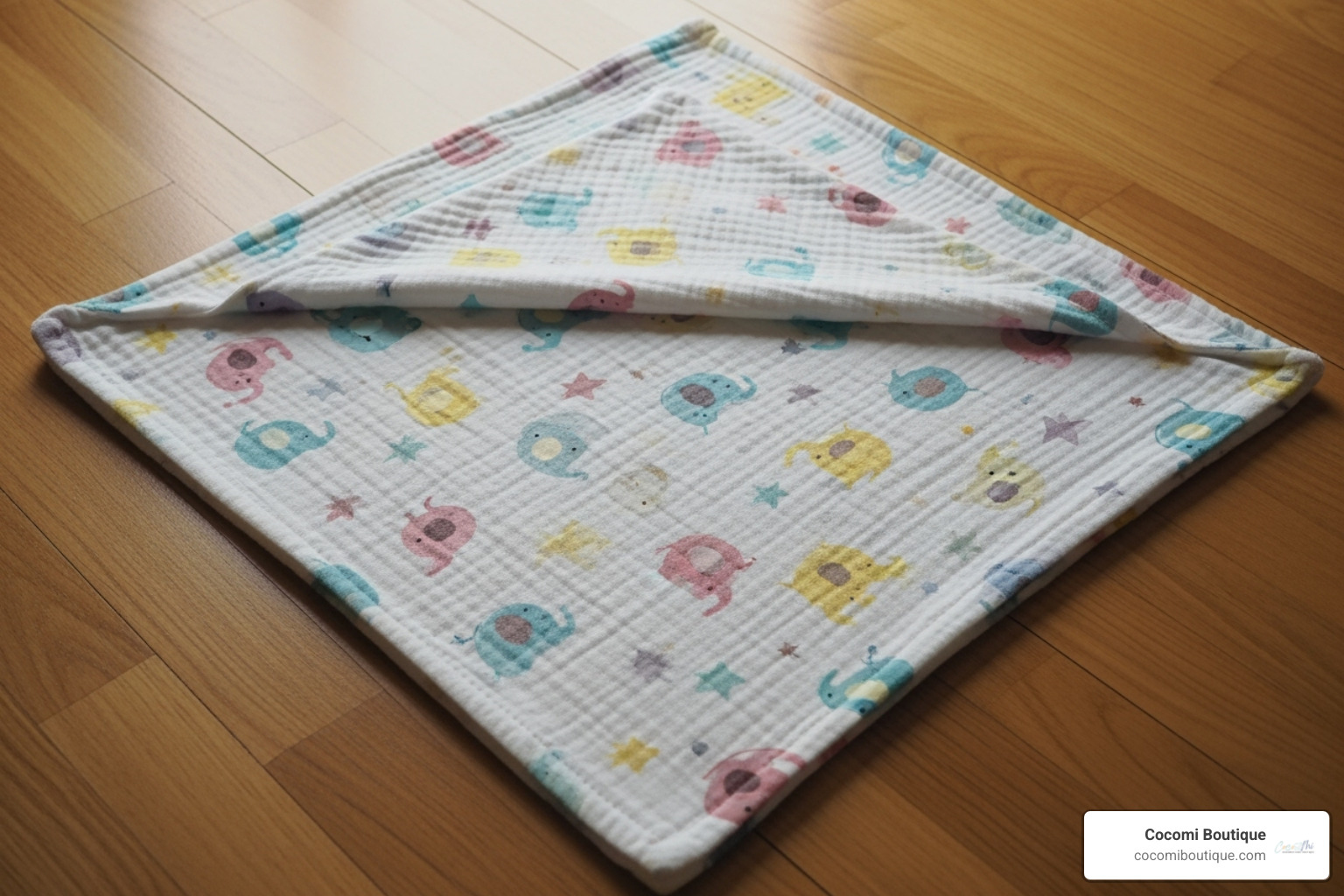
On a flat, safe surface, lay your newborn blanket swaddle in a diamond shape. Fold the top corner down about six to eight inches to create a straight edge. This is where your baby's shoulders will rest.
Step 2: Position Your Baby

Gently place your baby on their back in the center of the blanket. Their shoulders should be just below the folded edge. This position is essential to keep the blanket from riding up near their face.
Step 3: The First Tuck

Hold your baby's left arm straight down. Take the left corner of the blanket and pull it snugly across their chest and left arm. Tuck the excess fabric firmly underneath their right side, ensuring it's smooth against their back.
Step 4: The Bottom Fold
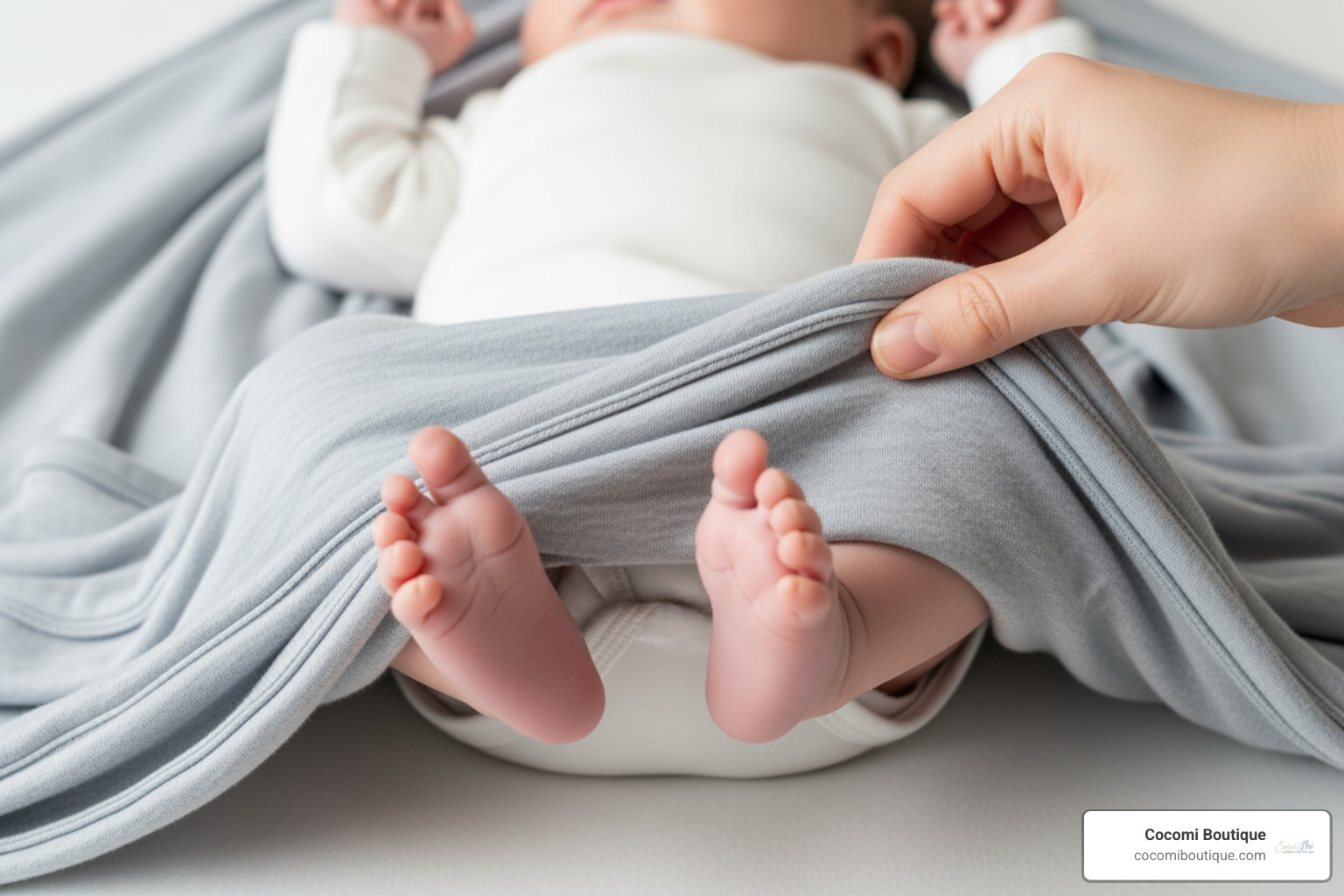
This step is crucial for hip health. Take the bottom corner of the newborn blanket swaddle and fold it up over your baby's feet. Leave plenty of room inside for their legs to bend up and out at the hips, like a frog. Never force their legs straight.
Step 5: The Final Wrap
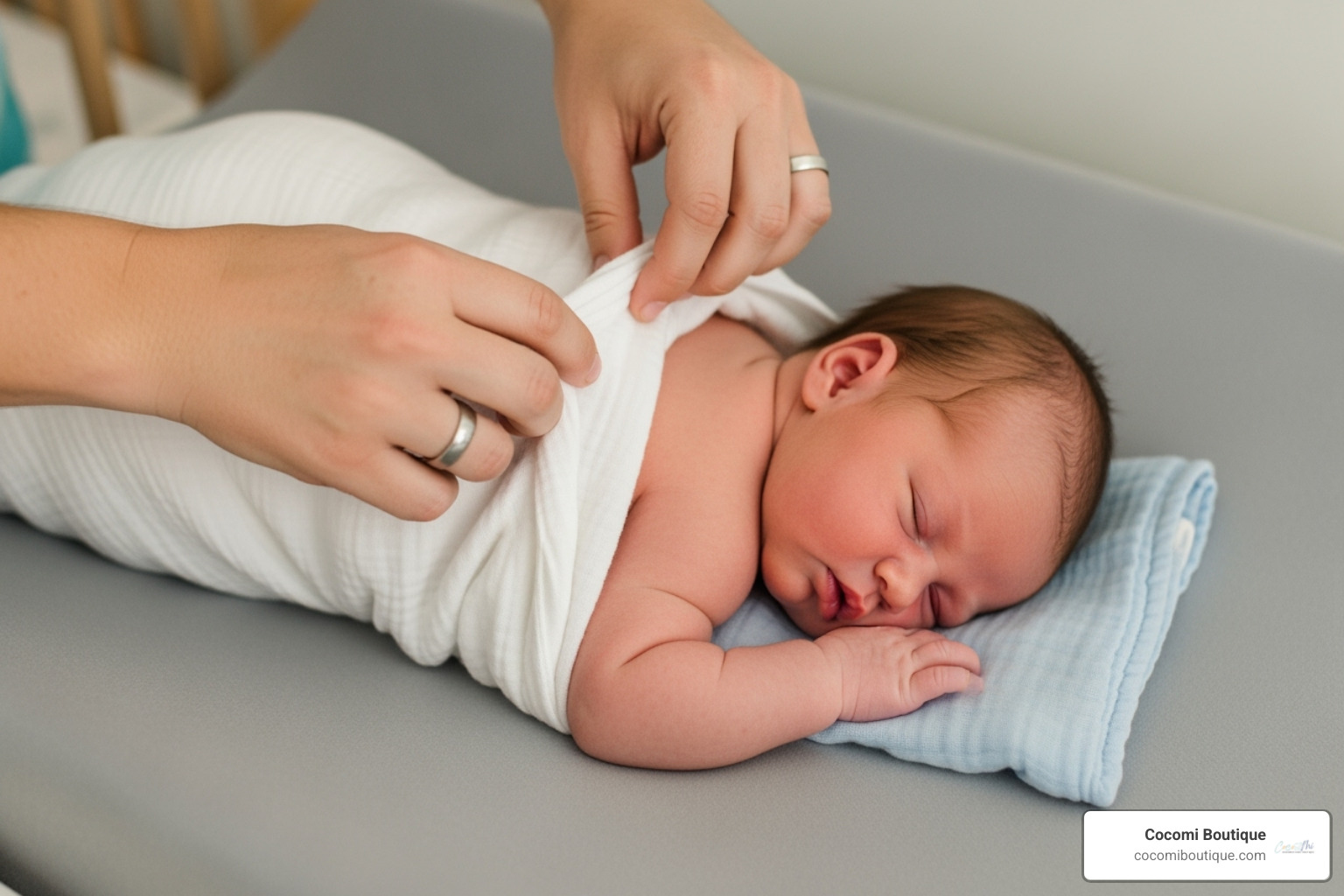
Hold your baby's right arm straight down. Take the final right corner of the blanket, pull it across their body, and wrap it all the way around. Tuck the end of the blanket securely underneath them. The swaddle should be snug around the torso, but you should be able to fit two fingers between the blanket and their chest.
Safe Swaddling: Essential Do's and Don'ts
While a newborn blanket swaddle is great for comfort, safety is paramount. Incorrect swaddling can lead to hip dysplasia, overheating, or an increased SIDS risk. Here's how to swaddle safely and confidently.
How to Check Your Newborn Blanket Swaddle for Safety
A safe swaddle is secure but not restrictive. Use these two checks:
- The Two-Finger Rule: You should be able to slip two or three fingers between the swaddle and your baby's chest. This ensures the wrap isn't too tight for breathing.
- Hip-Healthy Check: The bottom of the newborn blanket swaddle must be loose. Your baby's legs should be able to bend up and out at the hips naturally (like a frog). Never straighten or bind their legs, as this can lead to hip dysplasia.
Signs of Overheating and How to Prevent It
Newborns can't regulate their body temperature well, so it's crucial to prevent overheating. Watch for signs like sweating, flushed cheeks, damp hair, heat rash, or rapid breathing. If you spot these, unwrap your baby immediately. You can learn more about normal newborn breathing patterns here to know what's typical.
To prevent overheating:
- Dress baby lightly under the swaddle in a single layer, like a cotton onesie. The swaddle acts as a blanket.
- Keep the room cool, between 68-72°F (20-22°C).
- Use breathable fabrics like muslin, organic cotton, or bamboo to allow air circulation.
Safe Sleep Rules for a Swaddled Baby
Swaddling only reduces SIDS risk when combined with other safe sleep practices. These rules are non-negotiable.
- Always place your swaddled baby on their back to sleep. Never on their side or stomach. If a swaddled baby rolls onto their tummy, they may not be able to roll back, creating a serious suffocation risk.
- Use a firm sleep surface in a crib or bassinet that meets current safety standards. Avoid soft surfaces like adult beds or sofas.
- Keep the sleep space clear of loose items. No loose blankets, pillows, bumpers, or stuffed animals. A newborn blanket swaddle replaces the need for loose blankets, keeping your baby warm and safe.
Beyond the Swaddle: Alternatives and When to Stop
A newborn blanket swaddle isn't forever. As babies grow, their sleep needs change. Knowing when to transition away from swaddling and what alternatives to use is key for continued safe sleep.
When Should You Stop Using a Newborn Blanket Swaddle?

The most important signal to stop swaddling is when your baby shows any sign of attempting to roll over, which typically happens between 2 and 4 months. A baby who rolls onto their stomach while swaddled is at a serious risk of suffocation because their arms are contained.
Other signs your baby is ready to transition include consistently breaking free from the swaddle or seeming frustrated by the confinement. These are normal developmental milestones.
To make the change easier, try a gradual transition. Start by swaddling with one arm out for a few nights. Then, leave both arms free while still wrapping the torso. This step-by-step approach helps your baby adjust to more freedom without feeling insecure.
What Are the Alternatives to Traditional Swaddling?
When your baby outgrows the newborn blanket swaddle, several safe alternatives are available:
- Sleep Sacks: Also called wearable blankets, these are the gold standard for safe sleep after swaddling. They zip up to provide warmth without loose fabric, allowing free arm and leg movement, which is safe for rolling babies.
- Transition Swaddles: These are designed for the in-between stage, often featuring removable wings to gradually free your baby's arms while keeping their torso snug.
- Arms-Out Swaddling: Use your traditional newborn blanket swaddle but wrap it only around your baby's torso, leaving both arms free. This maintains a secure feeling while allowing the mobility needed for rolling.
As you explore sleep solutions, always research safety guidelines. For instance, if you're curious about other products, you can learn more here: The Truth About Newborn Snuggle Nests: Safety, Benefits, and What to Consider. Safe sleep practices should always guide your decision.
Frequently Asked Questions about Swaddling
New parents often have questions about using a newborn blanket swaddle. Here are answers to some of the most common ones.
How long and how often should I swaddle my newborn?
During the first few weeks, you can swaddle your baby for 12–20 hours per day, as recommended by the American Academy of Pediatrics. A newborn blanket swaddle is most beneficial during naps and nighttime sleep to help minimize the startle reflex and encourage longer rest. As your baby becomes more alert and has longer wake windows, you will naturally swaddle less often, primarily just for sleep.
What if my baby keeps breaking out of the swaddle?
If your baby regularly breaks free, check these three things:
- Your Technique: Ensure each fold of the diamond wrap is snug and securely tucked. The arm wraps should be firm but still allow two fingers of space at the chest.
- Blanket Size: A small blanket may not provide enough fabric for a secure wrap. A generous 46x46 or 47x47 inch blanket is more effective and escape-proof.
- Your Baby's Preference: Some babies simply resist traditional swaddles. If you've perfected your technique and are using the right size blanket, consider a specialized swaddle with Velcro or zippers for a more consistent hold.
Can I swaddle my baby while they are awake?
A newborn blanket swaddle is an excellent tool for calming a fussy baby and preparing them for sleep. Using it consistently as part of a nap or bedtime routine creates a powerful sleep association. However, when your baby is alert and awake, they need the freedom to move their arms and legs to explore and develop motor skills. Think of the swaddle as a tool for calming and sleep, not for all-day wear during active, playful periods.
Conclusion
This guide has covered everything you need to know about the newborn blanket swaddle. This age-old technique is a science-backed method to help your baby feel secure, sleep peacefully, and transition gently into their new world.
We've covered the benefits of swaddling, how to choose the right blanket, the step-by-step diamond wrap technique, and crucial safety rules—like ensuring hip-healthy wrapping and always placing your baby on their back to sleep. The newborn blanket swaddle is a wonderful tool, but it's not forever. Watch for signs of rolling and be ready to transition to safe alternatives like sleep sacks.
Here at Cocomi Boutique, we understand how precious these early weeks are. That's why I've dedicated my work to creating handcrafted baby essentials from 100% natural, chemical-free materials that meet the highest European safety standards. Every newborn blanket swaddle in our collection is thoughtfully designed with your baby's comfort and safety in mind.
Swaddling, when done correctly, is a gift to your baby and yourself. It's a simple act of care that can make an enormous difference in your family's well-being during those fleeting first weeks.
Ready to find the perfect swaddle for your little one? Explore our collection of beautiful and soft organic swaddle blankets and find the difference that quality, care, and craftsmanship can make.