

Introduction: The Unsung Hero of Your Diaper Bag
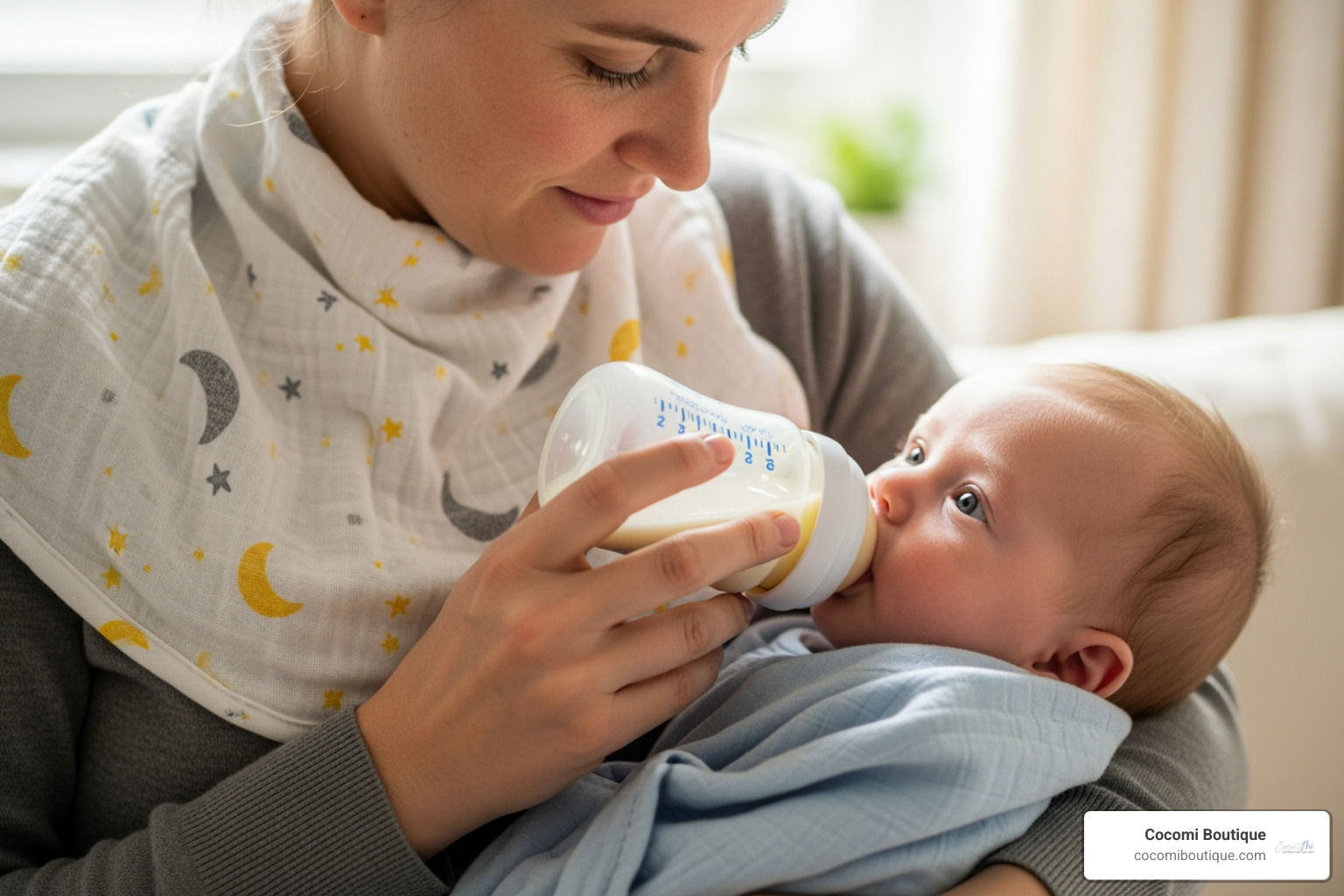
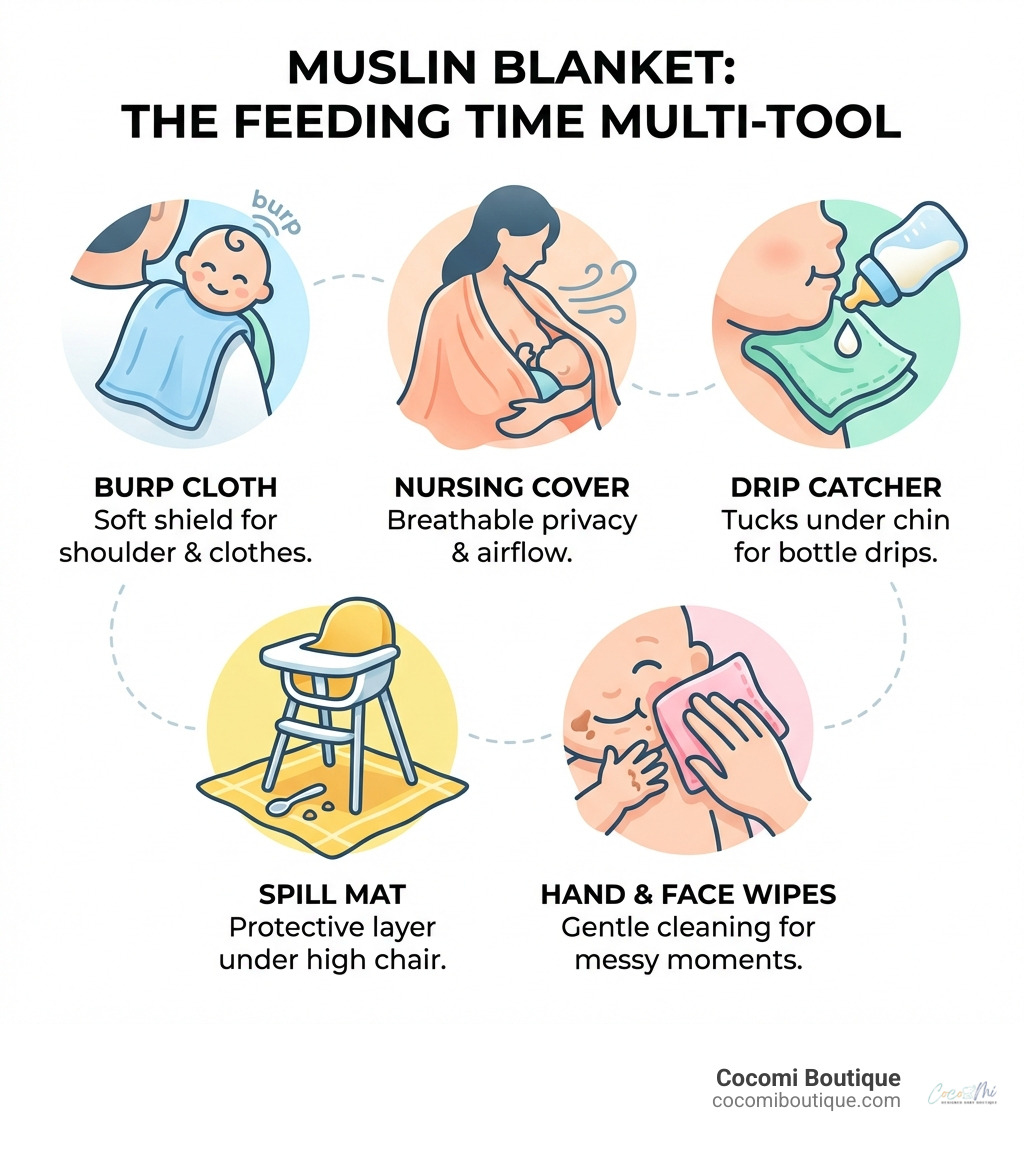
A baby feeding muslin blanket is one of the most versatile tools you'll reach for during feedings—whether you need a quick burp cloth, a breathable nursing cover, or a spill-catching layer under your baby's chin. Here's how muslin blankets support feeding time:
- Burp cloth replacement: Soft, absorbent, and large enough to protect your shoulder and clothes
- Nursing cover: Provides privacy while allowing airflow to keep baby cool
- Spill protection: Tucks under baby's chin during bottle feeding to catch dribbles
- Clean surface: Acts as a makeshift placemat or changing mat on the go
- Hand and face wipes: Gentle enough to clean sticky fingers and messy faces
Muslin's lightweight, breathable weave makes it ideal for baby products. The fabric's open weave allows for excellent airflow, preventing overheating during skin-to-skin feeding moments. With the global baby care market valued at USD 79.4 billion in 2022, parents are increasingly seeking multi-functional, high-quality essentials that work harder—and muslin blankets deliver exactly that.
You can't ever have enough muslins, as one product description aptly puts it. While muslin blankets are famous for swaddling, their real magic happens during the messy, beautiful chaos of feeding time. They're soft enough for sensitive skin, absorbent enough for inevitable spills, and large enough to handle whatever your baby throws at you (sometimes literally).
I'm Monika Jarog, and I've spent years curating handcrafted baby essentials made from natural, chemical-free materials that meet European safety standards. Through my work at Cocomi Boutique, I've helped countless parents find how a simple baby feeding muslin blanket can transform their daily feeding routine.
Learn more about baby feeding muslin blanket:
Why Muslin is the Perfect Feeding Companion
When it comes to baby essentials, few items boast the versatility and comfort of a muslin blanket. For feeding, specifically, muslin is truly best. Its unique properties make it an indispensable tool for parents navigating the sometimes-messy journey of feeding their little ones.
First and foremost, muslin is incredibly gentle on skin. Made from finely woven, loosely spun yarn, this fabric is renowned for its exceptional softness. This is crucial when it comes to a baby's delicate skin, especially around the face and neck, where frequent contact during feeding occurs. We understand the importance of non-irritating materials, which is why we champion muslin for its soft touch.
A key benefit of muslin for feeding is its high absorbency. Spills, dribbles, and spit-ups are an inevitable part of feeding, whether you're breastfeeding, bottle-feeding, or introducing solids. Muslin's open weave allows it to quickly wick away moisture, keeping your baby dry and comfortable, and protecting your clothes from unexpected messes. This rapid absorbency means less time cleaning up and more time cuddling.
Furthermore, muslin's breathability is a game-changer. Its open weave structure allows for continuous airflow, which is vital for preventing overheating. During nursing, when there's close skin-to-skin contact or when using the blanket as a cover, this breathability ensures both you and your baby remain comfortable. This natural ventilation helps regulate your baby's temperature, a feature highly valued in baby products, especially given that muslin's open weave allows for airflow, helping to regulate a baby's temperature.
The temperature regulation capabilities of muslin mean it can keep your baby cool in warmer environments and provide a light layer of warmth when needed. This adaptability makes it suitable for use in various settings, from a cozy nursery in Northbrook, IL, to a breezy park in Chicago, IL.
Finally, muslin blankets are inherently lightweight and portable. They fold down compactly, making them easy to tuck into a diaper bag without adding bulk. This convenience ensures you always have a clean, soft, and absorbent cloth on hand, no matter where your day takes you. For a deeper dive into the science and wonder behind this incredible fabric, we invite you to explore our guide on Muslin Explained: From Weave to Wonder - A Fabric Deep Dive.
How to Use Your Baby Feeding Muslin Blanket
This section details the practical, everyday ways to incorporate a muslin blanket into your feeding routine, making it cleaner, more comfortable, and more convenient. Its multi-functional nature truly shines during these moments, proving why it's a must-have in every parent's arsenal.
As a Makeshift Burp Cloth

The classic role for a muslin blanket during feeding is as a burp cloth, and it excels in this capacity. We've all been there: a feeding session wraps up, and you gently pat your baby's back, only for a sudden burp to come with an unexpected splash. This is where your baby feeding muslin blanket steps in as your trusty protector.
Simply fold your muslin blanket and drape it over your shoulder before you begin burping. Its generous size, often 38 x 40 inches or even 47 x 47 inches, provides a much larger coverage area than traditional, smaller burp cloths. This means better protection for your clothes from spit-up, dribbles, and any other surprises your baby might have in store. The multiple layers created by folding improve its already impressive absorbency, soaking up liquids quickly and efficiently. After a successful burp, the muslin blanket makes for quick clean-ups, easily wiping away any residue from your baby's mouth or chin. We often find ourselves reaching for them multiple times a day for this very purpose!
As a Discreet and Breathable Nursing Cover
For breastfeeding mothers, a muslin blanket offers the perfect blend of privacy for mom and comfort for baby. Sometimes, you just need a little extra coverage, whether you're out and about in Deerfield, IL, or have company at home. A muslin blanket can be easily draped over your shoulder and baby, creating a private space for nursing.
What sets muslin apart from heavier nursing covers is its exceptional airflow for baby. Unlike thick, restrictive fabrics, muslin's open weave allows air to circulate freely. This is crucial for preventing overheating, ensuring your baby remains cool and comfortable, especially during longer feeding sessions. We know how important it is for babies to maintain a stable body temperature, and muslin's breathability directly supports this. It's also easy to position, adapting to various nursing holds, and its lightweight nature means it won't weigh you down. This multi-use convenience means one less item to pack in your bag, doubling as a swaddle, burp cloth, and now, a discreet nursing cover. For more insights into breathable options for your baby, check out our guide on Breathable Bliss: Discovering the Perfect Organic Baby Wrap.
For Mess-Free Bottle Feeding and Beyond
The utility of a baby feeding muslin blanket extends far beyond just burping and nursing. During bottle feeding, a muslin blanket can be a lifesaver for keeping things tidy. Simply tuck one end under your baby's chin or lay it across their chest to catch dribbles that escape, protecting their clothes and yours. It’s a simple trick that saves a lot of laundry!
As your baby grows and moves into the exciting (and often messy) world of solid foods, your muslin blanket continues to be invaluable. It can serve as a makeshift placemat for snacks when you're on the go, providing a clean surface for finger foods. After meals, its soft texture is perfect for wiping sticky hands and faces, gentle enough for delicate skin but effective at cleaning up food residue. You can also use it to protect surfaces—drape it over a high chair tray or stroller seat to catch crumbs and spills, making cleanup a breeze. We've found these blankets to be indispensable for keeping our furniture and car seats cleaner during those exploratory eating phases!
Choosing the Best Muslin for Feeding
Not all muslin blankets are created equal. The right material, size, and features can make a world of difference during feeding time, ensuring maximum comfort, absorbency, and durability. When selecting a baby feeding muslin blanket, we encourage you to consider these factors carefully.
Material Matters: Organic Cotton vs. Bamboo

The primary materials for muslin blankets are organic cotton and bamboo rayon, each offering distinct advantages. We at Cocomi Boutique are passionate about providing natural, safe options for your baby.
Organic cotton is a perennial favorite for good reason. It's known for its incredible softness, which actually increases with every wash, and its natural absorbency. Organic cotton is grown without harmful pesticides or synthetic fertilizers, making it an excellent choice for babies with sensitive skin. It's also highly durable, standing up to countless washes and daily use.
Bamboo rayon offers a silky-soft feel right out of the box, often described as even softer than cotton. It's also exceptionally breathable and has natural thermoregulating properties, meaning it can help keep your baby cooler in warm weather. Bamboo is highly absorbent, often more so than cotton, and boasts natural hypoallergenic qualities, making it ideal for babies prone to allergies or skin irritations.
Here's a quick comparison:
| Feature | Organic Cotton Muslin | Bamboo Muslin (Rayon from Bamboo) |
|---|---|---|
| Softness | Soft, gets softer with each wash | Silky-soft, often softer initially |
| Absorbency | High | Very high |
| Breathability | Excellent | Excellent, with natural thermoregulation |
| Durability | Very good, withstands frequent washing | Good, requires gentle care to maintain softness |
| Hypoallergenic | Naturally hypoallergenic, good for sensitive skin | Naturally hypoallergenic, often antibacterial |
Both materials are fantastic choices for a baby feeding muslin blanket, and the best option often comes down to personal preference for texture and specific needs. We ensure our organic cotton products, like our Organic Cotton Swaddle Blankets: A Guide to the Softest Snuggles, meet the highest standards. For a detailed comparison, explore our guide on Bamboo or Cotton: Your Guide to the Best Organic Muslin Swaddles.
Key Features of a Great Baby Feeding Muslin Blanket
Beyond the material, several features contribute to a truly great baby feeding muslin blanket:
- Ideal Size: For feeding purposes, we recommend a size that offers ample coverage without being cumbersome. While swaddling blankets often come in sizes like 47x47 inches, a versatile feeding muslin can range from medium (around 55x55 cm) to large (70x70 cm or 38x40 inches). This ensures enough material to drape over your shoulder, cover your baby, or spread out as a protective layer, providing that crucial "large coverage area."
- Optimal Thickness: Muslin's beauty lies in its lightweight nature. For feeding, you want a blanket that is thin enough to be breathable and quick-drying, yet thick enough to be absorbent. A multi-layered muslin (often 2 or 3 layers) strikes this balance perfectly, offering absorbency without bulk.
- Absorbency Level: As mentioned, feeding can be messy. Look for muslin with a high-density weave that promises superior absorbency. This feature is paramount for quickly soaking up liquids and keeping messes contained.
- Softness Factor: A soft blanket is not only comfortable for your baby but also feels pleasant against your skin. High-quality muslin, especially organic cotton or bamboo, becomes even softer with each wash, ensuring a gentle touch during every feeding.
- Durability: A baby feeding muslin blanket will see a lot of action and go through many wash cycles. Choosing a durable fabric that can withstand frequent washing without losing its integrity or softness is key to longevity.
- Safety Certifications: For any baby product, safety is our top priority. We always recommend looking for certifications like OEKO-TEX STANDARD 100. This certification ensures that every component of the textile production has been tested against a list of over 1,000 regulated and unregulated chemicals that may be harmful to human health. This provides peace of mind, knowing your baby's blanket is free from harmful substances. You can Learn more about this certification for comprehensive details.
By considering these features, you can select a baby feeding muslin blanket that is not only functional but also safe, comfortable, and a joy to use.
Care, Comparisons, and Common Questions
Proper care ensures your blankets last, while understanding their role alongside other baby items helps you build the perfect feeding toolkit. We want your baby feeding muslin blanket to be a cherished and long-lasting item in your household.
How to Clean and Care for Your Muslin Blankets
One of the best things about muslin is how easy it is to care for, and with proper attention, your baby feeding muslin blanket will remain soft, absorbent, and beautiful for years. The good news is that muslin naturally becomes softer with each wash, so you don't need fabric softeners.
Here’s our simple guide to ensuring hygiene and longevity:
- Washing Instructions: Always machine wash your muslin blankets with like colors. We recommend using a gentle cycle (or delicate cycle) with cool or lukewarm water. Hot water can be harsh on natural fibers and potentially cause shrinkage or damage.
- Baby-Safe Detergent: Opt for a mild, baby-friendly detergent that is free from harsh chemicals, dyes, and perfumes. This protects both the delicate fabric fibers and your baby's sensitive skin. Avoid using bleach, as it can weaken fibers and cause discoloration.
- Stain Removal Tips: For inevitable feeding stains (like milk or purees), address them promptly. Gently blot the stain with a clean cloth and a small amount of mild detergent or a natural stain remover before washing. Avoid harsh scrubbing, which can damage the weave.
- Drying Methods: Air drying is the gentlest method for muslin. You can lay the blankets flat or hang them in a well-ventilated area, away from direct sunlight, to prevent fading. If using a dryer, select a low heat setting and remove them as soon as they are dry to prevent over-drying, which can lead to stiffness. A common tip is to add a clean, dry towel to the dryer to help speed up the process.
- Longevity: By following these simple care steps, your muslin blankets will maintain their softness, absorbency, and integrity, becoming even more beloved with time.
Comparing Your Baby Feeding Muslin Blanket to Bibs and Burp Cloths
While bibs and traditional burp cloths have their place, the baby feeding muslin blanket often stands out due to its unparalleled versatility.
- Muslin Versatility: A muslin blanket can do the job of multiple items. It can be a substantial burp cloth, a nursing cover, a changing pad, a light blanket, or a stroller cover. This multi-functionality means you carry fewer items and get more value.
- Bibs for Targeted Protection: Bibs are excellent for targeted protection around the neck and chest, especially during solid food introduction. They come in various materials (silicone, cloth) and are designed to stay in place. However, they offer limited coverage for your clothes or surfaces.
- Dedicated Burp Cloths: Traditional burp cloths are typically smaller and thicker than muslin blankets, designed specifically for shoulder protection. While effective, they lack the breathability and multi-use capabilities of muslin. You'll likely need several dedicated burp cloths to match the coverage of one large muslin blanket.
- Cost-Effectiveness: Investing in a few high-quality muslin blankets can often be more cost-effective than buying separate dedicated items for each function. Their durability also means they last longer, providing continuous value.
While bibs and burp cloths are specialized tools, a baby feeding muslin blanket is the ultimate all-rounder, offering broad protection and comfort for a myriad of feeding scenarios. We believe it's an essential part of a well-stocked baby care kit.
Common Concerns and When to Transition
While muslin blankets are incredibly beneficial, it's important to address common concerns, particularly regarding safety, and understand when it's appropriate to transition away from using them for feeding purposes.
- Addressing Suffocation Risk: When used appropriately, a baby feeding muslin blanket for feeding purposes (e.g., as a burp cloth, nursing cover, or spill catcher) poses minimal risk. The key is to ensure it is not left unsupervised with an infant or used in a way that could obstruct breathing, particularly during sleep. Muslin's inherent breathability greatly reduces concerns about overheating or restricted airflow compared to denser fabrics. We always advocate for supervised use during feeding. For general blanket safety, especially regarding sleep, please refer to our guide on Sweet Dreams: Ensuring Muslin Blanket Safety for Your Little One.
- Ensuring Breathability: Always choose a high-quality, open-weave muslin. This ensures optimal airflow, which is critical for your baby's comfort and safety, especially when used as a nursing cover. Avoid muslins that feel overly dense or heavy.
- When to Stop Using for Feeding: There isn't a hard and fast rule for when to stop using a baby feeding muslin blanket for feeding. You'll likely find its utility naturally diminishes as your child grows less prone to spills and becomes more independent with eating. This often coincides with them being able to effectively use bibs and wipe their own faces, typically around toddler age (18-24 months).
- Transitioning to Toddler Uses: The beauty of muslin is its continued usefulness! Even after their primary feeding role fades, these blankets can transition into many other roles. They can become comfort blankets, light stroller blankets for older toddlers, sun shades, or even play mats. Their enduring softness and durability mean they can remain a beloved item in your child's life for years. We love how our products adapt to the evolving needs of your growing family.
Conclusion: The Must-Have for Modern Parents
A baby feeding muslin blanket is more than just for swaddling; it's an indispensable tool for feeding and beyond. Its softness, absorbency, and versatility make it a smart, stylish, and practical choice for every parent. By selecting a high-quality blanket and caring for it properly, you invest in a product that will serve your family well through the baby years and beyond. We at Cocomi Boutique are committed to offering soft, stylish, and comfortable baby essentials, ensuring a delightful shopping experience for parents in Northbrook, IL, Chicago, IL, and beyond. Our curated selection of premium muslin products is designed for comfort and style, embodying our commitment to quality and care.
Find all the creative ways you can use this versatile essential in our comprehensive guide: Muslin Magic: Unlocking All the Uses for Your Baby's Favorite Blanket.