

Why Every New Parent Needs a Receiving Blanket

A receiving blanket is a small, lightweight blanket (typically 30x40 inches) used to wrap or swaddle newborns and for various infant care tasks. Here's what makes them essential:
Quick Facts:
- Size: Usually 30x40 inches or 30-inch square
- Material: Thin flannel cotton, bamboo, or soft cotton
- Cost: Inexpensive, often sold in multi-packs for under $10
- Recommended quantity: 4-6 blankets
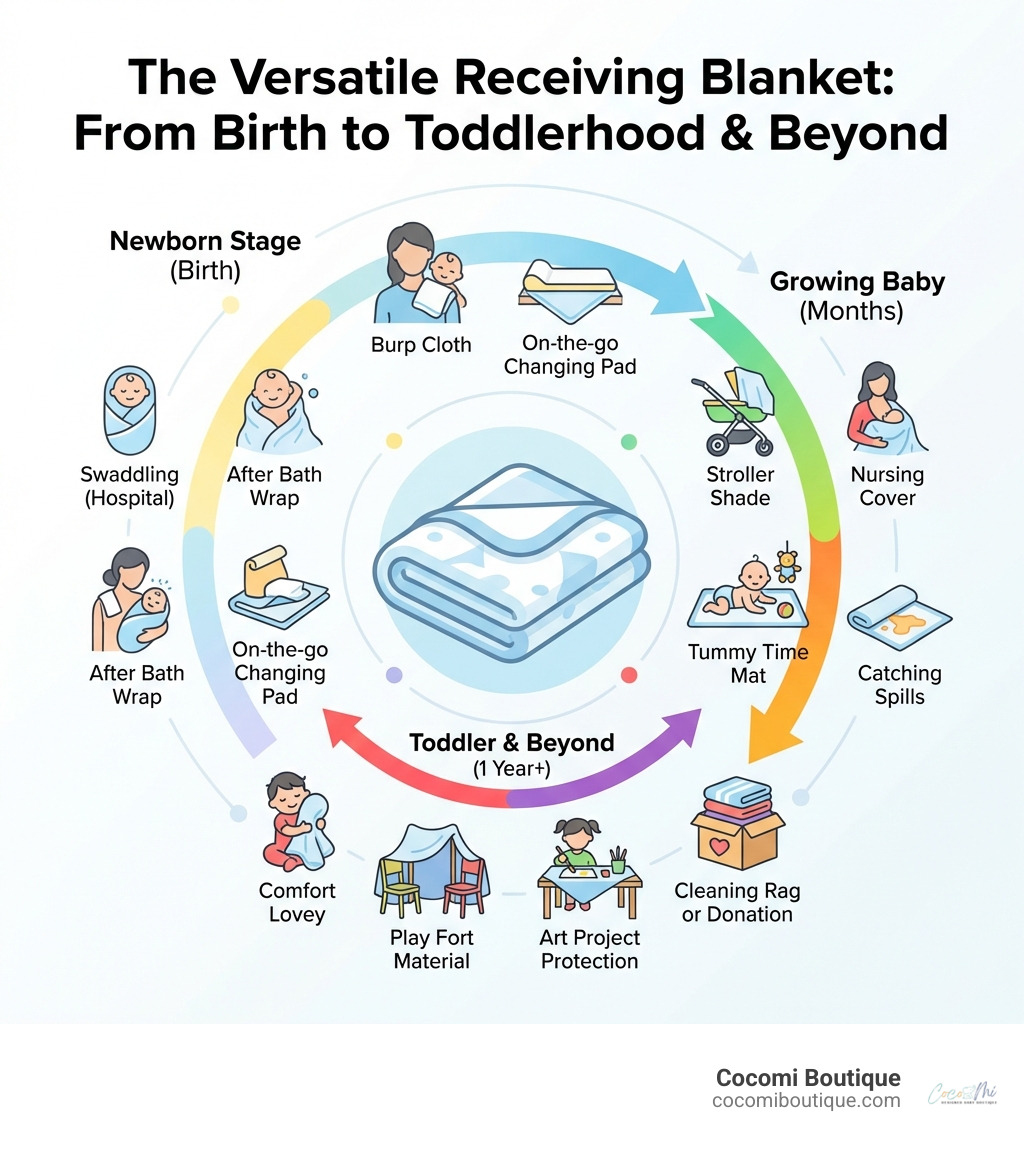
- Primary uses: Swaddling, burp cloth, nursing cover, tummy time mat, stroller cover, changing pad
Key difference from swaddle blankets: Receiving blankets are smaller and more versatile, while swaddle blankets are larger (47-inch square) and specifically designed for wrapping.
You've undoubtedly seen that iconic image—a newborn wrapped in a soft white blanket with pink and blue stripes along the edge. That's a receiving blanket, and it's often the very first blanket families use to "receive" their baby. The name comes from this tradition of wrapping newborns for parents to officially welcome their newest family member.
These simple squares of soft fabric are the unsung heroes of the nursery. While they may seem basic, receiving blankets handle everything from calming a wiggly newborn through swaddling to catching impressive projectile spit-up. They're made to withstand heavy laundering, work in various temperature conditions, and serve dozens of purposes beyond their original intent.
Parents quickly find that receiving blankets become indispensable companions—tucked into diaper bags for emergency cleanup, draped over strollers for shade, spread on the floor for impromptu tummy time, or used as a familiar comfort item. Their versatility means they continue serving families long after the newborn stage, changing into everything from toddler loveys to art project drop cloths.
I'm Monika Jarog, and through my work crafting handmade baby essentials at Cocomi Boutique, I've seen how the right receiving blanket can bring comfort and practicality to countless moments in those precious early days. My focus on 100% natural, chemical-free materials means understanding which fabrics work best for these multi-purpose blankets that touch your baby's delicate skin so frequently.
Receiving blanket terms to know:
What Is a Receiving Blanket and Why Is It a Newborn Staple?
The receiving blanket holds a special place in the journey of parenthood, often being the very first item to accept a newborn. Its name, as we've explored, comes from the sweet tradition of being the blanket in which parents "receive" their baby. Many families in the United States first encounter this iconic design—a soft white blanket with pink and blue stripes—in the hospital delivery room. This blanket, often manufactured by Medline Industries, becomes synonymous with those unforgettable first snuggles and the ride home.
Initially, a receiving blanket serves a multitude of crucial purposes in newborn care. It’s primarily used to wrap or swaddle newborns, providing a sense of security that mimics the womb. But its utility extends far beyond just swaddling. It quickly becomes an indispensable tool for parents navigating the exciting, albeit sometimes messy, world of infant care. From protecting clothing during burping sessions to providing a clean surface for tummy time, the receiving blanket proves its worth countless times a day.
The Primary Uses of a Receiving Blanket for Newborns
For newborns, the receiving blanket is truly a workhorse. Its lightweight nature and soft material make it ideal for a variety of tasks that keep our little ones comfortable and safe:
- Immediate Warmth and Drying: Right after birth, hospitals use receiving blankets to warm and dry newborns, helping them regulate their body temperature.
- Swaddling: While we'll dig deeper into the difference between receiving and swaddling blankets, a receiving blanket can effectively swaddle a newborn, helping to calm their startle reflex and promote sleep.
- Burp Cloth: Let's be honest, babies have impressive projectile spit-up skills! A generously sized receiving blanket acts as an oversized burp cloth, protecting our clothes and furniture from unexpected messes.
- Makeshift Changing Pad: When we’re out and about in places like Northbrook, IL, or Chicago, IL, a clean surface for diaper changes isn't always readily available. A receiving blanket can be spread out to create a hygienic spot for quick changes.
- Nursing Cover: For mothers who prefer modesty while breastfeeding in public, a receiving blanket offers a lightweight and breathable cover. Studies have shown that some mothers feel more discreet when using a blanket while nursing.
- Stroller Cover: On sunny days or during light drizzles, a receiving blanket can be draped over a stroller to provide shade or protection from the elements. We must always ensure adequate airflow, however.
- Kangaroo Care: For preterm infants, particularly, receiving blankets are vital. They are recommended for maintaining the infant's body heat during kangaroo care, where skin-to-skin contact is crucial for development and bonding. This practice helps support the infant's physiological stability.
- Tummy Time Mat: Laying a clean, soft receiving blanket on the floor provides a comfortable and hygienic surface for our baby’s essential tummy time.
- Light Cover for Sleep: When our little one is napping in a bassinet or stroller, a light receiving blanket can provide a gentle cover, though we must always adhere to safe sleep guidelines.
These versatile cloths are truly fundamental in the early days, acting as a comforting presence and a practical solution for countless situations. For more on finding the perfect comfort items, explore our guide on From cuddles to comfort: finding the perfect newborn blanket.
How Many Receiving Blankets Do You Need?
We often find ourselves asking, "How many of these do we actually need?" The consensus among experienced parents is that having 4 to 6 receiving blankets on hand can be incredibly useful. Given their multi-purpose nature and the frequency with which they'll be used (and therefore, laundered), a small stash ensures we always have a clean one ready.
The good news is that receiving blankets are typically inexpensive and often sold in multi-packs, sometimes for less than $10. This makes stocking up a budget-friendly option. Their durable construction means they’re made to withstand heavy use and frequent laundering, which is essential for any baby item.
To help you prepare your nursery, here's a list of essential baby layette items, with receiving blankets firmly on it:
- 4-6 receiving blankets
- 5-7 bodysuits (short and long sleeve)
- 3-5 sleepers or pajamas
- 3-5 pairs of socks or booties
- 2-3 hats (one for warmth, one for sun)
- 1-2 swaddling blankets (if preferred for swaddling)
- Burp cloths
- Diapers and wipes
- Infant car seat
- Crib or bassinet
Receiving Blanket vs. Swaddle Blanket: Decoding Your Options
When preparing for a new baby, baby blankets can seem overwhelming. Two terms often used interchangeably, yet distinct, are receiving blanket and swaddle blanket. Understanding their differences is key to making informed choices for our baby's comfort and safety.
Here's a quick comparison:
| Feature | Receiving Blanket | Swaddle Blanket |
|---|---|---|
| Size | Smaller, typically 30x40 inches or 30-inch square | Larger, typically 47-inch square |
| Material | Often thin flannel cotton, also cotton, bamboo | Typically muslin or bamboo, designed for stretch |
| Purpose | Multi-purpose: swaddling, burping, changing, cover | Primarily for swaddling |
| Shape | Usually rectangular or square | Often square, sometimes with special shapes/flaps |
| Stretch | Limited stretch, more durable | Designed to stretch for a tight wrap |
Understanding the Receiving Blanket
The receiving blanket is characterized by its smaller size and robust versatility. As noted, it typically measures around 30 by 40 inches or is a 30-inch square. This size makes it manageable for numerous tasks beyond just wrapping. The material is often a relatively thin, soft flannel cotton, known for its durability and ability to withstand frequent washing. However, they can also be found in soft cotton or breathable bamboo.
What makes the receiving blanket truly stand out is its adaptability. We can use it for:
- A light covering during warmer weather.
- A protective layer for surfaces.
- An emergency clean-up cloth.
- A privacy screen.
Its inherent durability means it's built to last through countless washes and various uses, making it a reliable staple in our baby's layette. For more insights into the incredible flexibility of these fabrics, dive into Muslin magic: unlocking all the uses for your baby's favorite blanket.
Understanding the Swaddle Blanket
In contrast, a swaddle blanket is specifically designed with swaddling in mind. These blankets are generally larger, with a standard swaddling blanket often measuring around a 47-inch square. This generous size is crucial for creating a secure, snug wrap that keeps a baby feeling safe and prevents the startle reflex from waking them.
Swaddle blankets are typically made from materials like muslin or bamboo. These fabrics are chosen for their excellent stretch, breathability, and softness, which are paramount for effectively wrapping babies of varying sizes while ensuring they don't overheat. Some swaddle blankets even come with specialized features like Velcro fasteners or uniquely designed shapes and flaps to make the swaddling process easier and more secure for parents.
While a receiving blanket can certainly be used for swaddling, especially for newborns, the dedicated swaddle blanket offers a more custom solution for this specific purpose due to its size and material properties. To learn more about these specialized blankets, check out Wrap up in comfort: everything you need to know about muslin swaddles.
How to Choose the Best Blankets: Materials, Safety, and Style
Choosing the right receiving blanket for our baby involves more than just picking a cute pattern. We need to consider materials, prioritize safety, and think about how the blanket will fit into our daily lives.
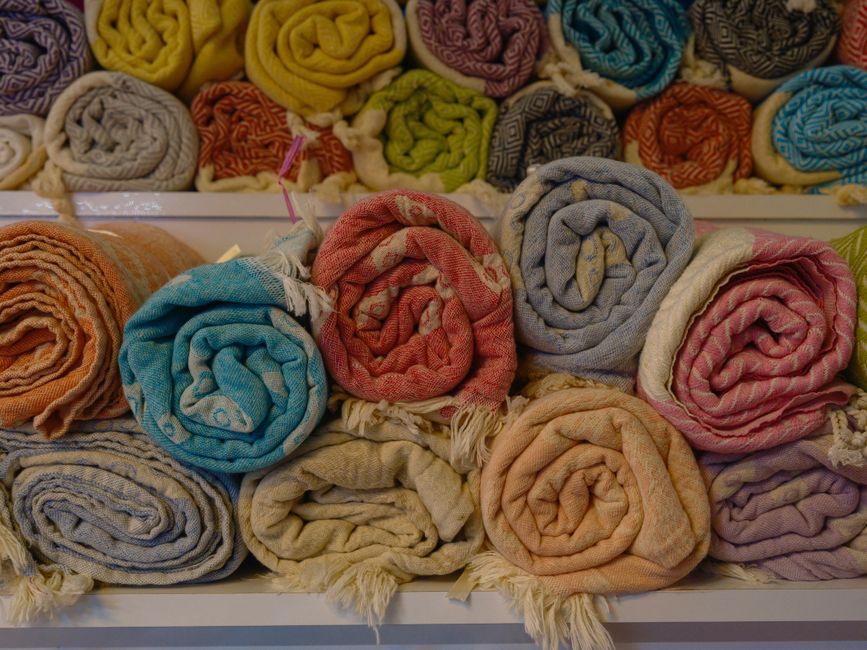
When selecting blankets, we look for durability, breathability, and the right number to keep up with our baby's needs. Having 4 to 6 receiving blankets is a good starting point, as they'll see a lot of action and frequent washing.
What Materials Are Best for Receiving Blankets?
The material of a receiving blanket directly impacts its comfort, breathability, and suitability for our baby's delicate skin. At Cocomi Boutique, we prioritize quality, care, and customer satisfaction, which means we carefully select materials that meet high standards.
- Flannel Cotton: This is the traditional choice, often associated with the iconic hospital receiving blanket. Flannel cotton is soft, cozy, and provides a good balance of warmth without being too heavy. It's durable and stands up well to repeated washing, making it a practical choice for everyday use.
- Organic Cotton: For parents seeking an eco-friendly and gentle option, organic cotton is an excellent choice. It's grown without harmful pesticides or synthetic fertilizers, making it ideal for babies with sensitive skin. Organic cotton is naturally breathable, soft, and maintains its quality over time.
- Bamboo: Bamboo fabric is renowned for its exceptional softness, breathability, and hypoallergenic properties. Its naturally smooth fibers are incredibly gentle on sensitive skin, reducing the risk of irritation. Bamboo also boasts excellent moisture-wicking capabilities, helping to regulate our baby's temperature and prevent overheating. It folds up easily, making it perfect for a diaper bag.
Both bamboo and organic cotton are fantastic choices for breathability and lightness, especially in areas like Glenview, IL, where we experience a range of temperatures. For a deeper dive into these materials, our guide Bamboo or cotton: your guide to the best organic muslin swaddles offers valuable insights. Furthermore, for the ultimate assurance of quality and sustainability, looking for certifications like GOTS (Global Organic Textile Standard) ensures that the organic cotton in our blankets meets stringent environmental and social criteria. Learn more about this in GOTS certified goodness: finding the perfect organic muslin blanket.
Key Safety Considerations
Safety is always our top priority when it comes to our little ones. While receiving blankets are incredibly versatile, it's crucial to use them correctly to ensure our baby's well-being.
- Safe Sleep Practices: The American Academy of Pediatrics recommends a bare crib for safe sleep. This means no loose blankets, bumpers, or toys in the crib with a sleeping baby, especially during the first year of life, to reduce the risk of Sudden Infant Death Syndrome (SIDS). If our baby seems cold, a sleep sack or warm pajamas are safer alternatives. Never cover our baby with a blanket in the first year of life, and never wrap blankets around their head or neck. We should also stop swaddling once our baby shows signs of rolling over, typically around 2-4 months, as a swaddled baby on their stomach can be a suffocation risk.
- Car Seat Safety: Using receiving blankets in car seats requires caution. While they can provide a light cover for warmth or shade, we must never add any bulk under or behind our baby in the car seat, as this can compromise the harness's effectiveness. Avoid placing blankets that could restrict breathing or cause overheating. Always ensure the car seat straps are snug against our baby's body.
- Stroller Use: Similar to car seats, when using a receiving blanket on a stroller, ensure it doesn't cover the entire opening, which could trap heat and reduce airflow, leading to overheating. Always supervise our baby to ensure they are not too warm and can breathe freely.
For comprehensive information on keeping our baby safe with blankets, we recommend reviewing resources like Sweet dreams: ensuring muslin blanket safety for your little one and the guidelines provided by trusted sources like Care.com's article on "What is a receiving blanket and how can parents use them?".
Beyond the Newborn Stage: Creative Uses for Your Blankets
One of the most remarkable aspects of a quality receiving blanket is its longevity. These aren't just for newborns; they evolve with our children, offering immense value long after the swaddling days are over. We find that our commitment to quality at Cocomi Boutique ensures our blankets become cherished items, built to last through every stage of childhood.
This repurposing ability highlights their long-term value and often turns them into sentimental items. Many parents keep their child's first receiving blanket as a keepsake, a tangible reminder of those precious early days.
Alternative Uses as Your Child Grows
As our children grow, their receiving blankets transform right along with them, finding new and imaginative uses:
- Comfort Object (Lovey): Many babies form strong attachments to their soft receiving blanket, turning it into a cherished comfort object or "lovey" that provides security and familiarity.
- Fort Building Material: For toddlers and preschoolers, a receiving blanket becomes an essential component in elaborate fort constructions, draped over chairs and furniture to create magical hideaways.
- Doll Blanket: Little ones love to mimic parenting roles, and a receiving blanket is the perfect size to swaddle their dolls or stuffed animals, fostering imaginative play.
- Art Project Drop Cloth: When creativity strikes, and paint or glitter comes out, a receiving blanket can protect floors and tables from messy art projects.
- Mess Catcher for Sick Days: We all know how unpredictable little ones can be when they're unwell. A receiving blanket strategically placed can save our couch or car seats from unexpected spills during a stomach bug.
Other Uses and Donations
Even beyond the immediate family, receiving blankets continue to offer utility:
- Cleaning Rags: Once they've reached the end of their baby-care life, well-worn receiving blankets make excellent soft cleaning rags around the house, perfect for dusting or polishing.
- Car Emergency Kit: Keeping a spare receiving blanket in the car can be a lifesaver for unexpected spills, impromptu picnics, or even a sudden need for a light cover.
- Donations to Animal Shelters: Many local animal shelters, including those in our Illinois communities like Deerfield, IL, or Highland Park, IL, are always grateful for donations of clean, gently used blankets. These provide warmth and comfort for animals awaiting their forever homes, giving our blankets a wonderful second life.
Frequently Asked Questions about Receiving Blankets
Navigating baby essentials can bring up many questions, and receiving blankets are no exception. Here, we address some of the most common inquiries we hear from parents.
How should I wash and care for receiving blankets?
Given their frequent use and exposure to all sorts of baby-related messes, receiving blankets are designed to be durable and withstand heavy laundering. For best results and to maintain their softness and integrity, we recommend the following:
- Machine Washable: Almost all receiving blankets are machine washable. Always check the care label for specific instructions.
- Mild Detergent: Use a mild, baby-safe, unscented detergent to prevent skin irritation.
- Warm or Cold Water: Washing in warm or cold water is generally sufficient to get them clean and helps preserve the fabric.
- Gentle Cycle: A gentle cycle can help prolong the life of the fabric, especially for softer materials like bamboo or organic cotton.
- Tumble Dry Low or Air Dry: Tumble drying on a low setting or air drying helps prevent excessive shrinkage and maintains softness.
- Preshrinking: If you're considering making your own receiving blanket or have a new one, pre-washing the fabric before its first use can help prevent shrinkage later on. This is especially true for natural fibers like cotton.
Proper care ensures that our receiving blankets remain soft, clean, and ready for all the tasks they perform, embodying our commitment to quality and lasting comfort at Cocomi Boutique.
Are receiving blankets suitable for swaddling?
Yes, receiving blankets can certainly be used for swaddling, especially for newborns. Their typical size of 30x40 inches or 30-inch square is often adequate for snugly wrapping a brand-new baby. Many hospitals in the United States, including those in the Chicago, IL area, commonly use receiving blankets to swaddle newborns.
However, as babies grow, their smaller size can become a limitation. Swaddle blankets, which are usually larger (around 47-inch square) and often made from stretchier materials like muslin, provide more fabric for a secure, long-lasting swaddle for older or larger infants.
When swaddling with a receiving blanket, ensure the wrap is snug but not too tight, allowing for hip movement, and that the blanket doesn't come undone. It's crucial to always place our baby on their back to sleep when swaddled. We must stop swaddling as soon as our baby shows signs of being able to roll over, typically between 2 and 4 months of age, as this can become a safety hazard. For a detailed guide on swaddling techniques, our article on Mastering the muslin swaddle: how to wrap your baby for sweet dreams offers helpful tips.
Can receiving blankets be used in car seats or strollers?
Yes, receiving blankets can be used in car seats and strollers, but always with extreme caution and adherence to safety guidelines.
- Light Cover for Warmth or Shade: They are excellent for providing a light layer of warmth on a cooler day or offering shade from the sun. Draping a receiving blanket over the car seat or stroller canopy can protect our baby from direct sunlight or a light breeze.
- Never Restrict Breathing: When using a blanket as a cover, always ensure there is ample airflow and that our baby's face is not obstructed. Never cover the entire opening of the car seat or stroller, as this can lead to dangerous overheating or rebreathing of exhaled air.
- Avoid Overheating: Babies can overheat easily. Always monitor our baby's temperature and ensure they are not too warm, especially in enclosed spaces or on sunny days.
- No Bulk Under Straps: Crucially, never place a receiving blanket under our baby or behind their back in a car seat, as this adds bulk that can interfere with the car seat harness's ability to properly protect our baby in a crash. The harness should always be snug against our baby's body.
When used thoughtfully, a receiving blanket can be a handy accessory for car seat and stroller outings, adding comfort without compromising safety.
Conclusion
The receiving blanket, often unassuming in its simplicity, truly earns its title as the unsung hero of baby gear. From those very first hospital snuggles to countless everyday tasks, it proves to be an indispensable companion for new parents. Its remarkable versatility allows it to transition seamlessly from a swaddle for newborns to a burp cloth, a changing mat, a nursing cover, and even a beloved comfort object as our child grows.
We've seen how these humble blankets offer long-lasting value, adapting to our family's evolving needs and often becoming cherished sentimental items. At Cocomi Boutique, our commitment to quality, care, and customer satisfaction means we understand the importance of reliable, soft, and safe baby essentials. We ensure that our blankets, crafted from 100% natural, chemical-free materials, are designed to withstand the rigors of daily life with a baby while providing the utmost comfort and style.
Whether we're navigating the early days of newborn care or starting on new adventures with a curious toddler, the receiving blanket is there, ready to provide comfort, cleanliness, and a touch of familiar softness. It’s a testament to thoughtful design and practical utility, truly accompanying our little ones from newborn snuggles to toddler adventures. Explore our range of Eco-friendly comfort: explore our organic muslin swaddle collection to find the perfect blend of softness and sustainability for your family.