

Why Every Newborn Needs a Hypoallergenic Infant Nest Cover

Newborn babies spend a significant portion of their early months resting, observing, and lounging in cozy dedicated spaces. Because an infant's skin barrier is still developing and up to thirty percent thinner than adult skin, direct exposure to synthetic fabrics, harsh chemical flame retardants, or residual textile finishes can quickly spark contact dermatitis, eczema flare-ups, and uncomfortable skin irritation. Utilizing a high-quality hypoallergenic infant nest cover creates an essential protective buffer between your baby's extra-sensitive skin and potential environmental triggers.
Beyond surface-level skin protection, a dense, natural-fiber fabric acts as a physical dust mite barrier. Microscopic allergens, pet dander, and household dust particles frequently collect inside soft foam or fiber cushions over time. A tightly woven, hypoallergenic cover prevents these airborne particles from reaching your baby's delicate respiratory system during daily lounging sessions.
Furthermore, premium natural fabrics like organic cotton promote continuous, natural airflow. Proper thermal regulation is vital during awake lounging, preventing excessive sweat build-up that often triggers prickly heat rashes and newborn fussiness. To ensure complete peace of mind, pair your cover with secure fit designs featuring elastic banding or covered envelope closures, avoiding loose fabric hazards while keeping the surface smooth, flat, and supportive.
For parents navigating early nursery setups, understanding The Truth About Newborn Snuggle Nests: Safety, Benefits, and What to Consider offers valuable insights into creating safe, serene resting spaces tailored to your baby's needs.
Key Materials and Certifications for Sensitive Newborn Skin

When selecting textiles for your newborn, the chemical makeup of the raw fabric matters just as much as its tactile softness. The ideal choice for sensitive skin is 100% organic cotton, harvested without synthetic pesticides or toxic defoliants and processed without harsh chlorine bleaches. Breathable organic cotton paired with non-toxic, eco-friendly plant dyes guarantees that your infant's skin encounters zero harmful chemical residues or heavy metals.
To dive deeper into choosing non-toxic materials for your baby's resting setup, explore The Complete Guide to Baby Nests.
Understanding OEKO-TEX and Safety Standards for a Hypoallergenic Infant Nest Cover
Not all claims of organic purity are created equal. When shopping for a reliable hypoallergenic infant nest cover, look for verifiable, third-party safety certifications that guarantee textile purity and rigorous manufacturing standards. According to textile testing standards established by OEKO-TEX, certifying fabrics for infant use requires testing against hundreds of potentially harmful substances:
- OEKO-TEX Standard 100 (Class 1): The strictest certification level designed specifically for baby items, ensuring every thread, zipper, and dye is thoroughly tested against over 350 harmful substances and allergen-inducing compounds.
- GREENGUARD Gold: Verifies that the final product meets rigorous low chemical emission standards, preventing volatile organic compounds (VOCs) from off-gassing into your home’s indoor nursery air.
- CPSIA Compliance: Ensures total compliance with Consumer Product Safety Improvement Act regulations regarding lead content, phthalates, and physical mechanical safety standards.
Waterproof vs. Breathable Fabrics: Striking the Perfect Balance
Infants are naturally prone to diaper leaks, spit-ups, and drool. However, traditional plastic or vinyl waterproofing layers trap ambient heat and create a sweaty, uncomfortable surface that can compromise your baby's resting comfort.
The modern solution lies in intelligent multi-layer construction. Premium covers utilize a soft, 100% organic cotton exterior combined with a breathable, ultra-thin Thermoplastic Polyurethane (TPU) inner lining. This non-toxic barrier blocks liquid spills from soaking into the cushion beneath while allowing air and water vapor to circulate freely. Medical guidelines from the American Academy of Pediatrics highlight the importance of maintaining an unobstructed, well-ventilated resting surface for newborn safety and thermal comfort.
To maintain perfect year-round comfort, pay close attention to ambient room temperatures and fabric warmth ratings:
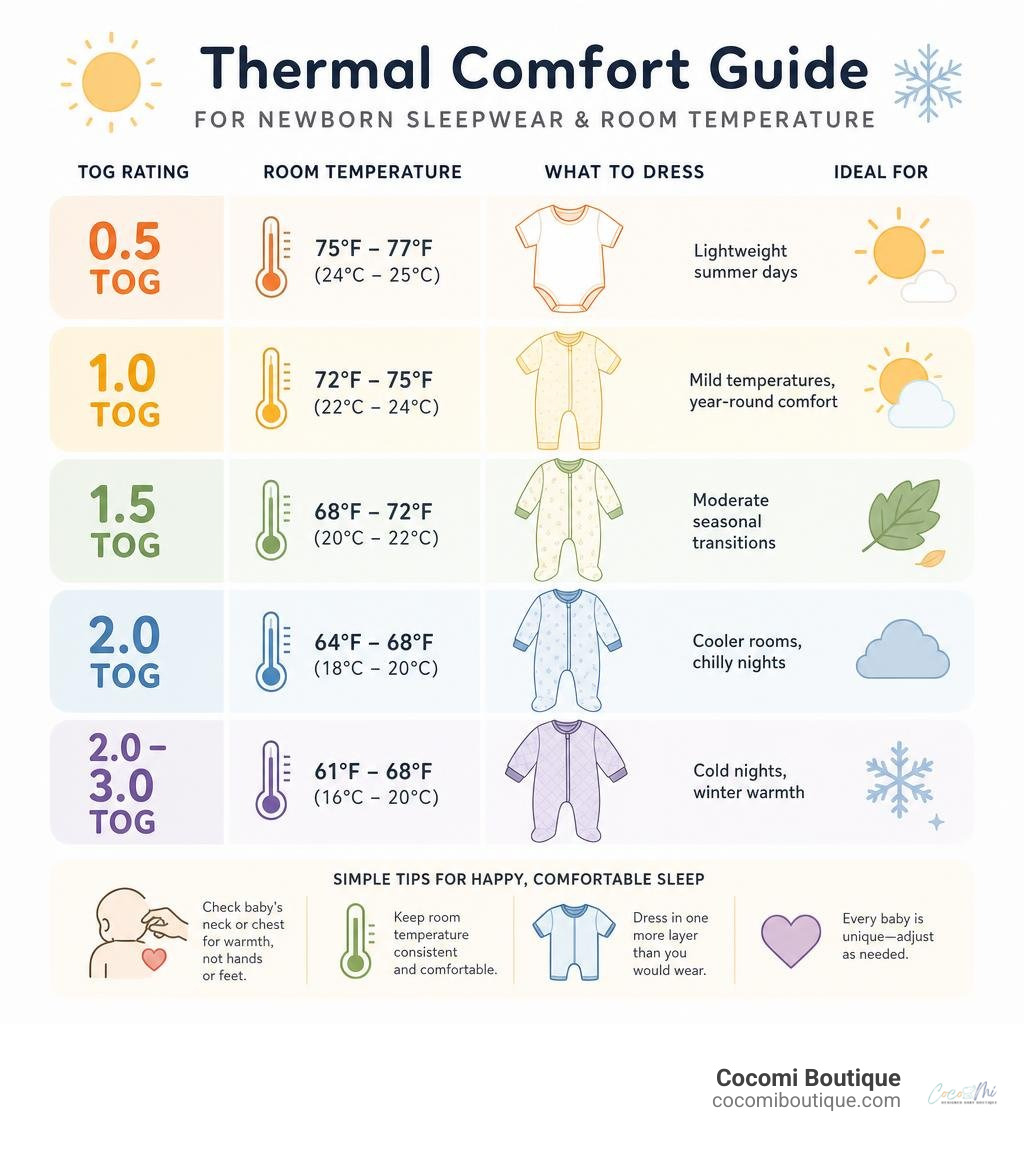
- 0.5 TOG: Ideal for warm rooms (75°F to 77°F) during warm summer months.
- 1.0 TOG: Excellent year-round option for mild nursery temperatures (72°F to 75°F).
- 1.5 TOG: Best suited for moderate seasonal transitions (68°F to 72°F).
- 2.0 TOG to 3.0 TOG: Ideal for cooler rooms or crisp winter temperatures (61°F to 68°F).
Comparing Lounger Covers: Baby Nest Cover vs. Crib Sheets and Mattress Protectors
Parents often wonder if a standard fitted crib sheet or mini-mattress cover can double as a lounger cover. While they may seem similar at first glance, tailored nest covers are engineered specifically to accommodate the deep contours, center recessed base, and elevated side bolsters of infant loungers. Loose crib sheets fail to hug these unique 3D shapes, creating dangerous fabric folds, bunching up under the baby, or slipping off entirely.
| Product Type | Specific Design Purpose | Fit Style | Hypoallergenic Protection | Waterproof Options |
|---|---|---|---|---|
| Baby Nest Cover | Tailored specifically for contoured loungers and nests | Envelope zip or custom snug contour fit | High (100% Organic Cotton / OEKO-TEX) | Optional internal TPU layer |
| Standard Crib Sheet | Flat rectangular crib mattress coverage | Elastic edges for flat rectangular surfaces | Medium to High depending on material | Rare (requires separate protector) |
| Mattress Protector | Under-sheet fluid barrier for cribs | Flat fitted skirt or pad design | Medium (focused primarily on fluids) | Common (often vinyl or TPU backed) |
Using a custom-contoured cover ensures that the lounging surface remains taut, flat, and comfortably aligned with your baby's body. For an in-depth breakdown on choosing between traditional crib bedding and portable loungers, read our article Beyond the Crib: Discovering the Perfect Nest for Your Newborn.
Selecting the Right Fit for Your Hypoallergenic Infant Nest Cover
A proper fit is crucial for both infant safety and tactile comfort. Look for covers constructed from flexible jersey knit organic cotton or those sewn with precise dimensional measurements matching standard loungers (typically around 30 inches by 18 inches).
Investing in high-quality covers ensures your baby always rests on chemical-free surfaces. Many boutique retailers now offer flexible buy-now-pay-later financing options, making it simple to invest in multiple replacement covers without stretching your nursery budget. Keeping two or three matching covers on hand guarantees you always have a fresh, clean surface ready during unexpected midnight spill cleanups.
Care and Eco-Friendly Practices for Lasting Hygiene

To keep your hypoallergenic infant nest cover soft, pristine, and completely allergen-free over months of daily use, following proper laundering protocols is key:
- Pre-Treat Spills: Spot-clean minor milk spills, drool, or residue immediately with mild, fragrance-free baby soap and lukewarm water.
- Washing Cycle: Machine wash on a gentle cycle using cool or warm water (100°F/40°C is ideal for dissolving natural skin oils and effectively removing dust mite allergens).
- Detergent Selection: Choose plant-based, dye-free, and hypoallergenic liquid laundry detergents specifically formulated for sensitive newborn skin. Avoid synthetic fabric softeners and harsh chemical bleaches, which coat organic fibers, reduce absorbency, and leave irritating chemical residues behind.
- Drying: Tumble dry on low heat settings or line-dry in natural sunlight for eco-friendly, natural antimicrobial freshening.
Supporting eco-friendly baby brands also means supporting sustainable organic farming. Chemical-free, hand-harvested cotton protects local farming ecosystems, consumes significantly less water than conventional cotton, and yields durable long-staple fibers that withstand hundreds of wash cycles without losing softness or structure.
For additional tips on maintaining clean, hygienic nursery environments, check out our comprehensive guide on Safe Sleep Lounger practices.
Frequently Asked Questions About Infant Nest Covers
Can I use a nest cover on different lounger brands?
Yes! Many replacement covers feature universal sizing made from stretchable cotton jersey or flexible cotton muslin. As long as your lounger dimensions match standard newborn nest measurements (approximately 29-31 inches in length and 17-19 inches in width), a high-quality elasticized or envelope cover will conform smoothly to the cushion contours without dangerous sagging.
How often should a lounger cover be washed?
We recommend washing your baby's lounger cover at least once a week as part of your regular nursery routine, and immediately whenever spit-ups, drool, or diaper leaks occur. Having two or three spare covers ready in your nursery organizer ensures your baby never has to wait for laundry cycles to finish.
What is the difference between a swaddle and a lounger cover?
A swaddle is a soft fabric blanket wrapped snugly around a newborn's body to gently restrain arms and soothe the startle reflex during sleep transitions. A lounger cover is a tailored, protective fabric case designed to fit directly over an awake lounger cushion, providing a clean, hygienic, and hypoallergenic surface for supervised lounging, bonding, and tummy time.
Conclusion

Investing in a high-quality hypoallergenic infant nest cover is an effortless way to shield your newborn's delicate skin from synthetic irritants while bringing practical elegance and peace of mind to your daily routine. At CocoMi Baby Boutique, our family-owned brand is dedicated to crafting beautiful, 100% natural organic cotton essentials certified to standard-setting European safety guidelines.
Explore our complete collection of handcrafted baby nests, organic swaddles, Moses baskets, and nursery essentials to create a serene, safe environment for your little one. For more expert parent guides and safe sleep insights, visit the CocoMi Baby Boutique Journal.