

Why Keeping Your Baby Warm Outdoors Matters
A baby footmuff is a cozy, bag-like accessory that attaches to your stroller or infant car seat to keep your little one warm during cold weather. Here's what you need to know:
Quick Answer: What is a Baby Footmuff?
- A specialized insulated cover that envelops your baby from shoulders to toes
- Attaches directly to stroller harness straps or car seat for secure fit
- Provides superior warmth compared to blankets (which babies easily kick off)
- Features weather-resistant outer shells and soft, insulated linings
- Available in universal fit or brand-specific designs
Any parent who has tried tucking a blanket around their baby in a stroller only to find it kicked off or tangled in the wheels knows the struggle is real. Keeping babies warm isn't just about comfort—it's essential for their health and safety.
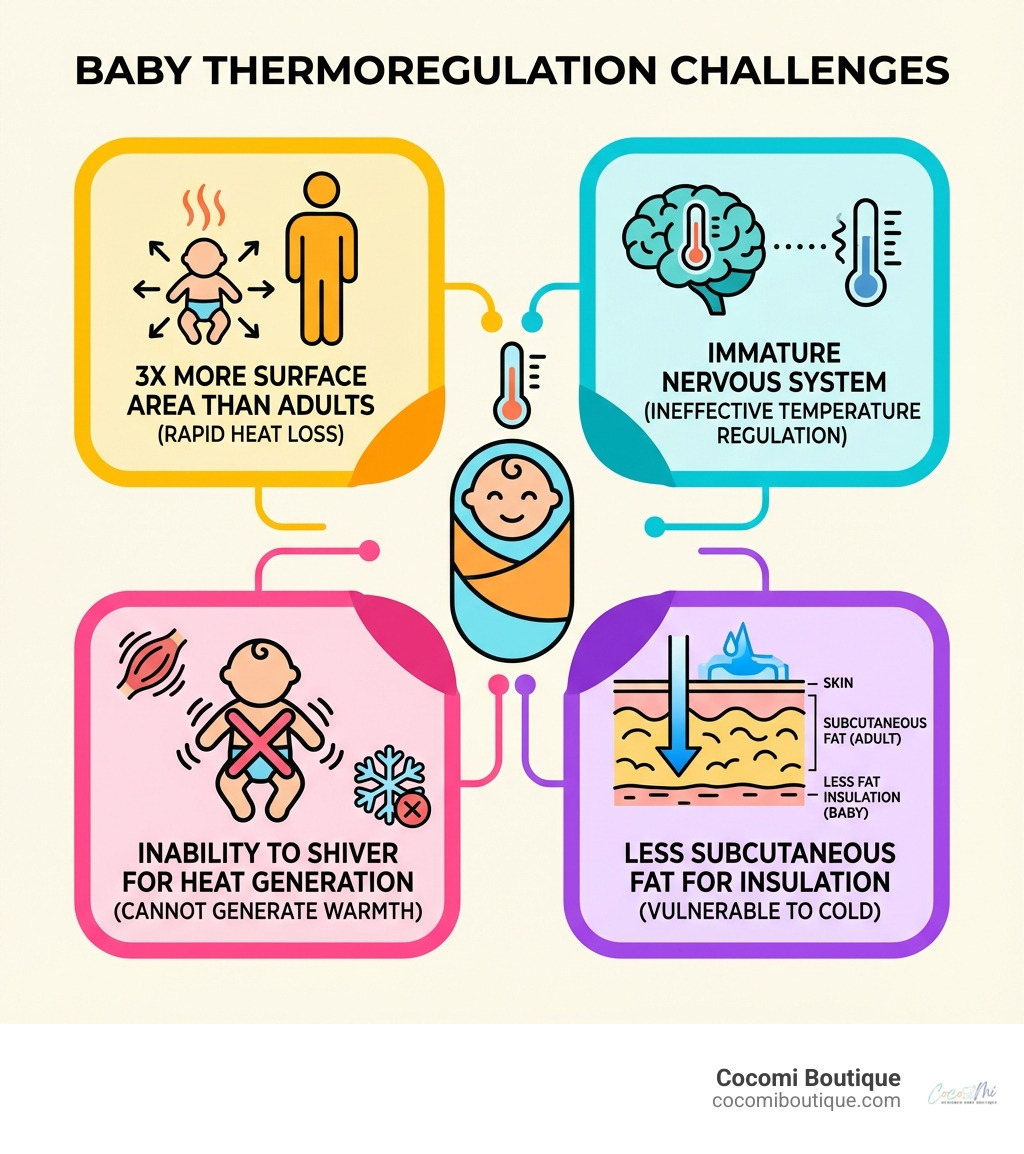
Unlike adults, babies face unique challenges when it comes to temperature regulation. They have three times as much surface area on their bodies as adults, which means they lose heat rapidly. Young infants also have an immature thermoregulatory system, making it difficult for them to keep themselves warm in the cold. To make matters more challenging, babies can't shiver to generate heat and have less subcutaneous fat than adults, leaving them vulnerable in chilly conditions.
This is where a quality footmuff becomes invaluable. Rather than wrestling with blankets that slip and slide, a footmuff stays securely in place, providing consistent warmth and protection from wind, rain, and snow.
I'm Monika Jarog, and through years of crafting premium baby essentials from natural materials, I've seen how the right baby footmuff transforms winter outings from stressful to enjoyable for both parents and babies. My focus on combining comfort, safety, and thoughtful design has shown me exactly what features matter most when choosing this essential accessory.
Baby footmuff terms simplified:
What is a Baby Footmuff and Why Does Your Little One Need One?
Imagine stepping out for a crisp autumn walk in Northbrook, IL, or navigating the busy streets of Chicago in winter. While you might layer up with a heavy coat, scarf, and gloves, your little one needs specialized protection. This is precisely what a baby footmuff provides. It's essentially a snug, insulated sleeping bag designed to fit perfectly into your baby's stroller or car seat, keeping them toasty from head to toe.
Why are footmuffs so beneficial, especially for our tiniest residents in places like Deerfield or Glenview where winters can be quite cold? It all comes down to how babies regulate their body temperature. As Lucy Chapin, RN, CNM, explains, "Babies have three times as much surface area on their bodies as adults, which translates into babies rapidly losing heat." This means they're much more susceptible to feeling the cold quickly.
Adding to this challenge, young infants have an immature thermoregulatory system, making it difficult for them to keep themselves warm. As Jenelle Ferry, MD, a board-certified neonatologist, points out, babies also can't shiver to generate heat and possess less subcutaneous fat than adults. These factors combined mean that our little ones struggle significantly more than we do to maintain their core temperature in chilly environments.
This is where the footmuff shines, offering a superior solution compared to traditional blankets. While a blanket might provide some initial warmth, it's easily kicked off by active little legs or slips down, leaving your baby exposed to the elements.
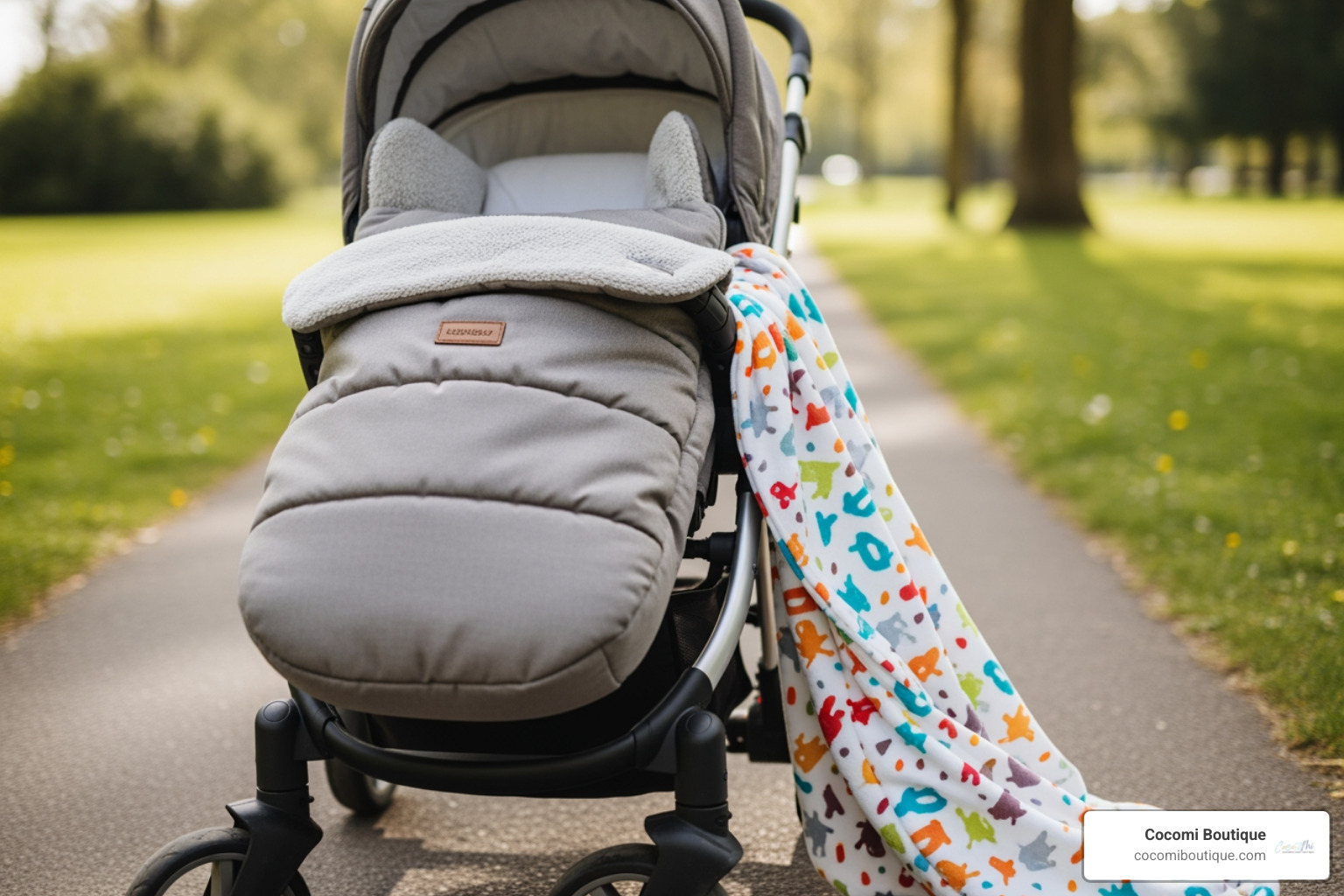
A baby footmuff, on the other hand, securely attaches to the stroller or car seat harness, ensuring constant coverage. This secure fit means:
- Consistent Warmth: No more worrying about blankets falling off, leaving tiny feet and legs exposed to the cold wind whipping through Highland Park.
- Improved Safety: Unlike loose blankets that can pose a suffocation risk, a properly installed footmuff allows the harness to function as intended, keeping your baby secure.
- Weather Protection: Most footmuffs feature a windproof and water-resistant outer shell, shielding your baby from chilly gusts and unexpected drizzles during your strolls through Winnetka or Buffalo Grove. This protective layer is a game-changer for outdoor adventures, whether it's a light rain or a flurry of snow.
A baby footmuff acts as a personal, portable cocoon for your little one, providing the warmth, comfort, and protection they need to safely enjoy the outdoors, no matter the weather. It allows us to extend our adventures beyond just the warmest days, ensuring our babies are snug and happy.
Key Features to Consider When Choosing Your Footmuff
Choosing the right baby footmuff can feel a bit like selecting the perfect sleeping bag for an expedition – you need to consider the climate, your lifestyle, and, most importantly, your baby's age and comfort. We want to ensure that our little ones in Riverwoods or Prospect Heights are always cozy, whether it's a brisk morning walk or a snowy afternoon outing. Think of this as your essential buyer's guide to finding the ideal footmuff for your family.
For a deeper dive into making the best choice, we've put together a parent's essential guide to footmuffs.
Material and Insulation
The materials used in a baby footmuff are crucial for its effectiveness. We look for a combination of durable outer shells and soft, insulating inner linings to provide optimal comfort and protection.
- Outer Shell Fabrics: These are typically made from water-resistant or waterproof materials to shield against rain, snow, and wind. Look for durable fabrics that can withstand daily use and the occasional splash during your travels around Illinois.
-
Inner Lining Options: This is where the cozy factor comes in!
- Fleece: A popular choice for its softness, warmth, and breathability. It's excellent for cooler temperatures.
- Organic Cotton: For those who prioritize natural fibers against their baby's skin, organic cotton offers a gentle, breathable option, often used in less extreme cold.
- Shearling or Faux Fur: Offers luxurious warmth and a plush feel, ideal for very cold climates like a typical Illinois winter.
-
Insulation Types: The filling inside the footmuff determines its warmth level.
- Synthetic Fill: Often made from polyester fibers, synthetic insulation is hypoallergenic, retains warmth even when damp, and is generally easy to care for.
- Down Fill: Known for its superior warmth-to-weight ratio, down is incredibly insulating but can be more expensive and requires specific care.
- Sheep's Wool: A natural insulator that helps regulate temperature, keeping babies warm in cold and comfortable in milder conditions.
- Yak Wool: For those seeking ultimate luxury and performance, yak wool stands out. It's said to be more luxurious than other wools due to its finer quality from high-altitude living. Yak wool is incredibly effective, being 20% warmer than Merino wool and as strong as cashmere. Its hollow, tube-like fibers trap air, contributing to its exceptional warmth-weight ratio.
When considering temperature ratings, some footmuffs are designed for specific temperature ranges, while others boast all-season versatility with removable layers. For more options to keep your little one extra warm, explore our warm pram liners and sleeping bags.
Fit, Compatibility, and Types of Baby Footmuff
Ensuring a proper fit is paramount for both safety and comfort. A footmuff that doesn't fit correctly can compromise the safety harness or leave gaps for cold air to seep in.
-
Universal Fit vs. Brand-Specific Models:
- Universal Footmuffs: Many footmuffs are designed with a "universal fit," featuring multiple harness slots to accommodate various stroller brands. These are a great versatile option for parents who might switch strollers or have multiple.
- Brand-Specific Footmuffs: Some stroller brands offer footmuffs designed specifically for their models. These often provide a seamless look and a perfectly custom fit, ensuring optimal performance and aesthetics. We understand the importance of compatibility, and our products are designed to integrate smoothly with a wide range of strollers.
- Harness Slots: A key feature for compatibility and safety. Footmuffs should have openings that allow you to thread your stroller or car seat's safety harness straps through them. This ensures your baby is securely fastened directly to the seat, not just nestled in the footmuff.
-
Types of Baby Footmuffs:
- Stroller Footmuffs: These are the most common type, designed for use in pushchairs and prams. They typically have a full back panel and slots for a 3- or 5-point harness.
- Infant Car Seat Covers: Specifically designed for infant car seats, these are crucial for cold weather travel in areas like Glencoe or Winnetka. The safest car seat covers are often "shower cap" style, meaning they go over the top and sides of the car seat without creating any layers between your baby and the harness straps. The American Academy of Pediatrics (AAP) cautions that you should only use a car seat cover if it does not have a layer under your baby, as bundling products are not safe if they create any layers between the child's body and the car seat. This is vital for ensuring the harness remains snug and effective in a collision. For more on safe travel in colder months, check out our top picks for infant car seat covers.
- Size and Length: Consider your baby's age and how long you intend to use the footmuff. Many footmuffs offer "grow-with-me" features, such as extendable sections or adjustable lengths, allowing them to adapt from infancy through toddlerhood. This means you can get more use out of your investment as your child grows. Some footmuffs, for example, are designed to be used from birth up to at least age 3.
Adjustability and Versatility
A truly great baby footmuff offers more than just warmth; it provides versatility to adapt to changing weather conditions and your baby's preferences.
- Extendable Sections: As mentioned, some footmuffs can be lengthened, making them suitable for growing toddlers. This feature adds significant value and extends the product's lifespan.
- Adjustable Hoods: A pull-tie hood can be cinched to provide extra protection for your baby's head and ears against cold winds, much like a cozy jacket hood.
- Removable Layers: Some footmuffs feature inner linings or top sections that can be zipped off, changing a heavy winter footmuff into a lighter pram liner for milder days. This makes them suitable for all-season use, from a chilly spring morning in Deerfield to a cold winter day in Northfield.
- Dual Zippers: Zippers that open from both the top and bottom allow for easy temperature regulation. You can ventilate the foot area if your baby's feet get too warm or allow muddy boots to stick out without soiling the entire interior.
- Ventilation Options: Beyond dual zippers, some footmuffs may have other features to allow for airflow, preventing overheating.
- Conversion to a Liner: Many footmuffs are designed so that the top portion can be completely removed, leaving the bottom as a soft, padded liner for the stroller seat during warmer months.
- Clever Access Points: Features like a chest opening allow for easy access to your baby without fully unzipping the entire footmuff. Some even include a "kangaroo pouch" for little hands to stay warm or a specific bottom opening for muddy boots, making cleanup a breeze after a playground visit in Wheeling.
For a comprehensive understanding of all the adjustable features available, we recommend reading the ultimate guide to selecting a baby footmuff.
Safety, Installation, and Maintenance
We understand that for parents in places like Glenview, Glencoe, or Highland Park, safety is always the top priority. A baby footmuff is a fantastic accessory, but use it correctly to ensure your little one's well-being. Proper usage, secure installation, and thoughtful maintenance will provide peace of mind and extend the life of your footmuff.
Ensuring a Safe and Secure Baby Footmuff
- Correct Installation and Harness Security: The most critical safety aspect is ensuring that the footmuff does not interfere with the proper functioning of your stroller or car seat harness. Always thread the harness straps directly through the designated slots in the footmuff. Your baby should be securely fastened with the harness, just as they would be without the footmuff. The harness should remain snug against their body, allowing no more than two fingers to fit between the strap and your baby's collarbone. A footmuff with non-slip backing can help keep it securely in place, preventing shifting that could compromise harness fit.
- Car Seat Safety Rules: As we highlighted, for infant car seats, the American Academy of Pediatrics (AAP) advises against any bulky layers between your baby and the car seat harness. This means that a footmuff designed for a car seat should ideally be a "shower cap" style cover that goes over the outside of the seat, or be thin enough to not interfere with the harness. Always consult the car seat manufacturer's guidelines and the AAP's recommendations for winter car seat safety tips. The goal is to keep your baby warm without compromising the snugness of the harness, which is crucial for crash protection.
- Preventing Overheating: While we want our babies warm, overheating is a serious concern. Babies have an immature thermoregulatory system, so they can't easily cool themselves down. Always monitor your baby's temperature by checking their neck or back. If they feel sweaty, remove a layer or open the footmuff. Ensure there's adequate air circulation around their face, and the footmuff leaves their head fully accessible with plenty of breathing room.
- Material Certifications: Look for footmuffs with certifications like OEKO-TEX Standard 100. This certification means that every component of the textile product has been tested against over 1,000 harmful regulated and unregulated chemicals, ensuring it is safer for human health and the environment. This offers an extra layer of reassurance that the materials touching your baby's delicate skin are free from harmful substances.
When to Use and How to Install
Knowing when and how to use your baby footmuff will maximize its benefits.
- Appropriate Age Range: Footmuffs can generally be used from infancy through toddlerhood. For newborns, especially in chilly climates like Chicago or Northbrook, a footmuff designed for infant car seats is ideal. Once your baby can sit upright in a stroller (around 6 months), a stroller footmuff becomes a perfect accessory. Many footmuffs are designed to grow with your child, often accommodating them up to 3 years old.
-
Step-by-Step Installation Guide (General):
- Lay the Footmuff: Place the footmuff flat on the stroller or car seat.
- Locate Harness Slots: Identify the openings for the shoulder, waist, and crotch straps on the footmuff.
- Thread Straps: Carefully thread each strap of your stroller or car seat harness through the corresponding slot in the footmuff. Ensure the straps lie flat and are not twisted.
- Secure Baby: Place your baby in the seat and buckle the harness as usual, making sure it's snug against their body.
- Adjust: Zip up the footmuff and adjust any drawstrings or hoods for optimal warmth and comfort.
- Outdoor Use Only: Footmuffs are designed for outdoor use. Never leave your baby in a footmuff indoors or in a heated car for extended periods, as this can lead to overheating. Always remove your baby from the footmuff when you come inside.
Cleaning and Storing Your Footmuff
Keeping your baby footmuff clean and well-maintained is key to its longevity and hygiene.
- Machine-Washable Materials: Many modern footmuffs are designed for convenience and are machine-washable. Always check the care label for specific instructions, but typically, a gentle cycle with cold water and a mild detergent is recommended.
- Wipe-Clean Foot Panels: Some footmuffs include interior foot panels made from wipeable plastic or fabric, which are incredibly handy for cleaning up after muddy shoes or minor spills. This feature saves you from having to wash the entire footmuff as frequently.
- Care for Special Fabrics: If your footmuff features delicate materials like yak wool, sheep's wool, or down, it might require special care, such as hand washing or specific detergents (e.g., wool cycle at 30°C with a special wool detergent, no spinning or wringing).
- Air Drying: To preserve the integrity of the insulation and fabrics, air drying is often preferred over machine drying. Hang the footmuff in a well-ventilated area, and if it has a down or wool filling, gently fluff it periodically as it dries to prevent clumping.
- Proper Off-Season Storage: When the colder months pass, ensure your footmuff is thoroughly clean and dry before storing it. Store it in a breathable bag in a cool, dry place to prevent mildew and maintain its condition for the next cold season.
Frequently Asked Questions
We know you have questions, and we're here to provide clear, helpful answers to ensure you feel confident and informed about your baby footmuff choices.
Can I use a stroller footmuff in a car seat?
Generally, no, it's not recommended to use a standard stroller footmuff in a car seat. The primary concern is safety. Stroller footmuffs are often designed with a thicker back panel or additional padding that can create a gap between your baby and the car seat's harness. This gap compromises the harness's ability to properly restrain your child in the event of a crash.
As the American Academy of Pediatrics (AAP) guidelines emphasize, there should be no layers or bulk between your baby and the car seat harness. For car seats, we recommend using covers specifically designed for them, often referred to as "shower cap" style covers. These covers fit over the top and sides of the infant car seat like a hood, providing warmth without interfering with the harness integrity. This ensures your baby remains securely fastened directly to the car seat, which is crucial for their safety during travel.
How should I dress my baby inside a footmuff?
The key here is avoiding overdressing, even on the coldest days in Wheeling or Prospect Heights. A baby footmuff is essentially an extra layer of insulation, so you'll need to adjust your baby's clothing accordingly.
Think in breathable layers:
- Base Layer: Start with a simple, breathable bodysuit or lightweight pajamas.
- Mid-Layer: Add a light outfit, like a long-sleeved top and pants.
- Outer Layer (Optional): If it's extremely cold, a thin fleece suit or sweater might be appropriate, but be cautious not to add too much bulk.
The footmuff itself acts as the primary outer layer. Always check your baby's temperature regularly by feeling their neck or back. If they feel sweaty, remove a layer or open the footmuff slightly for ventilation. The goal is for them to be comfortably warm, not overheated. For more detailed guidance, our guide to dressing baby for a footmuff adventure offers excellent advice.
Are footmuffs better than snowsuits in a stroller?
Both footmuffs and snowsuits aim to keep your baby warm, but they offer different advantages, especially for stroller use in cold climates like ours in Illinois.
Footmuff Benefits:
- Easy Temperature Regulation: One of the biggest advantages of a baby footmuff is the ease with which you can regulate your baby's temperature. If you pop into a warm store or coffee shop in Northfield, you can simply unzip the footmuff without disturbing your sleeping baby. This prevents overheating, which can happen quickly in a bulky snowsuit.
- Prevents Overheating Indoors: A snowsuit, once on, is a commitment. If you're going in and out of heated spaces, your baby can quickly become too warm, leading to discomfort and fussiness.
- No Harness Fit Issues: With a footmuff, your baby is dressed in lighter layers underneath, allowing the stroller harness to fit snugly and safely. Snowsuits, due to their bulk, can prevent the harness from being tightened properly, compromising safety.
- Less Hassle: No wrestling a squirming baby into a bulky suit every time you go out. Just pop them in, buckle up, and zip the footmuff.
Snowsuit Considerations:
- Bulkiness: Snowsuits add significant bulk, which can interfere with the proper fit of stroller and car seat harnesses.
- Limited Adjustability: Once your baby is in a snowsuit, it's hard to adjust their warmth level without taking the entire suit off.
- Best for Active Play: Snowsuits are generally better suited for babies who are walking and playing directly in the snow, providing full-body protection for active outdoor time.
For stroller use, especially if you're frequently transitioning between indoor and outdoor environments, a baby footmuff often offers more convenience and better temperature regulation than a snowsuit. For extremely cold conditions, you might consider a thin, non-bulky snowsuit underneath a footmuff, but always ensure the harness can still be tightened properly.
Conclusion: The Perfect Accessory for Cozy Adventures
As parents, we constantly strive to provide the best for our little ones, ensuring their comfort and safety in every season. Here in Illinois, where we experience the full spectrum of weather, from crisp autumn days to snowy winters, a baby footmuff emerges as an indispensable accessory for families in Northbrook, Chicago, Deerfield, and beyond.
We've explored how a footmuff offers superior warmth and protection compared to traditional blankets, addressing babies' unique thermoregulatory challenges. We've also highlighted the key features to consider, from the insulating power of yak wool and organic cotton linings to the practicalities of universal fit, adjustable hoods, and easy-clean panels. Most importantly, we've emphasized the critical safety aspects, particularly regarding harness compatibility and preventing overheating, ensuring your peace of mind during every outing.
A quality baby footmuff is a smart investment. It transforms cold-weather outings from a potential source of stress into delightful, cozy adventures for you and your baby. It's about providing consistent warmth, reliable protection from the elements, and the sheer convenience that allows you to accept the outdoors, creating cherished memories no matter the temperature.
At Cocomi Boutique, we are committed to providing soft, stylish, and comfortable baby essentials that meet the highest standards of quality and care. We understand the needs of modern families and design our products to simplify your life while keeping your little one wonderfully snug.
Ready to make your winter strolls more enjoyable and worry-free? Explore our 3-in-1 footmuff and other baby winter essentials and find the perfect blend of comfort, safety, and style for your baby's next adventure.