

Introduction: The Comfort of the Swaddle

A swaddling blanket is a lightweight, breathable piece of fabric—typically made from muslin, cotton, or bamboo—designed to wrap snugly around your newborn, mimicking the secure feeling of the womb and helping them sleep more peacefully.
Quick Guide to Swaddling Blankets:
- What it does: Recreates the womb's snug environment, calming your baby and reducing startle reflex
- Best materials: Breathable muslin, organic cotton, or bamboo for temperature regulation
- Key safety rule: Always place swaddled babies on their back to sleep
- When to stop: As soon as your baby shows signs of rolling over (typically 2-4 months)
- Hip-healthy fit: Ensure legs can bend up and out, never wrapped straight and tight
Bringing your baby home is exciting, but figuring out how to keep them cozy, safe, and comfortable can feel overwhelming at first. Swaddling has been used for thousands of years as a proven technique to soothe newborns. By wrapping your infant snugly in a blanket, you're helping them feel secure while promoting better sleep—both for them and for you during those exhausting early weeks.
The practice works because it prevents your baby's startle reflex (called the Moro reflex) from waking them up. It also stops those tiny hands from scratching their delicate face and provides gentle pressure that many babies find calming. Research shows that swaddling can increase the amount of REM sleep newborns get and help settle babies who are overstimulated or colicky.
But not all swaddling is created equal. The way you swaddle matters just as much as whether you swaddle. Wrapping too tightly around the hips can lead to hip dysplasia, while loose fabric poses a suffocation risk. Choosing the wrong material can cause your baby to overheat, and continuing to swaddle past the point when your baby starts rolling can increase the risk of SIDS.
I'm Monika Jarog, and I've spent years designing handcrafted baby essentials from 100% natural, chemical-free materials—including premium swaddling blankets that meet the highest European safety standards. Through working with countless new parents, I've learned that the right swaddling blanket, combined with proper technique, transforms those difficult early nights into peaceful sleep for the whole family.
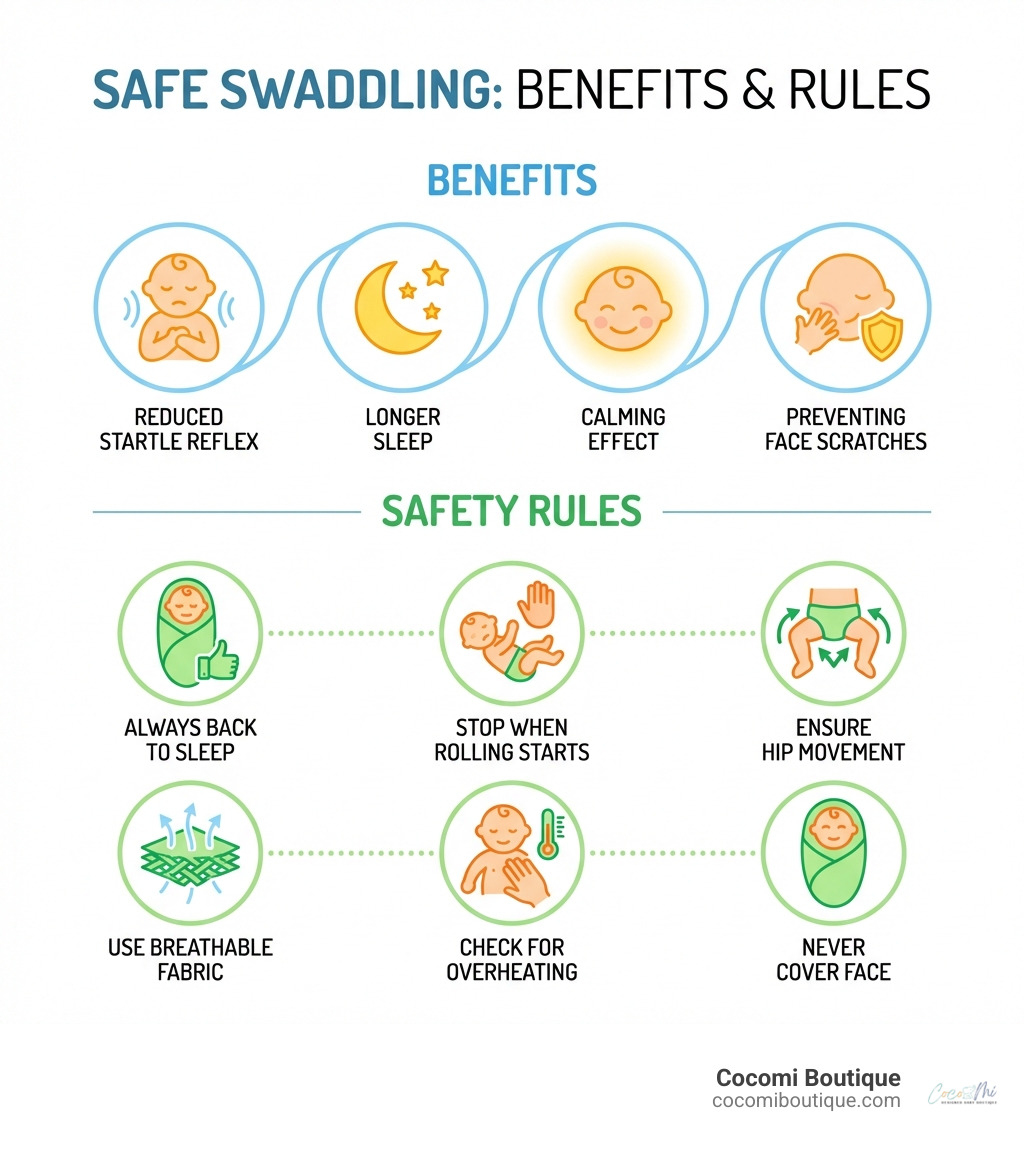
Swaddling blanket basics:
The Science and Serenity: Why Swaddle Your Baby?
The magic of the swaddling blanket lies in its ability to recreate the familiar, snug environment of the womb. For thousands of years, parents have instinctively wrapped their newborns, knowing it brings comfort. Now, science backs up this age-old practice, revealing several key benefits that make swaddling a valuable tool for new parents.
One of the most significant advantages is its power to calm fussiness and reduce colic symptoms. A securely swaddled baby often feels more settled, less irritable, and cries less. This is partly due to the gentle pressure of the wrap, which can be incredibly soothing.
Another major benefit is preventing the startle reflex, also known as the Moro reflex. This involuntary reflex causes newborns to suddenly throw back their heads, extend their arms and legs, and then quickly bring them back in, often startling themselves awake. By gently restricting arm movement, a swaddling blanket helps keep this reflex from disrupting your baby's precious sleep.
Swaddling can also promote longer and more sound sleep. Babies wake frequently for safety and developmental reasons, such as feeding. However, research suggests that swaddling appears to increase the amount of rapid eye movement (REM) sleep newborns get. While recent studies suggest that babies may sleep so soundly while swaddled that they might reduce their ability to wake if something is wrong, this is often balanced by the immediate benefits of a calm, sleeping baby. When done correctly and safely, swaddling can help babies sleep more soundly for longer stretches.
Beyond sleep, swaddling serves practical purposes. It can stop newborns from hitting themselves in the face and scratching themselves before they learn to control their arms. This prevents accidental scratches and allows their delicate skin to heal. Furthermore, swaddling can settle babies when they're overstimulated by the new world around them, providing a sense of security that helps them process sensory input. We've also observed that swaddling can help babies cope with pain and discomfort, with studies showing that babies swaddled during procedures like heel sticks and weighing were less distressed than unswaddled infants.
Here's a quick list of the key benefits we've found for using a swaddling blanket:
- Calms Fussiness and Reduces Colic: Mimics the womb's snugness, providing comfort.
- Prevents Startle (Moro) Reflex: Keeps involuntary arm movements from waking your baby.
- Promotes Longer, Sounder Sleep: Helps babies feel secure, potentially increasing REM sleep and extending sleep periods.
- Prevents Self-Scratching: Protects delicate skin from accidental scrapes.
- Soothes Overstimulated Babies: Offers a secure feeling amidst new sensory experiences.
- Helps Cope with Pain/Discomfort: Gentle pressure can provide a calming effect during minor procedures or discomfort.
- Keeps Babies Warm: Provides a cozy layer, especially important for newborns who can't regulate their temperature well.
The Ultimate Guide to Safe Swaddling
While the benefits of swaddling are clear, ensuring your baby's safety is always our top priority. The American Academy of Pediatrics (AAP) supports swaddling when done correctly, emphasizing safe practices to prevent risks. Let's explore how to swaddle safely, what precautions to take, and what mistakes to avoid. For an even deeper dive into safe practices, explore The ultimate guide to safe swaddling for newborns on our blog.
One of the most critical rules is to always place your swaddled baby on their back to sleep. This is paramount for SIDS prevention. Babies who sleep on their stomachs are at a higher risk for Sudden Infant Death Syndrome (SIDS). A properly swaddled baby, placed face up, is less likely to shift during sleep and end up on their stomach. However, the risk for sleep-related death increases if an infant is swaddled and placed on the side or stomach. Therefore, always ensure your baby is on a firm sleep surface, free of loose bedding or soft objects. For more information on safe sleep, you can refer to A Parent's Guide to Safe Sleep.
Overheating is another significant risk associated with swaddling. Swaddling can increase the chance your baby will get too hot, which is a risk factor for SIDS. Always monitor for signs of overheating like sweating, damp hair, flushed cheeks, heat rash, or rapid breathing. Use a light, breathable swaddling blanket material and adjust clothing layers underneath based on the room temperature.
How to Swaddle: The Diamond Method Step-by-Step
Learning how to properly use a swaddling blanket is a skill that comes with practice, but with our step-by-step guide, you'll be a pro in no time! The diamond method is a popular and effective way to create a secure "baby burrito."
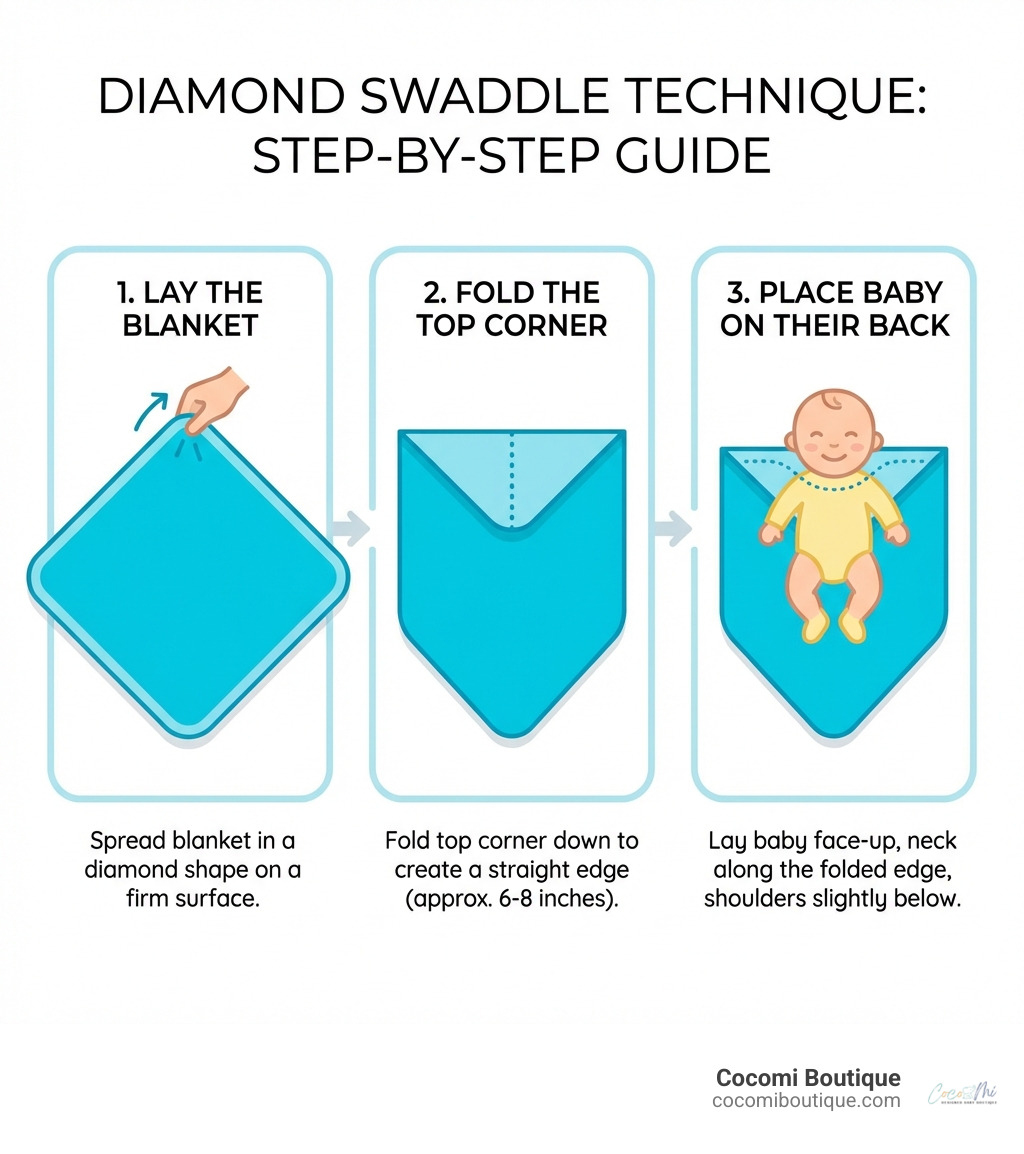
Here’s how we recommend doing it:
- Lay the Blanket: Spread your swaddling blanket out flat on a safe, firm surface (like a crib mattress or changing table) in a diamond shape.
- Fold the Corner: Fold down the top corner of the blanket about 6-8 inches, creating a straight edge.
- Place the Baby: Gently lay your baby on their back on the blanket, ensuring their neck is along the top folded edge and their shoulders are slightly below it. Their head should be above the fold.
- Secure the First Arm: Straighten your baby's left arm and gently bring the left corner of the blanket across their body. Tuck it snugly under their right side, ensuring it's secure but not overly tight.
- Fold the Bottom: Take the bottom corner of the blanket and bring it up over your baby's feet and legs. Make sure there's enough slack so their hips can move freely. This is crucial for hip health! Tuck this corner behind their left shoulder or under the first fold.
- Secure the Second Arm: Straighten your baby's right arm. Pull the remaining right corner of the blanket across their body and tuck it under their left side.
- Check for Snugness: The swaddle should be snug around the torso but loose around the hips and legs. You should be able to fit two or three fingers between the swaddle and your baby's chest. Ensure the blanket is secure so it won't solve, but never so tight that it restricts breathing or hip movement. The head should always remain uncovered.
For a visual guide, our blog post Wrapping wonders - an illustrated guide to perfect baby swaddling offers helpful illustrations.
Hip-Healthy Swaddling and Common Mistakes to Avoid
Hip-healthy swaddling is essential to prevent developmental dysplasia of the hip (DDH), a condition where the hip joint doesn't develop properly. Studies have found that straightening and tightly wrapping a baby's legs can lead to hip dislocation or hip dysplasia. When in the womb, a baby's legs are in a fetal position with the legs bent up and across each other. Sudden straightening of the legs can damage the joints.
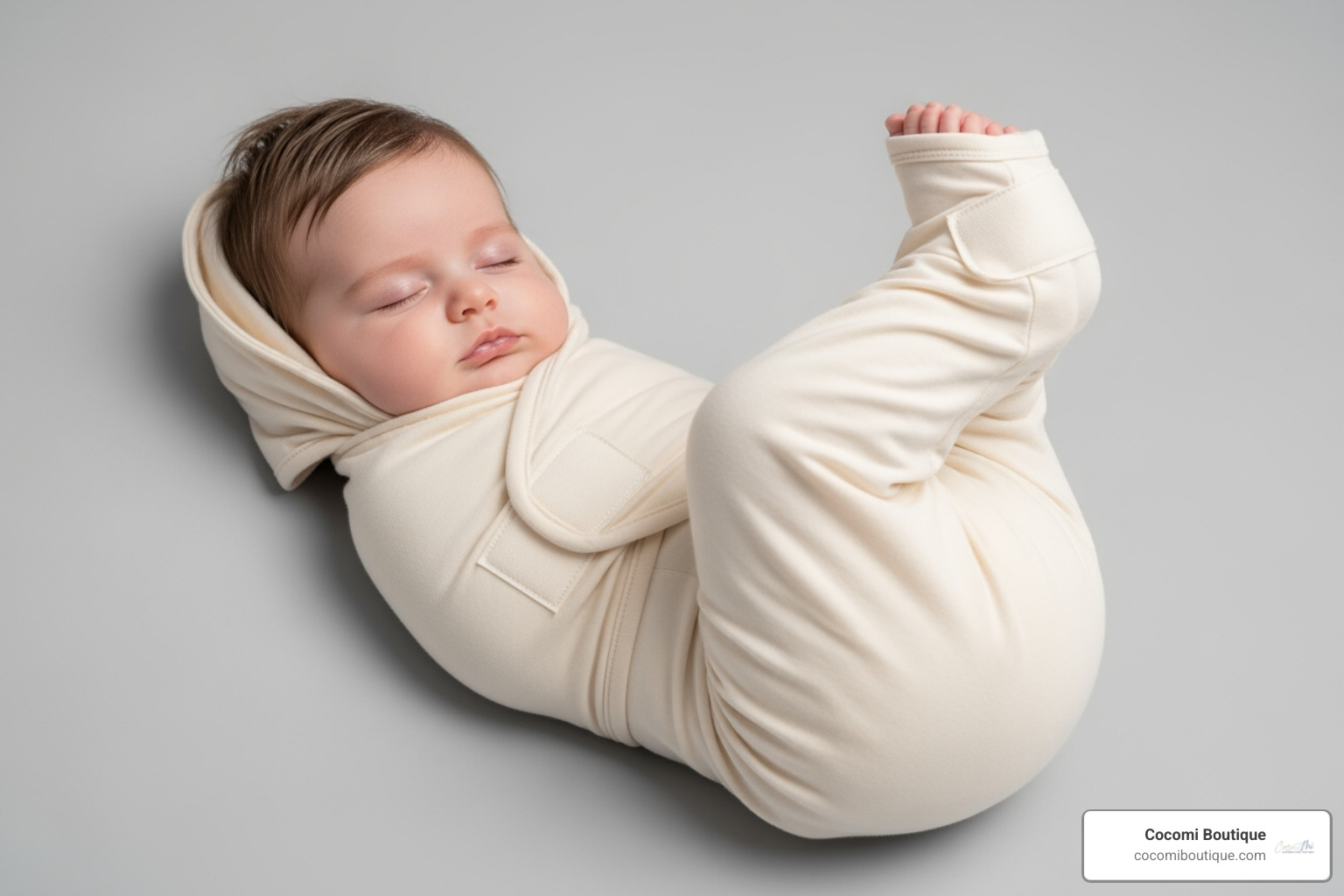
The International Hip Dysplasia Institute promotes "hip-healthy swaddling," which means ensuring there's enough room at the bottom of the swaddling blanket so your baby can bend their legs up and out from their body, resembling a frog-leg position. Their feet and legs must be able to move freely and bend at the hip. For more details, visit the Hip-Healthy Swaddling page.
Here are some common swaddling mistakes we want you to avoid:
- Wrapping too tightly: This can restrict breathing, circulation, and lead to hip problems. Always ensure you can fit two to three fingers between the blanket and your baby's chest.
- Not leaving enough room for hips: As discussed, tight swaddling around the hips and legs can cause hip dysplasia. Make sure the bottom of the swaddle is loose enough for your baby's legs to bend and spread.
- Covering the face or neck: Never let the swaddling blanket cover your baby's face or neck. This poses a serious suffocation risk.
- Using loose blankets: If the fabric becomes loose, it can increase the risk of suffocation. Ensure the swaddle is secure and won't solve.
- Overheating: Using a thick blanket or too many layers can cause your baby to overheat. Always use breathable materials and check your baby's temperature regularly.
- Delayed breastfeeding cues: Swaddling immediately after birth can sometimes interfere with successful breastfeeding by reducing skin-to-skin contact and making it harder to spot early feeding cues. It's often recommended to wait a few hours after birth before swaddling, especially if you're breastfeeding, to allow for initial bonding and feeding.
Choosing the Perfect Swaddling Blanket
Selecting the right swaddling blanket is almost as important as the technique itself. The market is flooded with options, but our focus at Cocomi Boutique is always on quality, comfort, and safety. For guidance on finding the best swaddle for your little one, we recommend checking out our article Finding the best swaddle for sweet dreams.
When choosing a swaddling blanket, consider these factors:
- Breathability: Crucial for preventing overheating. Look for fabrics that allow air circulation.
- Softness: Your baby's skin is delicate, so a soft, gentle material is a must.
- Size: Most traditional swaddles range from 40 to 48 inches square, providing ample fabric for a secure wrap.
- Type: Traditional square blankets offer versatility, while pre-formed swaddles with Velcro or zippers can be easier for some parents, though ensure they meet hip-healthy criteria.
Choosing the Best Swaddling Blanket Material
The material of your swaddling blanket plays a huge role in your baby's comfort and safety. We pride ourselves on offering options that meet the highest standards.
- Muslin Fabric: This is a top choice for a reason! Cotton muslin is lightweight, breathable, and incredibly soft, becoming even softer with each wash. It allows for easy wrapping and adjusting, providing a snug yet comfortable fit. Muslin's lightweight nature makes it versatile for various baby products, including swaddling blankets. You can learn more in our article All about muslin baby blankets.
- Organic Cotton: For an eco-friendly and supremely soft option, organic cotton muslin is GOTS certified, meaning it adheres to strict standards from harvesting raw materials through environmentally and socially responsible manufacturing. These blankets get softer and more loved with each wash.
- Bamboo Fabric: Silky soft bamboo-infused muslin is another excellent choice. It creates an ultra-soft, luxurious fabric that is gentle on sensitive baby skin. Bamboo also has natural moisture-wicking properties, which can help regulate your baby's temperature. For a comparison, read Bamboo or cotton - your guide to the best organic muslin swaddles.
- Knit Fabrics: Comfort Knit (often a cotton-elastane blend) provides stretch and flexibility, ensuring a comfortable and snug experience that moves with your baby. Snuggle Knit (viscose, polyester, elastane jersey) is designed for warmth and comfort, perfect for cooler seasons.
What to Wear Under a Swaddle
Dressing your baby appropriately under their swaddling blanket is key to preventing overheating. A good rule of thumb is to dress your baby in one more layer than you are wearing.
- Room Temperature: If your home is kept at a comfortable temperature (ideally between 68-72°F or 20-22°C), a lightweight cotton onesie or just a diaper under the swaddling blanket is often sufficient. If the temperature drops, you might consider a lightweight, short-sleeved onesie.
- Checking for Overheating: Always feel your baby's skin (especially their chest or the back of their neck) to check their temperature. If they feel sweaty or overly warm, remove a layer or switch to a lighter swaddling blanket. Signs of overheating include sweating, damp hair, flushed cheeks, heat rash, or rapid breathing. Babies cannot regulate their body temperatures as effectively as adults.
- Summer Swaddling: In warmer months, or if your baby tends to run warm, a single layer like a diaper and a light swaddling blanket might be all they need. For more tips on keeping your little one cool, see our article Summer swaddling secrets - how to keep your little one cool and content.
The Transition: When to Stop Swaddling and What's Next
Knowing when to stop swaddling is just as important as knowing how to do it safely. The general guideline is to stop swaddling as soon as your baby shows any signs of trying to roll over. This milestone can happen surprisingly early, sometimes as early as 2 months of age, though it's more commonly seen around 3 to 4 months. Once a baby can roll, a swaddling blanket becomes unsafe because if they roll onto their stomach while swaddled, they may not be able to roll back, increasing the risk of suffocation.
We understand that stopping swaddling can feel daunting, especially if your baby has been sleeping soundly! A gradual transition can make it easier.
- One Arm Out: Start by swaddling with one arm out for a few nights. This allows your baby to get used to having an arm free while still enjoying the security of the swaddle around their body.
- Both Arms Out: Once they're comfortable with one arm out, try swaddling with both arms out. At this point, the swaddling blanket acts more like a wearable blanket or sleep sack around their torso.
If your baby resists the transition, be patient. It might take a few nights for them to adjust to the change.
Alternatives to Swaddling
Once your baby is ready to stop swaddling, or if you prefer not to swaddle, there are excellent alternatives to keep them cozy and safe:
- Sleep Sacks: These are wearable blankets designed to keep your baby warm without the risk of loose blankets in the crib. They come in various TOG (Thermal Overall Grade) ratings, allowing you to choose the right warmth for your environment. Sleep sacks allow your baby's arms and legs to move freely.
- Wearable Blankets: Similar to sleep sacks, these are clothing items that provide warmth and comfort without the safety hazards of traditional blankets.
- Swaddle Transition Products: Some products are specifically designed to help babies transition out of swaddling, often allowing more arm movement while still providing a sense of enclosure.
For an overview of safe and comfortable sleepwear options, check out our guide on Dreamy duds - top newborn sleepers, sacks and suits for your little one.
Frequently Asked Questions about Swaddling
We often hear many questions about swaddling from new parents. Let's address some of the most common concerns.
How does swaddling relate to SIDS prevention?
Proper swaddling, when done correctly, can play a role in SIDS prevention by keeping your baby in the recommended back-sleeping position. Babies who sleep on their stomachs are at higher risk for SIDS. A properly swaddled baby, with their face up, will be less likely to shift during sleep and end up on their stomach. However, it's crucial to understand the nuances. The AAP states that when done correctly, swaddling can be effective. But if a baby rolls onto their stomach while swaddled, the risk of SIDS and unintentional suffocation increases significantly because they may not have the arm strength to push themselves back over. This is why stopping swaddling when rolling begins is so important. Also, overheating and loose fabric from an unsecured swaddling blanket are risk factors for SIDS, so always ensure breathability and a secure wrap.
Can swaddling affect breastfeeding?
Yes, swaddling can sometimes affect breastfeeding, especially in the very early days. Research indicates that infants who are swaddled immediately after birth may nurse less and less successfully than un-swaddled babies. This is because swaddling can reduce skin-to-skin contact, which is vital for establishing breastfeeding, and it can make it harder for parents to recognize early feeding cues. Swaddling might also put the baby in a deeper sleep, causing them to wake less frequently for feeds. Babies wake frequently for developmental reasons, such as waking to feed. If a baby sleeps too soundly due to swaddling, it could potentially impact weight gain if they don't feed as often, and might even slow down milk production for the mother. Therefore, we often recommend waiting a few hours after birth before introducing the swaddling blanket to allow for initial skin-to-skin bonding and successful first feeds.
When should I call for emergency medical help?
While swaddling is generally safe when practiced correctly, it's vital for parents to know when to seek immediate medical attention. Call 911 (or your local emergency number) immediately if your baby exhibits any of the following signs, which could be related to swaddling or other underlying issues:
- Baby is unresponsive: If your baby is not waking up or responding to stimulation.
- Difficulty breathing: If your baby is struggling to breathe, gasping, or breathing very rapidly.
- Skin turning blue: Bluish discoloration around the mouth, nose, or on the skin indicates a lack of oxygen.
- High fever with swaddling: While swaddling itself doesn't cause fever, if your swaddled baby develops a high fever, it's a sign of a serious issue, especially if accompanied by other concerning symptoms.
Always trust your parental instincts. If something feels wrong, it's always best to err on the side of caution and contact a medical professional.
Conclusion: Confident Swaddling for Sweet Dreams
Swaddling can be a truly wonderful tool for new parents, bringing comfort and longer stretches of sleep during those precious newborn weeks. We've explored the profound benefits, from calming fussiness and preventing the startle reflex to promoting peaceful slumber. We've also armed you with the essential knowledge for safe swaddling, emphasizing the critical importance of back sleeping, hip-healthy techniques, and choosing the right breathable swaddling blanket material.
The journey from newborn to independent sleeper is unique for every baby. As your little one grows and begins to show signs of rolling, it's time to gently transition away from swaddling to safer alternatives like sleep sacks. Always keep a close eye on your baby for signs of overheating or distress, and never hesitate to seek medical advice if you have concerns.
At Cocomi Boutique, we are committed to providing you with soft, stylish, and comfortable baby essentials, including premium swaddling blankets designed with quality and care in mind. We believe that when you're confident in your choices and techniques, you can enjoy more serene moments and sweet dreams with your little one. For a comprehensive resource on all things swaddling, our Swaddle savvy - your complete handbook for happy babies is always available.