

How to Choose a Discounted Hooded Baby Towel

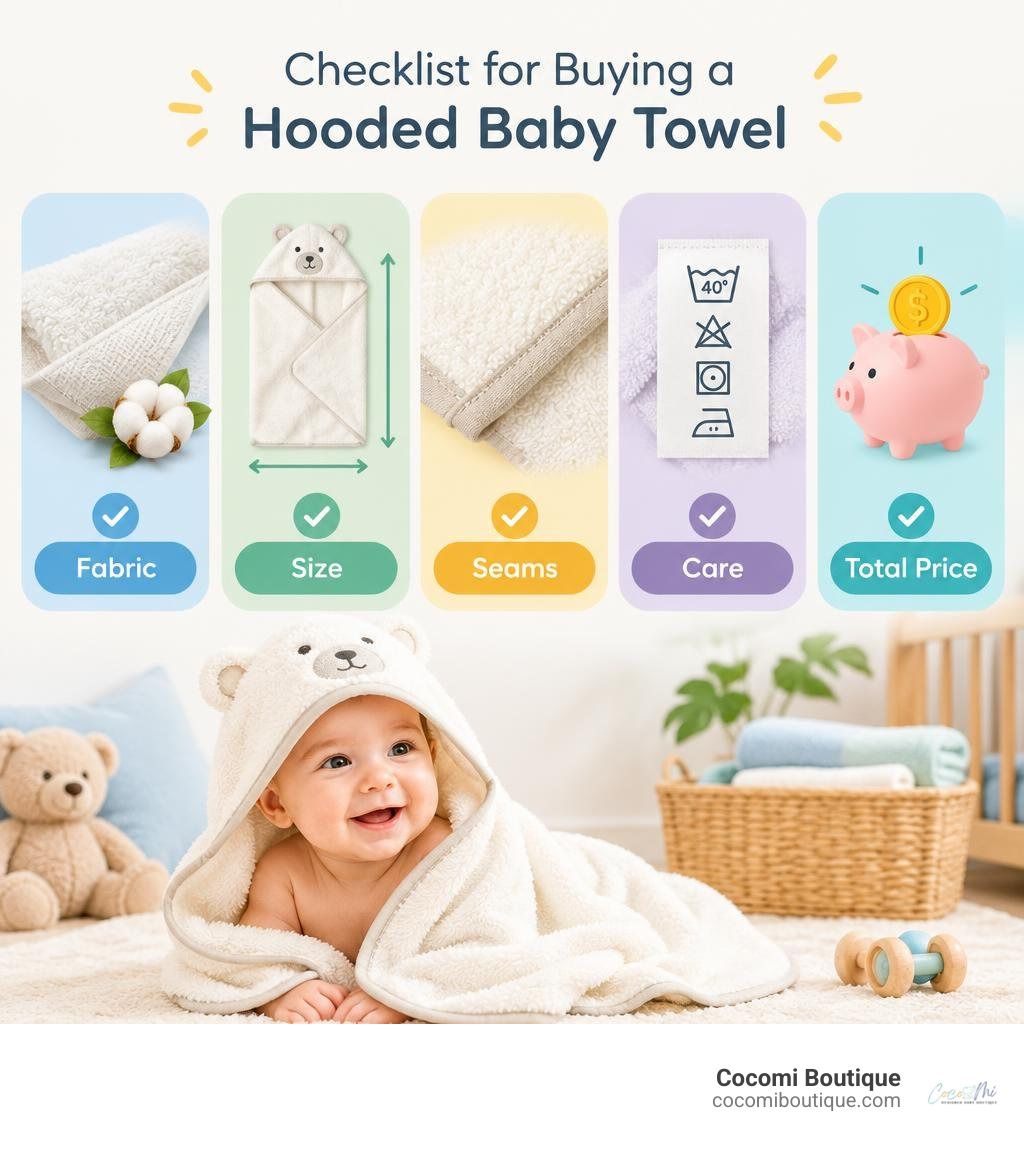
Start with the fabric, fit, and final price. Cotton terry is a strong choice for absorbency; a muslin exterior with a terry lining adds a lighter feel. Check that the towel is large enough to wrap your baby, has secure seams, and comes with clear care instructions. Then compare the price after shipping, not just the sale tag.
I'm Monika Jarog, and my experience with handcrafted baby essentials and natural fabrics shapes how I assess a discounted hooded baby towel. Let's compare the details that make a good deal worth buying.
Discounted hooded baby towel helpful reading:
Key Features to Look for in a Discounted Hooded Baby Towel
Bath time is one of the sweetest rituals of early parenthood, but it can quickly turn into a slippery, tearful dash if your bath linens are thin, scratchy, or slow to absorb moisture. Newborns lose body heat rapidly through their heads, making a purpose-built corner hood essential for post-bath temperature regulation. When evaluating special offers on bath linens, look past the initial price tag and inspect the technical fabric specifications that ensure warmth, safety, and longevity.
Fabric density—measured in grams per square meter (GSM)—serves as the primary indicator of absorbency and warmth. Bath linens designed for delicate infant skin should ideally sit at or above 350 GSM. Towels below this threshold often feel thin, become waterlogged within seconds, and leave your infant shivering. High-quality textiles often utilize low-twist cotton yarn technology. Traditional tightly twisted yarns create a dense, rigid surface, whereas low-twist yarns leave open space between fibers. This design creates a plush, cloud-like texture that absorbs moisture instantly upon contact while remaining remarkably lightweight and quick to dry.

Material purity is equally vital. Newborn skin is significantly thinner than adult skin and absorbs environmental residues more easily. Prioritizing textiles that meet rigorous chemical-free safety benchmarks—such as OEKO-TEX Standard 100 certification—guarantees that no harmful dyes, heavy metals, or toxic finishing agents touch your baby. Parents across our local communities, from Northbrook to Chicago, can also reference official Illinois child safety standards to ensure household nursery textiles adhere to strict consumer safety regulations.
Fabric Types: Muslin vs Terry vs Bamboo
Understanding the strengths of different natural weaves helps you choose the right towel for your baby's specific skin needs and laundry routine:
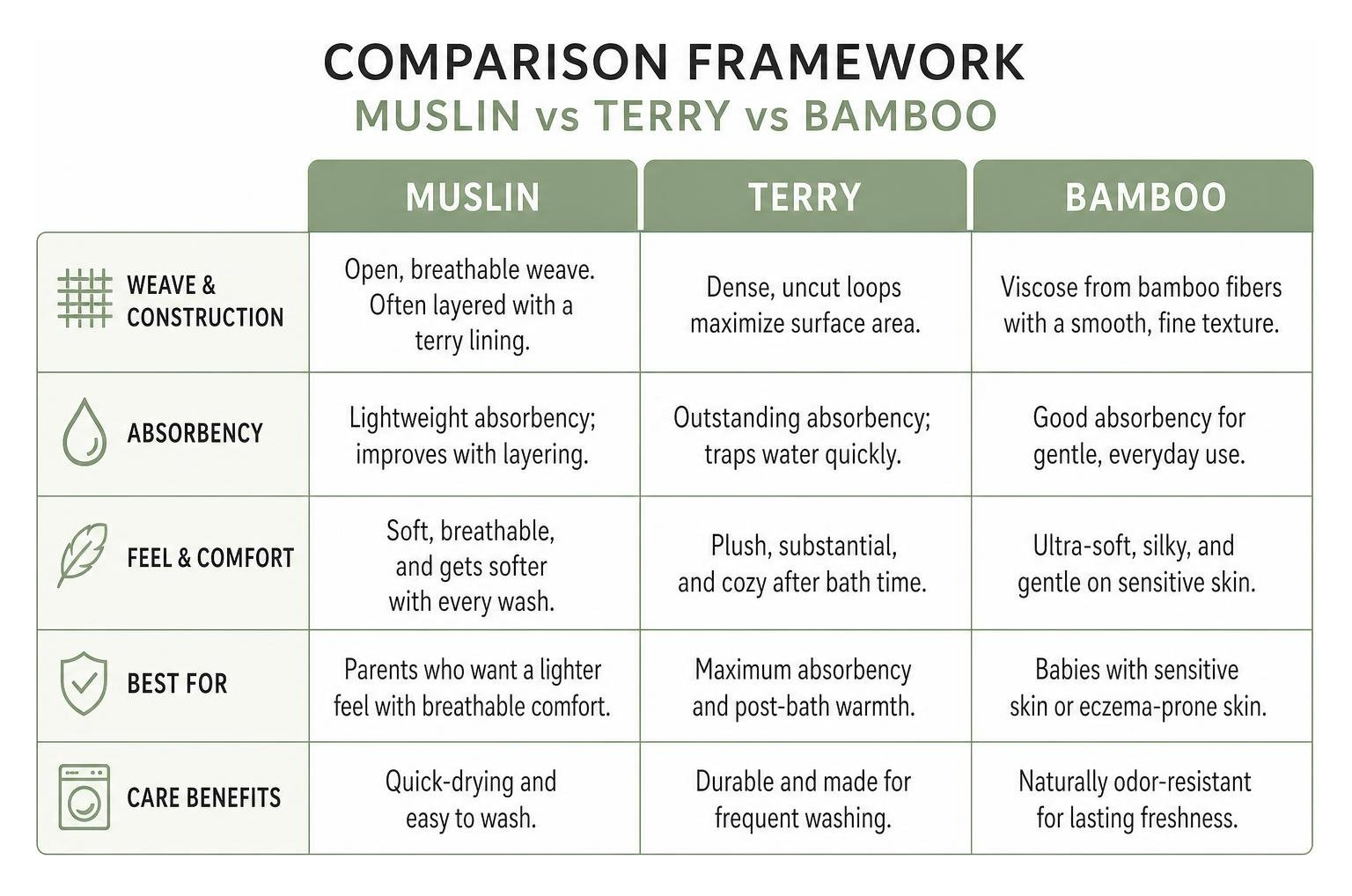
- Classic Cotton Terry: Woven with dense, uncut loops that maximize surface area, premium terry cloth offers outstanding absorbency. It traps residual water drops effortlessly, making it the industry benchmark for post-bath warmth.
- Layered Cotton Muslin: Known for its open, breathable weave, pure muslin is gentle on sensitive skin and becomes softer with every wash. Dual-layer designs—featuring printed muslin on the exterior paired with soft terry lining inside—combine visual elegance with practical water absorption.
- Bamboo Viscose: Sourced from sustainable bamboo fibers, bamboo baby towels deliver an ultra-silky, hypoallergenic hand feel. Bamboo naturally resists odor-causing bacteria and provides gentle comfort for babies prone to eczema.
- Organic Hydrocotton: Utilizing advanced spinning techniques, organic cotton hooded towels offer enhanced absorbency without excess bulk, ensuring cozy comfort after evening splashes.
Sizing and Longevity for a Discounted Hooded Baby Towel
A common pitfall when shopping for nursery bath essentials is selecting items that your baby outgrows within weeks. Standard infant sizes typically measure 30 × 30 inches, fitting babies from birth up to 18 months (or roughly 36 inches in height). These dimensions provide sufficient fabric to swaddle a newborn securely without overwhelming the caregiver with excess bulk.
As your child transitions into toddlerhood, you will appreciate generous sizing and an adequately deep hood pocket. A shallow hood will slide off an active toddler's wet head, letting drafts in. Investing in well-proportioned dimensions ensures the towel seamlessly transitions from newborn sponge baths to toddler splash sessions. For a deeper breakdown of dimensional transitions as your child grows, consult our comprehensive toddler bath towel guide.
Comparing the Best Types of Hooded Bath Linens on Sale
To help you balance fabric quality, performance, and everyday practicality, we have compared the most popular natural textile constructions used in premium bath linens:
| Fabric Construction | Primary Benefits | Absorbency & Drying Speed | Longevity & Care |
|---|---|---|---|
| Pure Low-Twist Cotton Terry | Classic plush loops, superior heat retention | High absorbency; moderate drying speed | Resilient against frequent hot washes |
| Muslin Outer + Terry Interior | Breathable styling, gentle against sensitive skin | Balanced absorption; fast drying speed | Extremely durable; softens with laundering |
| Organic Bamboo Terry | Silky texture, naturally hypoallergenic | Ultra-high absorbency; requires gentle drying | Delicate fibers; requires mild cycle care |
| Organic Hydrocotton | Lightweight loft, cloud-like softness | Instant water uptake; fast drying speed | Premium durability; maintains loft over time |
Selecting the ideal fabric ensures quick head-to-toe drying while keeping your newborn comfortable. Our collection of handcrafted plush hooded baby towels showcases these premium natural weaves, combining nursery elegance with daily functionality.
How to Spot a Truly Premium Discounted Hooded Baby Towel
When browsing special offerings, structural details reveal whether a towel is crafted for luxury or built to fray after three laundry cycles.

Examine the edges first. Premium nursery linens feature smooth, reinforced fabric binding along the entire perimeter rather than basic overlock stitching. This binding prevents the terry loops from unspooling during high-spin wash cycles. Additionally, inspect the corner hood attachment: the interior seams should be flat and soft against a baby's delicate scalp, free from scratchy synthetic tags or rough thread knots. Whimsical design touches, such as softly sculpted animal ears, should be securely stitched into the main seam structure rather than glued or weakly tacked onto the exterior fabric.
Coordinating Bath Sets and Gifting Bundles
Bath time linens are most effective when paired with coordinated essentials. Combining a hooded wrap with matching washcloths made from identical organic fibers ensures your baby's delicate face and body receive uniform care.
When curating baby shower gift registries, coordinated bundles provide thoughtful practicality for new parents. Adding soft post-bath essentials creates a complete, spa-like routine for the nursery. Explore our curated newborn bath towel sets to find beautifully matched gift collections that celebrate early milestones.
Smart Shopping Strategies: Finding Quality Sales Without Compromising Safety
Smart shopping for baby essentials does not mean settling for synthetic polyester blends or flimsy fabrics. You can build a safe, elegant nursery linen collection while maintaining thoughtful household spending.
- Calculate the True Landed Cost: Always evaluate the final checkout price rather than the initial product markdown. Transparent shipping fees and clear return policies ensure you are truly securing value.
- Prioritize Multipurpose Everyday Essentials: Selecting versatile everyday baby towels crafted from 100% natural cotton ensures each piece serves multiple roles—from post-bath swaddling to shaded stroller drying.
- Invest in Bundled Sets: Purchasing complementary multi-piece sets frequently reduces the per-item cost while ensuring matching fabric quality across all your daily bath linens.
- Choose Timeless, Neutral Palettes: Soft neutrals like ivory, sage, dusty rose, and warm cream remain stylish through multiple siblings, maximizing the lifespan of every handcrafted item.
Care and Maintenance for Long-Lasting Softness
To preserve the plush texture and high absorbency of natural cotton and bamboo fibers across years of use, follow these straightforward laundering steps:
- Wash in Cold or Warm Gentle Cycles: High water temperatures can weaken natural fibers and degrade low-twist cotton over time. Use gentle, plant-based detergents free from synthetic fragrances.
- Skip Commercial Fabric Softeners: Liquid softeners and dryer sheets coat natural fibers in a waxy chemical film, dramatically reducing their ability to absorb water.
- Tumble Dry on Low Heat: Overheating cotton loops causes them to become brittle and scratchy. A gentle, low-heat cycle preserves natural fabric loft.
- Incorporate Natural Fabric Rinses: Adding half a cup of distilled white vinegar to the rinse cycle naturally dissolves mineral deposits and soap scum, keeping linens soft without chemical additives.
For detailed laundry guidelines that protect delicate nursery fabrics, review our hooded infant towel maintenance guide.
Frequently Asked Questions About Hooded Baby Towels
What makes a hooded towel better than a standard bath towel for infants?
Standard adult bath towels are bulky, heavy, and difficult to wrap securely around a wriggling newborn. A purpose-built hooded towel features a specialized corner pocket that keeps the infant's head warm immediately upon leaving the warm bath water, preventing rapid heat loss while allowing caregivers to swaddle their baby comfortably.
How many hooded towels does a baby actually need in their rotation?
A well-managed nursery rotation typically requires three to four high-quality hooded towels. This ensures you always have one towel in active use, one clean spare ready in the nursery drawer, and one or two cycling through the weekly laundry.
How do I keep baby bath towels soft without synthetic fabric softeners?
Avoid synthetic softeners and optical brighteners, which coat natural fibers and reduce water absorbency. Instead, wash linens with mild, fragrance-free detergent and add 1/2 cup of plain white vinegar to the fabric softener compartment during the rinse cycle. Tumble dry on low heat with wool dryer balls to fluff the loops naturally.
Conclusion
Creating a serene, comforting bath time experience comes down to choosing baby linens crafted with care, safe natural fibers, and timeless design. By focusing on essential quality markers—such as 350+ GSM fabric weight, OEKO-TEX certified chemical-free materials, and durable reinforced edge binding—parents can enjoy everyday elegance and reliable durability.
At CocoMi Baby Boutique, we believe new families deserve nursery essentials that honor both safety and refined craftsmanship. Founded by parents who experienced the search for pure, beautiful baby goods firsthand, our handcrafted collections bring gentle luxury into your home. We invite you to explore expert baby care and bath time guides and discover our curated nursery essentials online.