

Choosing the Best Swaddle Blankets for Winter

The best swaddle blankets for winter keep a newborn warm without trapping too much heat. For most homes, choose a breathable, well-fitted wearable swaddle or sleep sack matched to the nursery temperature: 2.5 TOG for a cool winter room and 3.0 TOG for rooms around 61-64°F. If the nursery stays near the recommended 68-72°F range, a lighter option and a simple cotton sleeper are often enough.
Avoid loose blankets in the crib. Instead, look for a secure swaddle with room for healthy hip movement, soft natural or certified non-toxic fabrics, and easy diaper access. Merino wool can help regulate temperature and wick moisture, while organic cotton offers gentle, breathable layering. Thick fleece may suit a truly cold room, but it needs extra care because overheating is a known safe-sleep risk.
The key is not adding every warm layer you own. The American Academy of Pediatrics advises dressing baby in no more than one extra layer than an adult would wear. Check the back of baby's neck or chest for warmth and sweat, rather than relying on cool hands and feet.
At CocoMi Baby Boutique, we create handcrafted, natural baby essentials designed around comfort, safety, and elegant European-quality materials. In this guide to the best swaddle blankets for winter, we will help you compare warm, breathable options so you can build a safer winter sleep routine with confidence.
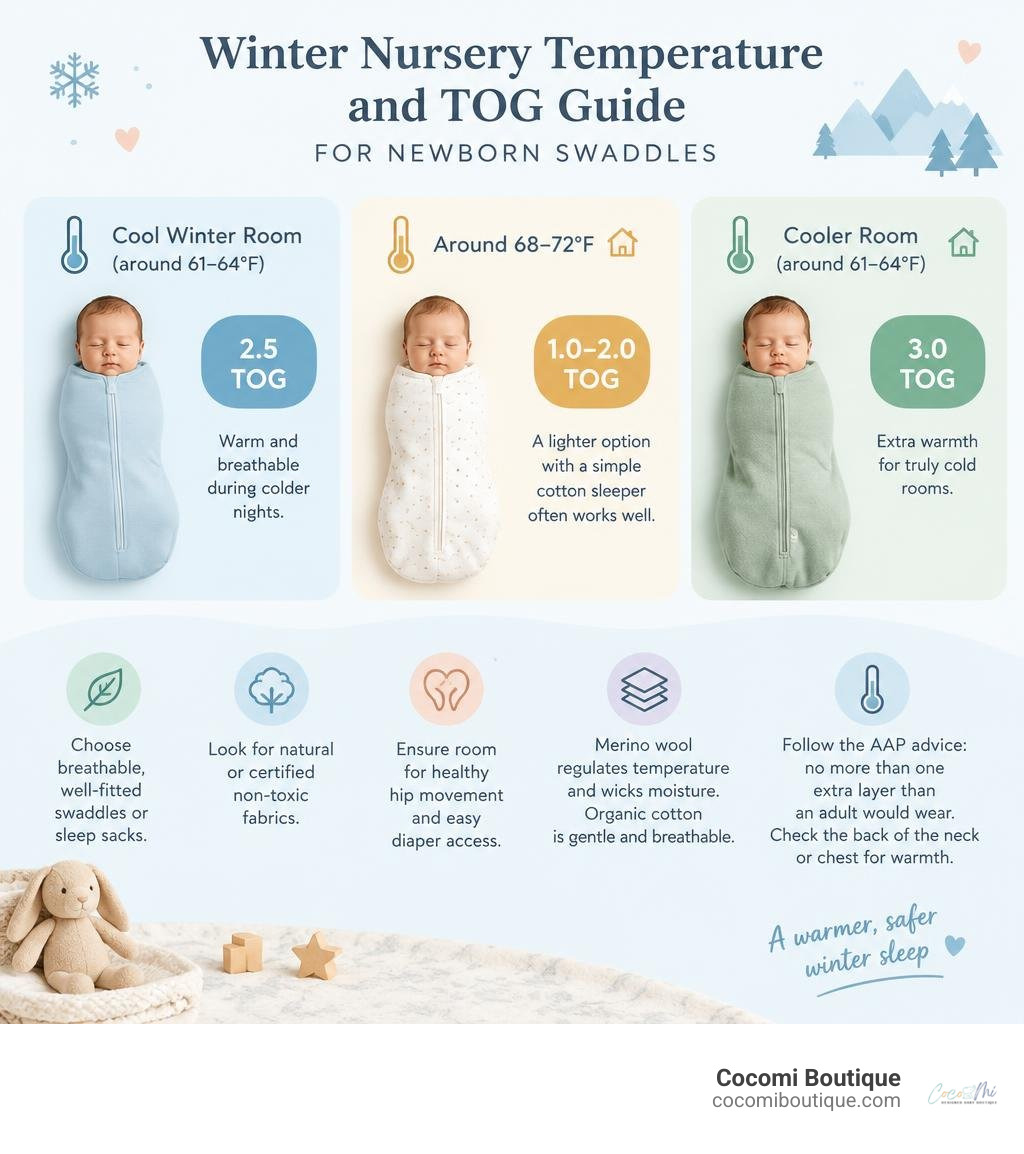
Best swaddle blankets for winter terms simplified:
Understanding TOG Ratings for the Best Swaddle Blankets for Winter
Selecting cold-weather sleepwear requires a firm grasp of thermal ratings. When selecting sleepwear during cold months, parents often encounter the term TOG, which stands for Thermal Overall Grade. This standard rating measures how effectively a garment insulates by trapping warm air around your infant. Because infants cannot regulate their internal body temperature as efficiently as adults, selecting the proper thermal resistance is essential for both comfort and safe sleep.
In older homes or drafty rooms, temperatures can fluctuate significantly throughout the night. A calibrated winter rating prevents unnecessary wakeups caused by sudden chills while protecting against the dangers of excess heat retention.
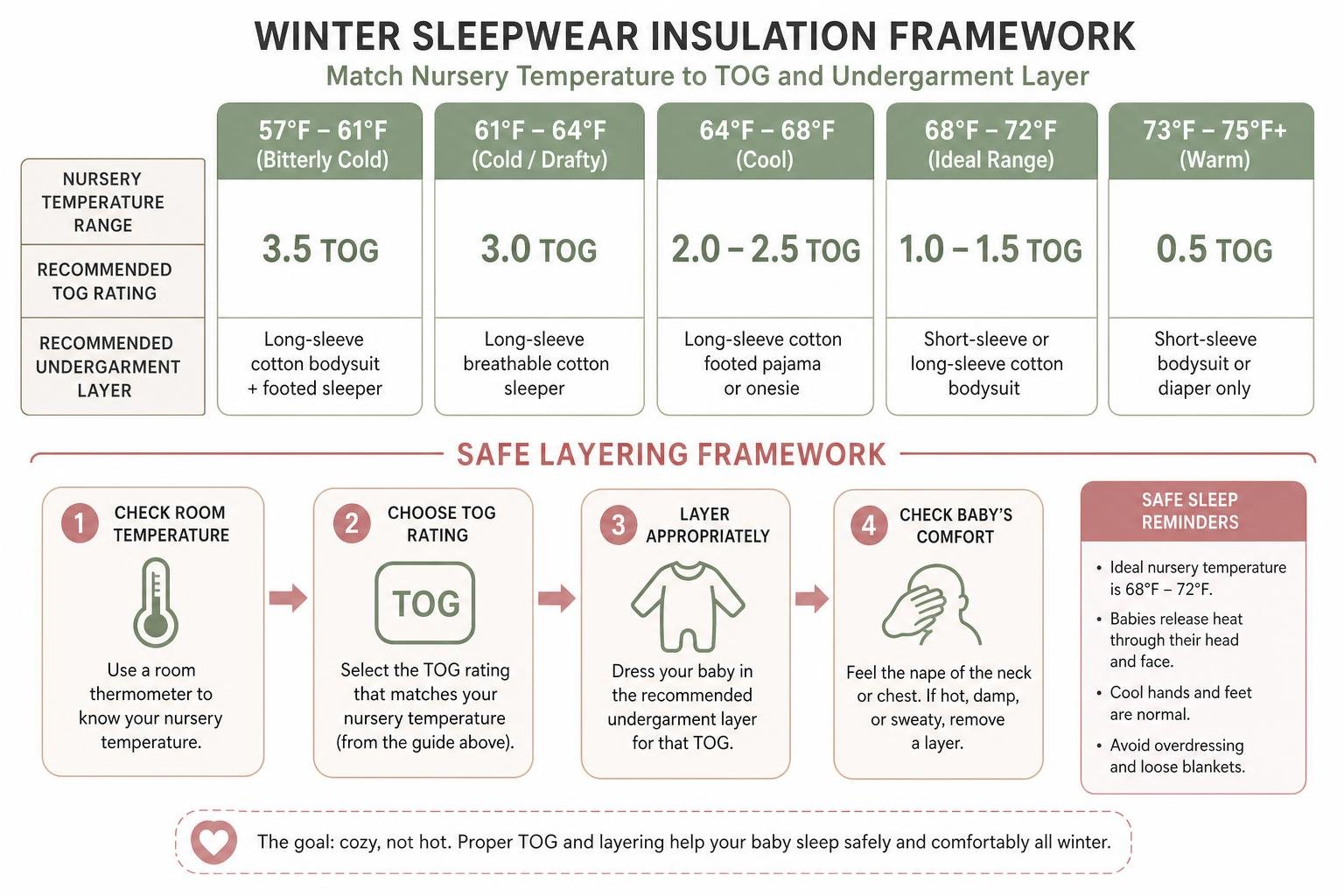
| Nursery Temperature Range | Recommended TOG Rating | Recommended Undergarment Layer |
|---|---|---|
| 57°F – 61°F (Bitterly Cold) | 3.5 TOG | Long-sleeve cotton bodysuit + footed sleeper |
| 61°F – 64°F (Cold / Drafty) | 3.0 TOG | Long-sleeve breathable cotton sleeper |
| 64°F – 68°F (Cool) | 2.0 – 2.5 TOG | Long-sleeve cotton footed pajama or onesie |
| 68°F – 72°F (Ideal Range) | 1.0 – 1.5 TOG | Short-sleeve or long-sleeve cotton bodysuit |
| 73°F – 75°F+ (Warm) | 0.5 TOG | Short-sleeve bodysuit or diaper only |
Thermal Overall Grade (TOG) Explained for Cold Climates
For standard cool rooms maintained between 64°F and 68°F, a 2.0 to 2.5 TOG swaddle or sleep garment provides adequate insulation. However, if your nursery regularly dips into the 61°F to 64°F range during freezing winter nights, a 3.0 TOG insulated swaddle provides the necessary thermal barrier without requiring heavy, unsafe blankets.
Specialized garments—such as high-insulation designs utilizing natural fibers like camel wool or layered organic textiles—reach upwards of 3.5 TOG for environments between 57°F and 61°F. To explore independent product reviews and comparative warmth assessments, check out expert swaddle testing and safety insights for a closer look at thermal performance across different styles.
Safe Nursery Temperatures and Overheating Prevention
While keeping a baby warm in winter is essential, preventing overheating is equally critical. The American Academy of Pediatrics (AAP) notes that overheating is a primary environmental risk factor for Sudden Infant Death Syndrome (SIDS). The ideal nursery temperature remains between 68°F and 72°F year-round.
Babies release excess heat primarily through their head and face. Because an infant's hands and feet have developing circulatory systems, cool extremities are normal and do not necessarily indicate that the baby is cold. Instead, assess your baby’s core temperature by touching the nape of their neck or their chest. If the skin feels hot, damp, or sweaty, remove a layer immediately. For complete guidelines on maintaining safe boundaries during sleep, explore our detailed safest swaddle blanket guide.
Key Features to Compare in Top-Rated Winter Swaddles
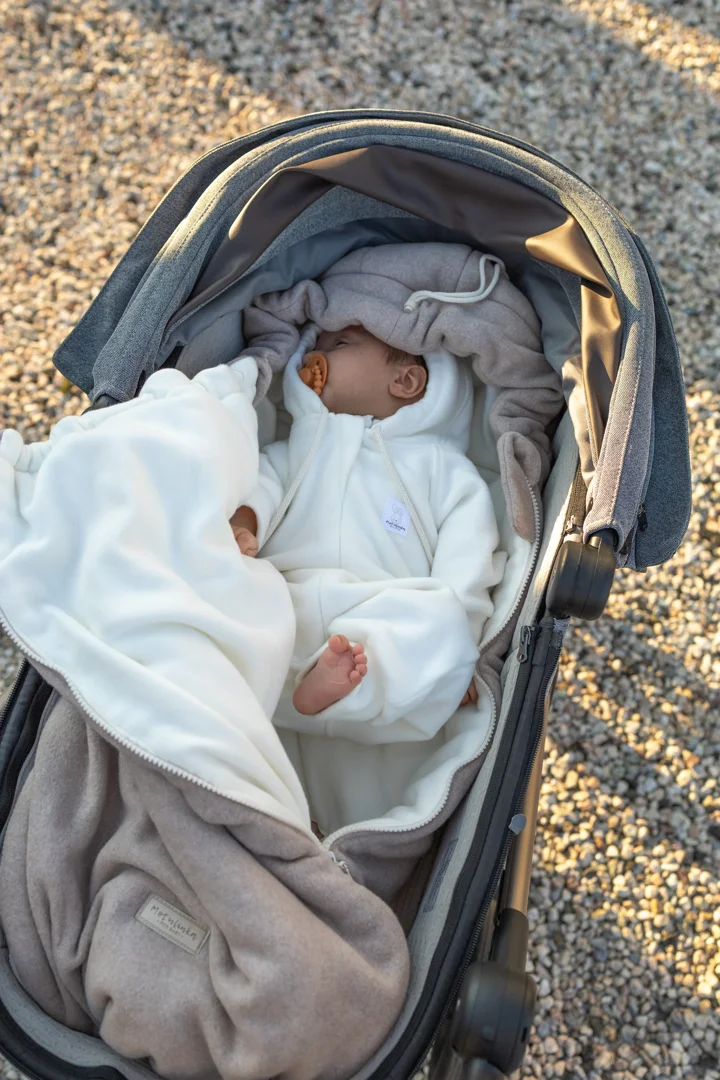
Finding the right winter wrap involves more than selecting a heavy fabric. The best garments balance secure soothing with convenience, safety, and durability. As parents who founded our boutique to bridge the gap between elegant styling and uncompromising safety, we prioritize thoughtful construction details that protect delicate skin and allow seamless nighttime care.
Best Swaddle Blankets for Winter Newborns and Drafty Rooms
Newborns enter the world with an active Moro (startle) reflex, which can cause sudden arm jerks that awaken them. A well-designed swaddle mimics the comforting containment of the womb while keeping cold drafts out.
For draft-prone rooms, look for swaddles with secure 3-in-1 adjustable wings. These allow you to customize how your baby sleeps:
- Both arms securely wrapped inside to fully soothe the startle reflex during the first few weeks.
- Hands-to-face positioning for infants who naturally self-soothe by sucking on their fingers.
- One or both arms freed when your baby begins showing signs of developmental milestones.
To understand how traditional wraps differ from structured sleep sacks, read our breakdown of the types of baby swaddles to match your family's routine.
Two-Way Zippers, Quiet Fasteners, and Hip-Healthy Construction
Winter diaper changes present a unique challenge: opening an entire swaddle exposes the baby's chest to cold air, causing them to wake up fully. Look for garments featuring two-way inverted zippers that unzip from the bottom up. This design keeps your baby’s chest and arms warm while allowing quick diaper changes.
Fasteners are another crucial consideration. While hook-and-loop closures offer adjustability, loud tearing sounds can startle a sleeping newborn. Look for quiet micro-fasteners or secure wrap folds.
Finally, prioritize ergonomic designs recognized by the International Hip Dysplasia Institute (IHDI). A safe swaddle must allow the legs to bend up and out at the hips (the natural "frog-leg" position) rather than forcing the legs into a rigid, straight alignment.
Comparing the Best Materials for Cold-Weather Sleep

Fabric choice directly impacts how well a swaddle regulates temperature. While synthetic materials can provide insulation, natural fibers offer superior breathability, moisture management, and skin tolerance.
Organic Cotton vs. Breathable Wool vs. Micro-Fleece
- Certified Organic Cotton (GOTS-certified): Breathable, gentle, and free from synthetic agricultural chemicals, premium organic cotton is ideal for baby clothing and nursery textiles. It layers well, washes cleanly, and allows air circulation to minimize heat buildup.
- Natural Merino and Camel Wool: Wool is a natural temperature regulator. It traps air for warmth when the environment is cold, yet releases excess heat and wicks away moisture if the room warms up.
- Polyester Micro-Fleece: Synthetic micro-fleece offers high insulation at a 3.0 TOG rating for cold rooms (61°F to 64°F). However, because polyester lacks the natural breathability of organic cotton or wool, parents must monitor room conditions closely to prevent overheating.
To protect delicate newborn skin from harsh manufacturing residues, choose textiles certified to OEKO-TEX Standard 100, which guarantees the fabric has been tested for harmful substances. You can learn more about pure fabric choices in our guide to organic cotton swaddle blanket selection, or examine technical evaluations via laboratory evaluations of infant sleepwear.
Best Swaddle Blankets for Winter Transitioning and Arms-Out Sleep
Swaddling must stop as soon as your baby shows any attempt to roll over—often around 2 to 4 months of age. Once an infant rolls onto their stomach, having their arms bound inside a swaddle creates a serious suffocation hazard.
To transition smoothly without disrupting winter warmth:
- Begin by wrapping your baby with one arm out for several nights.
- Once they adapt, free both arms while keeping the torso wrapped snugly for comforting core warmth.
- Move to a wearable sleep sack or pair a breathable sleep sack with high-quality, lightweight layers from our collection of breathable baby blankets for supervised daytime lounging.
Safe Winter Layering and Nursery Guidelines
Creating a safe winter sleep setup involves coordinating the swaddle with base layers rather than relying on thick bedding. Loose blankets, quilts, and crib bumpers should never be placed in an infant's sleep area.
How to Layer Clothing Under a Winter Swaddle
A helpful baseline is the AAP's one-layer rule: dress your baby in just one more layer than you would wear to sleep comfortably in the same room.
- For mild rooms (68°F – 72°F): Combine a short-sleeve organic cotton bodysuit with a 1.0 to 1.5 TOG wrap.
- For cooler nurseries (64°F – 68°F): Use a long-sleeve cotton footed pajama underneath a 2.0 to 2.5 TOG swaddle.
- For cold rooms (61°F – 64°F): Dress baby in a breathable cotton sleeper paired with an insulated 3.0 TOG winter swaddle.
Avoid dressing your baby in synthetic fleece base layers beneath heavy winter swaddles, as this combination traps moisture against the skin. Instead, choose breathable cotton swaddle blankets and pure cotton garments that regulate airflow naturally.
Frequently Asked Questions About Winter Swaddling
What TOG rating is best for winter swaddle blankets?
A 2.5 TOG rating is generally best for typical winter nurseries maintained between 64°F and 68°F. For colder rooms or drafty spaces averaging 61°F to 64°F, a 3.0 TOG swaddle provides enhanced insulation. In well-heated rooms kept at the standard 68°F to 72°F, a lighter 1.0 to 1.5 TOG garment is sufficient.
How should I dress my baby underneath a winter swaddle?
Dress your baby in breathable base layers made from natural fibers. In standard conditions, a simple cotton footed sleeper or a long-sleeve bodysuit under your swaddle is plenty. Avoid pairing heavy synthetic fleece pajamas with an insulated swaddle, as this can cause moisture buildup and overheating.
When is it time to stop using a winter swaddle?
You should stop swaddling with arms inside at the very first signs of your baby attempting to roll over, which typically occurs between 2 and 4 months of age. At this stage, switch to a transitional arms-out swaddle or a wearable winter sleep sack to maintain warmth while keeping their arms free.
Conclusion
Keeping your newborn warm and cozy throughout the colder months requires balancing safe sleep practices with high-quality materials. By selecting the right TOG rating for your nursery, choosing breathable OEKO-TEX certified and organic fabrics, and following careful layering principles, you can create a safe, restful sleep environment all winter long.
Explore our full collection of thoughtfully designed nursery essentials and read more expert guides at the CocoMi Baby Boutique journal to help you build a safe, elegant sleep routine.