

Why Choosing the Right Newborn Blanket Matters
A newborn blanket is one of the most versatile and essential items you'll use in your baby's first year. Whether you need a swaddle for better sleep, a receiving blanket for burping, or a security lovey for comfort, the right blanket provides warmth, safety, and peace of mind.
Top Newborn Blanket Types:
- Swaddle Blankets - 47" x 47" muslin or cotton knit for secure wrapping
- Receiving Blankets - 30" x 30" cotton flannel for everyday versatility
- Security Blankets/Loveys - Small, soft companions with sensory features
- Organic Cotton Blankets - GOTS-certified, hypoallergenic, chemical-free
- Fleece/Minky Blankets - Cozy options for supervised use in cold weather
The global baby blanket market was valued at USD 1.5 billion in 2023 and is projected to reach USD 2.5 billion by 2030. This growth reflects what parents already know: a quality blanket isn't just fabric. It's a tool for soothing, a shield from overstimulation, and often a cherished keepsake from those precious early days.
But with so many options—muslin, flannel, organic cotton, fleece—how do you choose? And more importantly, how do you use these blankets safely? Experts recommend against using loose blankets in cribs before 12 months, so understanding when and how to use each type is critical.
This guide walks you through everything you need to know: the essential types of blankets, the best materials for your baby's sensitive skin, crucial safety guidelines, and practical tips for care and maintenance. You'll learn why breathability matters, when to choose organic, and how to select blankets that work for both everyday cuddles and special occasions.
I'm Monika Jarog, and I've spent years designing handcrafted baby essentials from 100% natural, chemical-free materials that meet the highest European safety standards. Through my work creating baby wraps, nests, and accessories, I've learned what truly makes a newborn blanket both beautiful and functional.
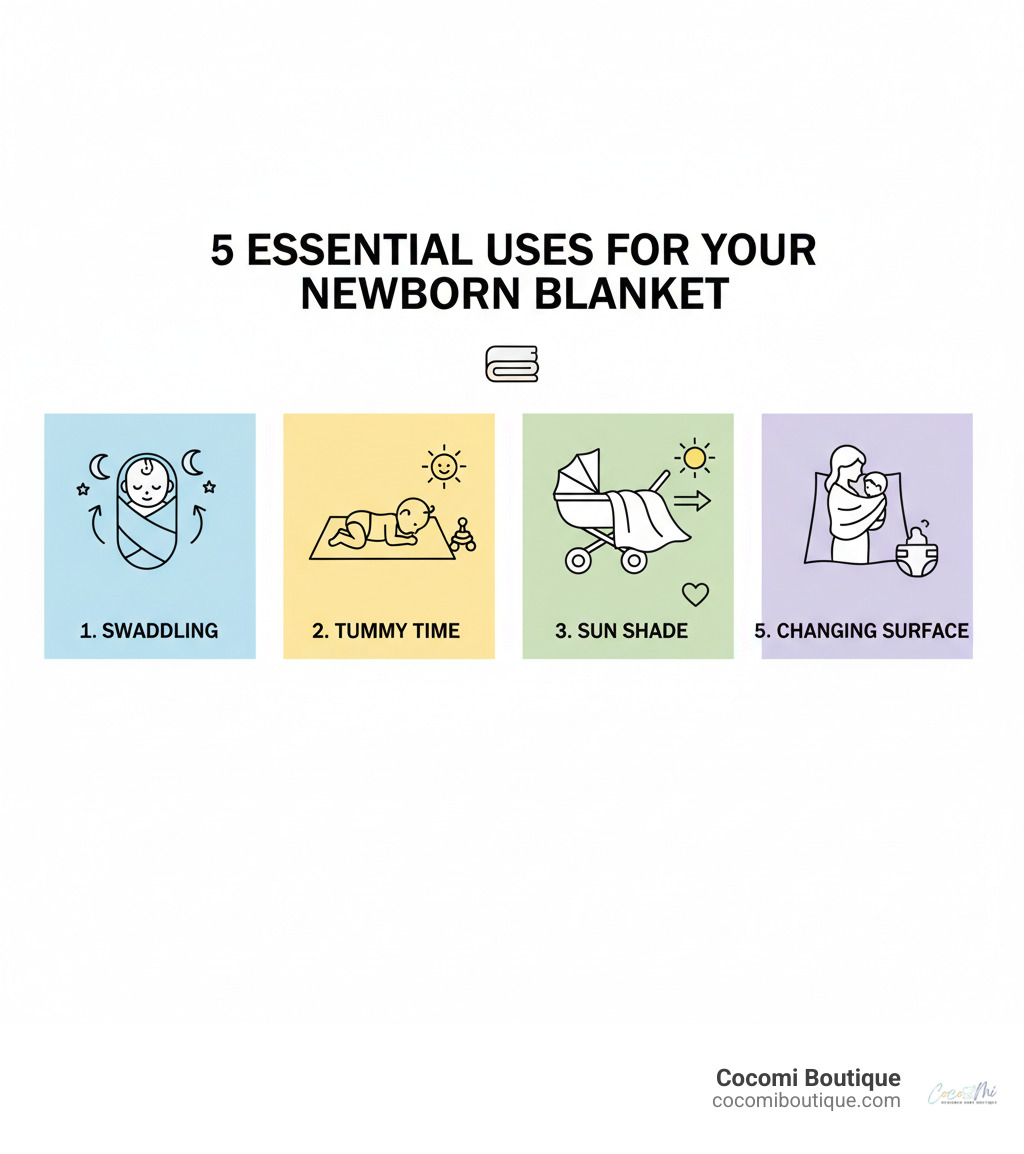
Essential newborn blanket terms:
The Essential Types of Newborn Blankets
Walking into a baby store—or browsing online—can feel like stepping into a sea of soft fabrics and adorable patterns. When it comes to newborn blankets, you'll quickly find there isn't just one type. Each serves its own special purpose, and understanding these differences will help you build a practical collection that actually gets used (instead of sitting pretty in a drawer).
The good news? You don't need every blanket ever made. What you do need are a few key types that work hard for you and your baby, from those first precious days through the toddler years.
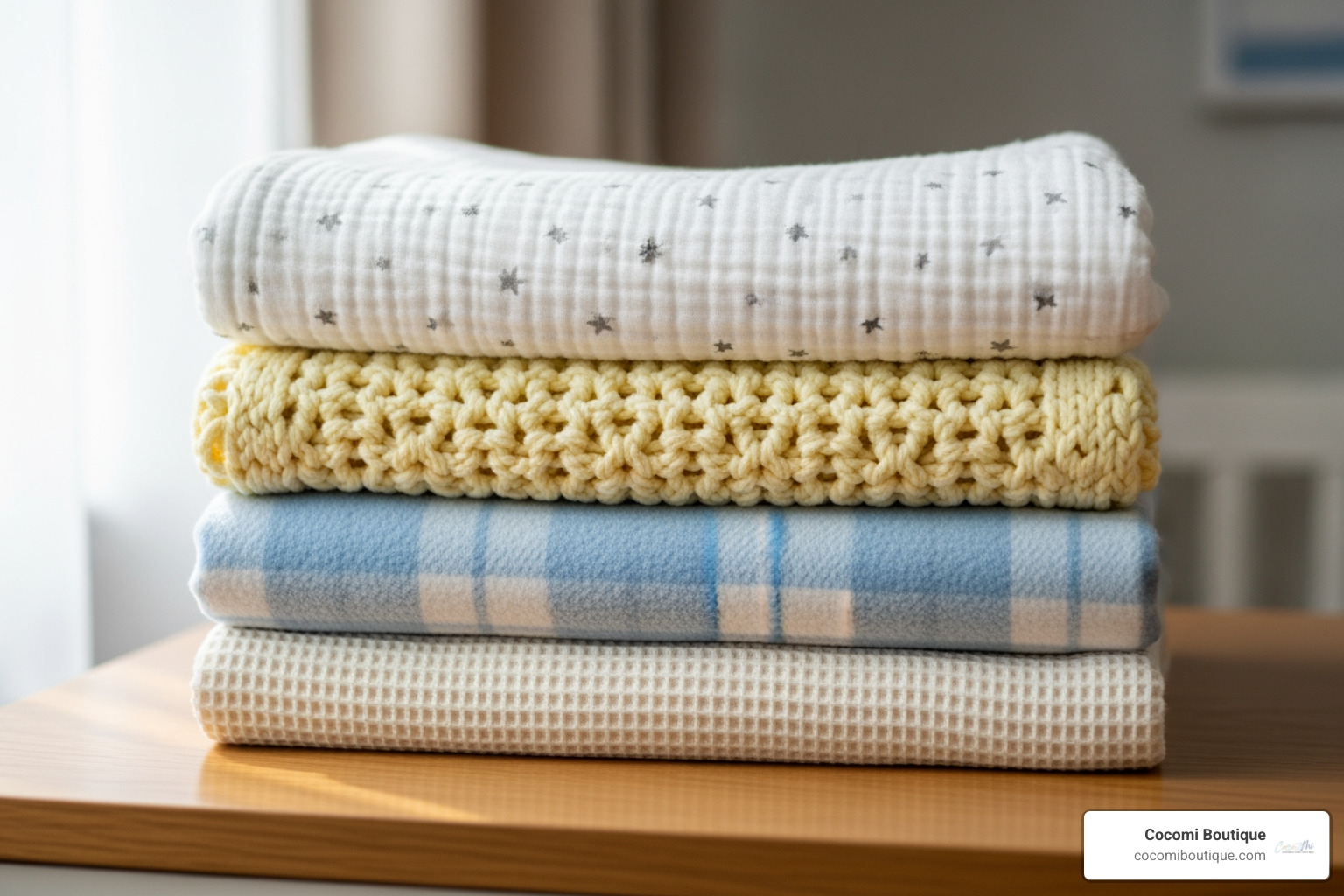
Swaddle Blankets: For Womb-Like Comfort
There's something almost magical about watching a fussy newborn settle the moment you wrap them snugly in a swaddle. That's because swaddling recreates the cozy, secure environment of the womb—and for many babies, it's exactly what they need to feel calm and safe.
A good swaddle does more than just comfort. It helps reduce the Moro reflex (that sudden startle that can jolt a sleeping baby awake) and promotes longer, more restful sleep. For exhausted new parents, that alone makes swaddling worth learning.
The best swaddle blankets are made from breathable fabrics that won't overheat your baby. Muslin is a favorite thanks to its loose, airy weave that keeps air flowing while still providing warmth. Cotton knit offers a bit of stretch, making it easier to achieve that snug-but-not-too-tight wrap. And bamboo blends feel incredibly soft against delicate newborn skin while naturally wicking away moisture.
Most swaddles measure around 47 inches by 47 inches—generous enough to wrap even a growing baby securely. That larger size also means they're wonderfully versatile for other uses as your little one grows.
If you're new to swaddling (or want to make sure you're doing it safely), we've created a complete guide to walk you through proper technique: The Ultimate Guide to Safe Swaddling for Newborns.
Receiving Blankets: The Versatile Must-Have
If swaddle blankets are the specialists, receiving blankets are the reliable all-rounders. These humble squares of fabric work overtime, handling everything from burp cloths to impromptu changing mats to lightweight covers.
You'll typically find receiving blankets in soft cotton flannel, which feels gentle against baby's skin and gets even softer with washing. They're usually smaller than swaddles—around 30 inches by 30 inches—making them easy to grab, fold, and toss in your diaper bag.
Their compact size is actually their superpower. Need to protect your shoulder from spit-up? Grab a receiving blanket. Baby needs a quick diaper change on the go? Lay one down for a clean surface. Want to create a bit of privacy while nursing at a café? Drape it over your shoulder. Bright sun streaming into the stroller? Use it as a breathable shade.
These are the blankets you'll reach for a dozen times a day without even thinking about it. That's why most parents keep several on hand—one in the nursery, one in the car, one in the diaper bag, and a few in the laundry at any given time.
To learn more about the many clever ways parents use these versatile blankets, check out this helpful resource: What is a receiving blanket and how can parents use them?
Security Blankets & Loveys: A Comforting Companion
Around the time your baby becomes more aware of the world, something sweet often happens: they develop a special attachment to a particular blanket or soft toy. These treasured items are called loveys or security blankets, and they become trusted companions that offer emotional comfort.
Unlike larger blankets, loveys are designed to be small and portable—easy for little hands to clutch and carry. They might feature a soft stuffed animal head attached to a small blanket, or simply be a square of ultra-plush fabric with a satin border. What makes them special isn't just how they look, but how they feel and smell to your child.
These transitional objects help babies and toddlers feel secure, especially during times of change or stress. Whether it's naptime at daycare, a doctor's visit, or just a rough day, having that familiar lovey nearby can make everything feel a little bit better.
When choosing a security blanket, look for safe construction with no small, detachable parts that could become choking hazards. The best loveys are well-made with secure stitching, so they can withstand years of loving (and washing). Many children keep their special blankets well into childhood, making them cherished keepsakes that hold precious memories of those early years.
Choosing the Best Materials for Your Baby's Skin
When you're choosing a newborn blanket, the fabric matters just as much as the design. Your baby's skin is incredibly delicate—about 30% thinner than adult skin—which means it needs extra gentle care. The right material isn't just about softness; it's about breathability, hypoallergenic properties, and finding the perfect match for the season. Whether you're bundling up for a chilly Chicago winter or looking for something light for summer days in Northbrook, understanding fabric options will help you make the best choice for your little one.

Natural & Breathable Fabrics
Natural fibers have been the go-to choice for baby blankets for generations, and for good reason. They're gentle, they breathe, and they work beautifully with your baby's natural temperature regulation.
Cotton muslin tops the list for many parents. This lightweight fabric has a loose, open weave that allows air to flow freely, which is essential for preventing overheating during sleep. What makes muslin truly special is how it evolves over time—it actually gets softer with every wash. That slightly crisp new muslin blanket you start with? Give it a few washes, and it transforms into the most beautifully soft, cloud-like fabric your baby will love. It's perfect for swaddling, draping over the stroller for shade, or laying down for tummy time. For everything you need to know about this versatile fabric, check out The Ultimate Guide to Cotton Muslin Baby Blankets: Softness & Safety.
Cotton flannel brings a different kind of comfort to the table. It's warmer and cozier than muslin, with a slightly fuzzy surface that feels wonderful against skin. This makes it ideal for receiving blankets that pull double duty as burp cloths, changing pads, or an extra layer when the temperature drops. Flannel is durable enough to handle frequent washing—and trust me, you'll be washing these blankets often.
Knit cotton offers something unique: stretch. Unlike woven fabrics, knit cotton has a gentle give that moves with your baby. This makes it wonderfully comfortable for snuggling and creates that secure, hugged feeling that babies find so soothing. The texture is soft and inviting, and it provides warmth without weight.
The Benefits of an Organic Newborn Blanket
Choosing organic isn't just a trend—it's a meaningful decision for your baby's health and the planet's future. Organic cotton is grown without synthetic pesticides, harmful fertilizers, or genetically modified seeds. This means fewer chemicals touching your baby's sensitive skin, which can significantly reduce the risk of irritation or allergic reactions.
The real mark of quality in organic textiles is GOTS certification (Global Organic Textile Standard). This isn't just about how the cotton is grown. GOTS certification ensures that every single step—from the cotton field to the finished blanket—meets rigorous environmental and social standards. The processing methods are sustainable, the workers are treated fairly, and no toxic dyes or chemical finishes are used.
When you choose an organic newborn blanket, you're choosing a product that's hypoallergenic, free from harsh chemicals, and made with care for both your baby and the environment. At Cocomi Boutique, we believe that purity matters from the very beginning. If you want to understand more about what GOTS certification really means for your baby's comfort and safety, take a look at our guide: GOTS Certified Goodness: Finding the Perfect Organic Muslin Blanket.
Cozy Synthetics for Colder Weather
While natural fibers are wonderful for everyday use and direct skin contact, synthetic materials have their place too—especially when those cold Illinois winds start blowing through Glenview and Highland Park.
Fleece is the lightweight champion of warmth. It's incredibly soft, provides excellent insulation, and weighs almost nothing. This makes it perfect for stroller walks, supervised floor play, or adding an extra layer when you're out and about on a chilly afternoon. Fleece dries quickly and holds up beautifully to repeated washing, which is always a bonus with baby gear.
Minky takes softness to another level. This ultra-plush fabric has a luxurious, velvety texture that many babies absolutely adore. It's wonderfully warm and cozy, making it ideal for supervised cuddle time or as a stroller blanket during winter outings in Buffalo Grove or Riverwoods.
A word of caution: synthetic materials like fleece and minky are best used for supervised situations rather than unsupervised sleep in a crib for babies under 12 months. They're less breathable than natural fibers, so they're perfect for when you're watching your baby but not ideal for overnight sleep. When you're heading out for winter adventures, consider pairing your cozy newborn blanket with our 3-in-1 Footmuff: Baby Winter Essentials for complete cold-weather protection.
Safety First: A Guide to Using a Newborn Blanket Safely
As much as we love the cozy warmth and comfort a newborn blanket brings to our little ones, there's something we need to talk about first: safety. I know it might feel like we're being overly cautious, but when it comes to preventing Sudden Infant Death Syndrome (SIDS) and keeping your baby safe, we simply can't be too careful. Understanding when, where, and how to use blankets—especially during sleep—can make all the difference.

Safe Sleep Practices
Here's something that surprises many new parents: the American Academy of Pediatrics recommends that babies under 12 months sleep without any loose blankets in their cribs at all. I know—after carefully choosing the perfect newborn blanket, this news can feel disappointing. But there's good reason behind this guidance.
The safest sleep environment for your baby is actually quite simple: a firm, flat mattress with a tight-fitting sheet, and nothing else. That means no loose blankets, no duvets or comforters, no pillows, and no bumpers. Health experts call this the "bare is best" approach, and it's designed to prevent suffocation risks that can occur when loose fabric covers a baby's face or becomes tangled during sleep.
So how do you keep your baby warm without blankets? This is where wearable blankets and sleep sacks become your best friends. These clever garments zip or snap around your baby, providing cozy warmth without any loose fabric that could pose a risk. They're designed to fit snugly around the arms and torso while giving your baby's legs plenty of room to move.
A few other crucial safe sleep practices to remember: always place your baby on their back to sleep, for every nap and every nighttime sleep. If you're keeping your baby's crib in your room (which experts recommend for at least the first six months), make sure they're sleeping in their own space rather than in your bed. Room sharing is wonderful for bonding and nighttime feeding, but bed sharing can increase SIDS risk, especially if anyone in the bed smokes, drinks alcohol, or takes medications that cause drowsiness.
For more comprehensive guidance on creating the safest possible sleep environment for your little one, we recommend visiting Safe sleep advice from The Lullaby Trust. They offer detailed, evidence-based information that can help you steer these important decisions.
Safe Swaddling and General Use
Now, just because we can't use loose blankets in the crib doesn't mean your beautiful newborn blanket collection goes to waste. There are plenty of safe and wonderful ways to use blankets throughout your baby's day—you just need to know the guidelines.
When it comes to swaddling, proper technique matters tremendously. While swaddling can be incredibly soothing for newborns, you need to ensure your baby's hips and legs have room to move freely. Wrapping too tightly around the hips can lead to hip dysplasia, a condition where the hip joint doesn't develop properly. The key is to keep the swaddle snug around the arms and chest while leaving plenty of room for those little legs to bend and move naturally. And always, always place your swaddled baby on their back to sleep.
Here's a critical safety milestone to watch for: as soon as your baby shows any signs of trying to roll over—typically around 2 to 4 months—you must stop swaddling with their arms contained. Once a baby can roll, a swaddle becomes dangerous if they roll onto their stomach and can't push themselves back up or free their arms. At this point, it's time to transition to a sleep sack instead.
Tummy time is a perfect opportunity to put your soft blankets to good use. Spread one on the floor to create a comfortable, clean surface for your baby to strengthen their neck and shoulder muscles. Just remember that tummy time always requires your full supervision. Never leave your baby alone during tummy time, even for a moment.
When you're out and about in your stroller or using a car seat, blankets can provide warmth and comfort—but again, safety comes first. Make sure the blanket doesn't interfere with harness straps or cover your baby's face. In car seats especially, this is crucial: any blanket should go over the buckled harness, never underneath it. The harness straps need to lie flat and snug against your baby's body to work properly in the event of an accident. And always check that your baby isn't overheating, particularly in enclosed spaces where air circulation might be limited.
By following these straightforward guidelines, you can enjoy all the comfort and versatility your newborn blanket offers while keeping your precious little one safe and sound. It's all about knowing when and how to use these cozy essentials—and when to set them aside in favor of safer alternatives like sleep sacks.
Practical Tips for Selection and Care
Choosing a newborn blanket is about finding that sweet spot where beauty meets practicality. You want something that will survive countless washes, look gorgeous in photos, and still feel soft against your baby's cheek months down the road. Whether you're building your own collection or searching for a thoughtful gift, a few smart considerations will guide you toward blankets that truly deliver.
Finding the Perfect Newborn Blanket for Any Occasion
Let's start with everyday practicality, because let's be honest—babies are wonderfully messy little humans. For daily use, machine washable blankets are non-negotiable. You'll be washing these more often than you might expect (hello, diaper blowouts and spit-up!), so durability matters. Look for fabrics that can handle frequent laundering without falling apart or losing their softness. Muslin and cotton flannel are champions in this department, actually getting softer and more cuddly with each trip through the wash cycle.
But blankets aren't just practical necessities—they're also beautiful gifts that mark precious moments. A thoughtfully chosen newborn blanket makes an exceptional present for baby showers, hospital visits, or milestone celebrations. Consider options that can be personalized with embroidered names or birth dates to create a keepsake that families will treasure for years. These special touches transform a practical item into a meaningful memento.
Current design trends lean toward sophisticated neutrals that work beautifully in modern nurseries. Think warm creams, soft browns, gentle greens, and buttery yellows—colors that feel timeless rather than trendy. Popular patterns include delicate stars, simple dots, botanical leaf shapes, and charming animal motifs that capture hearts without overwhelming a space. Botanical prints and floral patterns are particularly lovely right now, offering that perfect blend of elegance and whimsy. If you're drawn to these beautiful designs, you'll love our collection: The Prettiest Floral Muslin Blankets for Your Little One.
Care and Maintenance to Ensure Longevity
Proper care keeps your newborn blanket soft, safe, and beautiful through all those inevitable messes and memories. It's simpler than you might think, and these habits will extend the life of your blankets significantly.
Always wash before first use. This removes any manufacturing residues and often makes the fabric noticeably softer, especially with muslin. It's a small step that makes a real difference for your baby's comfort and safety.
For ongoing care, stick with a gentle cycle and cold water for all your baby blankets. This protects the fabric's integrity, prevents shrinking, and keeps colors vibrant. Hot water might seem like it cleans better, but it's actually harder on delicate fibers and can cause unnecessary wear.
When it comes to drying, tumble dry on low heat or air dry whenever possible. High heat is the enemy of soft fabrics—it can damage delicate fibers, cause excessive shrinkage, or make synthetic materials lose their plush feel. If you have the space and weather for line drying, your blankets will thank you.
Choose your detergent wisely. Baby-friendly, hypoallergenic detergents free from dyes, perfumes, and harsh chemicals are gentler on sensitive skin and better for fabric longevity. Skip the fabric softeners, too—they're unnecessary for natural fibers and can actually reduce absorbency in materials like muslin and cotton.
Different materials need slightly different approaches. Muslin blankets naturally crinkle after washing, which is part of their charm and actually adds to their softness—don't worry about trying to iron out those wrinkles. Fleece and minky blankets should never see an iron, as high heat damages synthetic fibers. They also don't need fabric softeners, which can reduce their plushness over time. For knit cotton blankets, especially chunky knits, laying flat to dry prevents stretching and helps them maintain their shape beautifully.
By following these straightforward care guidelines, your newborn blanket will stay soft, hygienic, and gorgeous through countless cuddles, ready for whatever your little one throws at it—literally and figuratively.
Conclusion
Choosing a newborn blanket might seem like a small decision in the grand adventure of parenthood, but it's one that touches your baby's life every single day. These soft essentials do so much more than keep your little one warm—they soothe fussy moments, provide a safe space for play, and often become treasured keepsakes that hold memories of those fleeting early days.
Throughout this guide, we've walked through everything you need to make informed choices. We've explored how swaddle blankets recreate the womb's comforting accept, helping your baby sleep more soundly. We've finded the incredible versatility of receiving blankets, those hardworking heroes that serve as burp cloths, changing mats, and nursing covers. And we've seen how security blankets become beloved companions that offer emotional comfort as your child grows.
The material you choose matters deeply. Natural, breathable fabrics like cotton muslin and flannel are gentle on delicate skin and help regulate temperature, while organic options free from harsh chemicals provide extra peace of mind. For those chilly Illinois winters, cozy synthetics like fleece and minky offer wonderful warmth during supervised cuddle time and stroller walks.
But here's what matters most: safety is paramount. Following the American Academy of Pediatrics guidelines means keeping cribs bare for babies under 12 months, choosing wearable blankets over loose bedding, and practicing proper swaddling techniques. These aren't just recommendations—they're essential practices that protect your baby and give you peace of mind.
The perfect newborn blanket strikes that beautiful balance between comfort, style, and practicality. It needs to be soft enough for sensitive skin, durable enough to survive countless washes, and beautiful enough to make you smile every time you reach for it. Whether you're wrapping your newborn for the first time in your Northbrook home or gifting a thoughtful present to a friend in Glenview, choosing quality makes all the difference.
At Cocomi Boutique, we understand that every detail matters when it comes to your baby's comfort and safety. We're committed to providing soft, stylish, and comfortable essentials that meet the highest standards of quality and care. From GOTS-certified organic materials to thoughtful designs that work for real life, we believe that baby products should be as practical as they are beautiful.
Ready to explore more about creating the perfect environment for your little one? Explore our complete guide to cotton muslin blankets to find everything these versatile essentials have to offer.