

Why Every Parent Needs a Quality Baby Swaddle Blanket

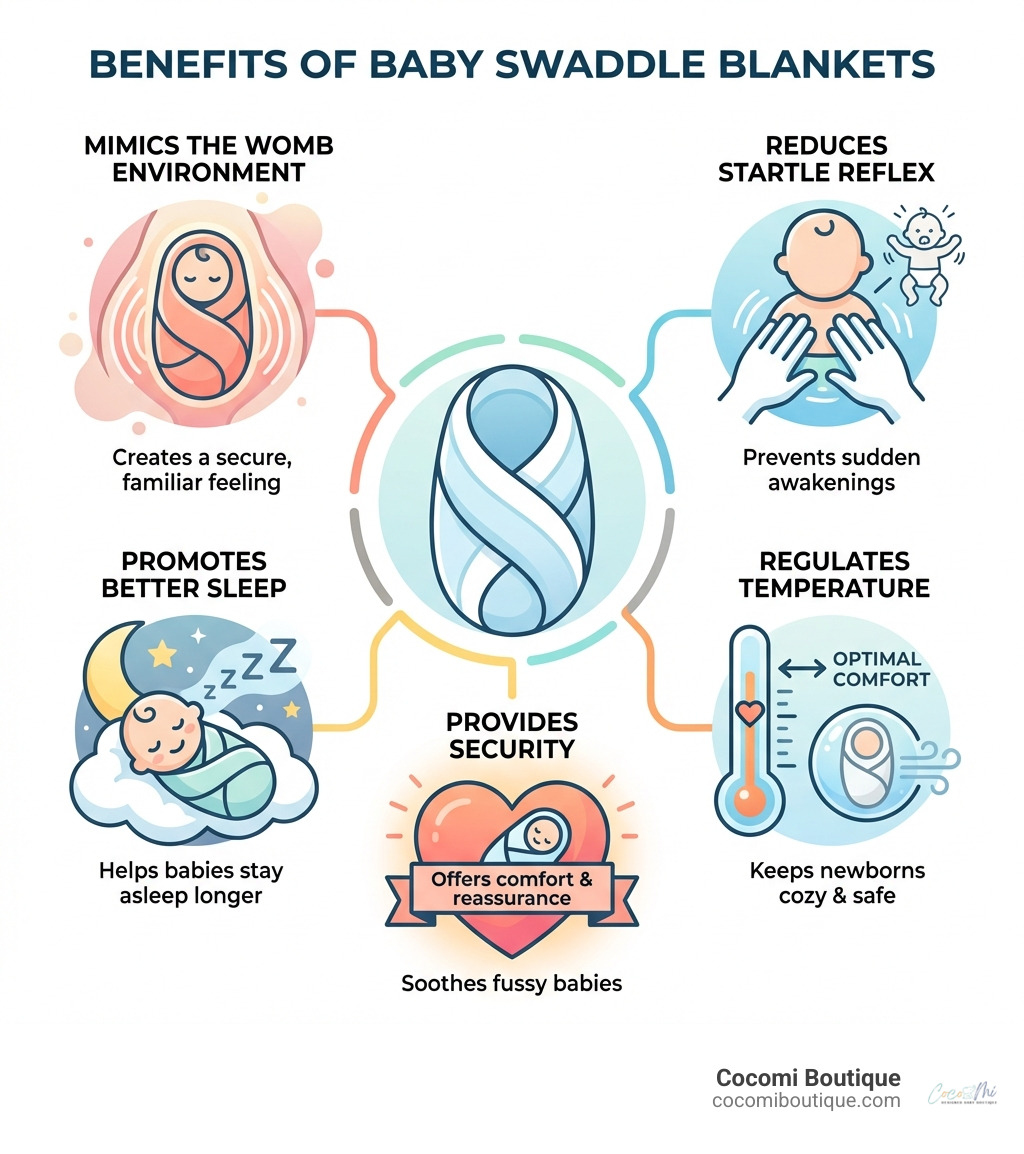
Baby swaddle blankets are essential tools for soothing newborns and promoting better sleep. Here's what you need to know:
Top Benefits:
- Mimics the womb - Creates a secure, familiar feeling for newborns
- Calms the startle reflex - Prevents babies from waking themselves
- Promotes longer sleep - Helps babies stay asleep for extended periods
- Provides warmth - Keeps newborns cozy until their temperature regulation develops
- Soothes fussy babies - Offers comfort during colic or stressful moments
Key Features to Look For:
- Breathable fabrics (organic cotton, muslin, bamboo)
- Appropriate size (typically 40-48 inches square)
- Hip-healthy design (allows leg movement)
- Easy-to-clean materials
That adorable "baby burrito" look isn't just cute—it's one of the most effective ways to help your newborn adjust to life outside the womb. Swaddling provides the snug security that babies crave, reducing the flailing movements that trigger their startle reflex and wake them from sleep. Research shows that swaddled babies often sleep more soundly and for longer stretches, giving exhausted parents some much-needed rest.
The right swaddle blanket combines softness, breathability, and ease of use. Materials like organic cotton muslin and bamboo offer gentle comfort against delicate skin while preventing overheating—a crucial safety consideration. Whether you choose a traditional square blanket or a wrap with convenient closures, the goal remains the same: creating a calm, secure environment that helps your little one drift off to dreamland.
Safety is paramount when swaddling. The American Academy of Pediatrics recommends always placing swaddled babies on their backs to sleep and ensuring the wrap allows free hip and leg movement to prevent hip dysplasia. You'll need to stop swaddling once your baby shows signs of rolling over, typically around 2-4 months of age.
I'm Monika Jarog, and I've spent years sourcing and designing handcrafted baby essentials, including premium baby swaddle blankets made from 100% natural, chemical-free materials that meet the highest European safety standards. My experience has taught me that the best swaddles combine luxurious softness with practical functionality, giving parents confidence while keeping babies comfortable and secure.
Baby swaddle blankets terms simplified:
Why Swaddling is a Game-Changer for Newborn Sleep
For centuries, parents have intuitively wrapped their newborns in blankets, and for good reason! Swaddling is a time-tested technique that offers a myriad of benefits for both baby and parent. It's more than just a cozy wrap; it's a tool that helps ease your newborn's transition from the snug environment of the womb to the big, wide world.
One of the primary benefits of using baby swaddle blankets is their ability to mimic the feeling of being in utero. As Kyle Monk, M.D., a pediatrician at Cedars-Sinai Medical Center, explains, "They're used to feeling snug in the womb, so they find swaddling comforting." This sense of security is vital for newborns, helping them feel safe and calm in their new surroundings.
Beyond comfort, swaddling is a game-changer for newborn sleep because it effectively calms the startle reflex, also known as the Moro reflex. This involuntary reflex causes babies to suddenly throw back their head, extend their arms and legs, and then quickly bring them back in, often waking themselves up in the process. Swaddling gently restricts these movements, preventing your little one from flailing and inadvertently startling themselves awake. As Stanford Children's Health explains, the Moro reflex is a normal part of newborn development, but it can be a significant disruptor to their precious sleep. By limiting this reflex, baby swaddle blankets help promote longer, more peaceful sleep cycles.
Swaddling also contributes to better infant sleep by providing a consistent cue for sleep. When your baby is swaddled, they begin to associate that snug feeling with sleep time. This routine can help establish healthy sleep patterns from an early age. The American Academy of Pediatrics (AAP) states that "when done correctly, swaddling can be an effective technique to help calm infants and promote sleep." This means more rest for your baby and, consequently, more rest for you!
Furthermore, swaddling can help soothe fussy babies, even those experiencing colic. The gentle pressure and containment can be incredibly comforting, helping to reduce crying and promote a sense of well-being. It can even provide comfort during uncomfortable moments, such as after a vaccination, as the snug wrap helps babies cope with pain and distress. Studies have shown that swaddled babies exhibited less distress during heel stick and weighing procedures compared to unswaddled infants.
At Cocomi Boutique, we understand the importance of a good night's sleep for everyone in the family. That's why we focus on providing premium baby swaddle blankets designed to maximize these benefits. For a deeper dive into ensuring your little one's sleep is as safe as it is sweet, explore our Ultimate Guide to Safe Swaddling for Newborns.
Choosing the Perfect Swaddle: A Parent's Guide
Navigating baby swaddle blankets can feel overwhelming with so many options available. But don't worry, we're here to guide you through what features to prioritize when choosing the perfect swaddle for your little one. Our goal is to help you find a swaddle that provides both comfort and security, ensuring sweet dreams for your baby and peace of mind for you.
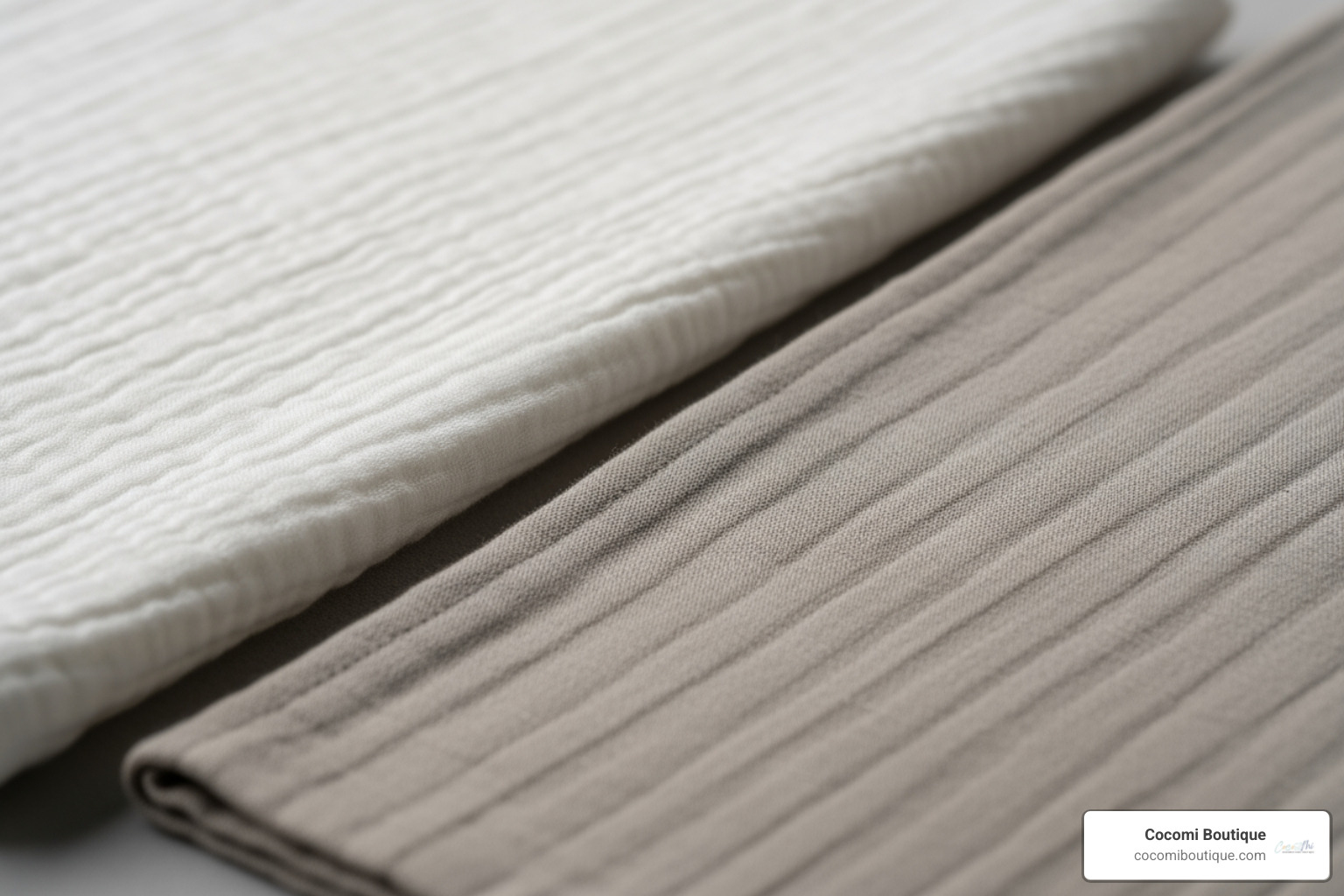
When selecting a swaddle, consider these key features:
- Material Choice: This is paramount for your baby's delicate skin and temperature regulation.
- Breathability: Essential to prevent overheating, a significant safety concern.
- TOG Rating: This indicates the thermal overall grade, helping you choose the right warmth for different seasons and room temperatures.
- Adjustability: A swaddle that can be adjusted for a snug yet comfortable fit as your baby grows is ideal.
- Size: Ensure the swaddle is appropriate for your baby's weight and length to be effective and safe. Most swaddles are between 40 to 48 inches square.
- Ease of Use: Especially during those 3 a.m. feedings, a swaddle that's easy to put on and take off is a lifesaver.
What are the best materials for baby swaddle blankets?
The material of your baby swaddle blankets plays a crucial role in your baby's comfort and safety. We advocate for natural, breathable fabrics that are gentle on sensitive skin and help regulate temperature.
- Organic Cotton: A top choice for its incredible softness, durability, and breathability. Organic cotton is grown without harmful pesticides, making it a wonderful hypoallergenic option. Our GOTS-certified organic cotton swaddles are consciously crafted with quality and sustainability in mind. They are highly breathable and supremely soft, getting even softer with each wash. For more on this, check out our guide on GOTS Certified Goodness: Finding the Perfect Organic Muslin Blanket.
- Muslin Fabric: Often made from cotton, muslin is renowned for its open weave, which makes it exceptionally breathable and lightweight. This allows for excellent airflow, reducing the risk of overheating. Muslin swaddles are also surprisingly durable and become softer with every wash.
- Bamboo Blends: Bamboo-infused fabrics, particularly those blended with muslin, offer an ultra-soft, luxurious feel. They possess natural moisture-wicking properties, which are excellent for temperature regulation, keeping your baby cool in warmer weather and cozy when it's cooler. They drape beautifully, conforming to your baby's body for a snug yet comfortable fit. Find more about the benefits of this material in Bamboo or Cotton: Your Guide to the Best Organic Muslin Swaddles.
- Knit Fabrics: Comfort Knit (often a cotton-rich blend with elastane) and Snuggle Knit (a blend of viscose, polyester, and elastane) offer stretch and flexibility, allowing for natural movement while still providing a secure feeling. Snuggle Knit, with its plush texture, is particularly great for cooler seasons, offering warmth and comfort.
When choosing a material, always prioritize softness, breathability, and ease of care. We believe in providing products that you can trust to be gentle against your baby's skin while standing up to frequent washing.
Swaddle Blankets vs. Swaddle Wraps
The market offers two main types of baby swaddle blankets: traditional square blankets and modern swaddle wraps. Understanding the difference can help you choose what best fits your needs and your baby's preferences.
Traditional Swaddle Blankets: These are typically large, square or rectangular pieces of fabric, often made from muslin or organic cotton. Their versatility is a huge advantage – they can be used for swaddling, as a nursing cover, a burp cloth, a stroller cover, or even a lightweight blanket as your baby grows. The art of traditional swaddling involves a specific folding technique (we'll cover this soon!). While some parents find them intimidating at first, with a little practice, they become second nature.
Swaddle Wraps: These are designed for ease of use and often come with built-in closures like zippers or Velcro. They simplify the swaddling process, making it quicker and often more secure, especially for parents who are new to swaddling or find traditional blankets tricky. As Tina Feeley, M.D., a pediatrician at Boston Children's Hospital, notes, "It's often easier to get a tight swaddle with a wrap, which can be more comforting for newborns." They are also much less likely to come undone during sleep. Many parents appreciate swaddle wraps with two-way zippers, which make nighttime diaper changes incredibly easy, minimizing disruption to your baby's sleep.
The choice between traditional baby swaddle blankets and swaddle wraps often comes down to personal preference and ease of use. Some babies may prefer the snugness of a wrap, while others might enjoy the freedom a traditional blanket can offer. You might even find yourself using both! To explore more options and find what suits your family best, take a look at our insights on Finding the Best Swaddle for Sweet Dreams.
Swaddling Safely: Best Practices and AAP Guidelines
While the benefits of baby swaddle blankets are clear, safety must always be our top priority. Swaddling, when done incorrectly, can pose risks to your baby. We adhere to the guidelines set forth by leading pediatric organizations, ensuring that our products and advice promote the safest sleep environment for your little one.
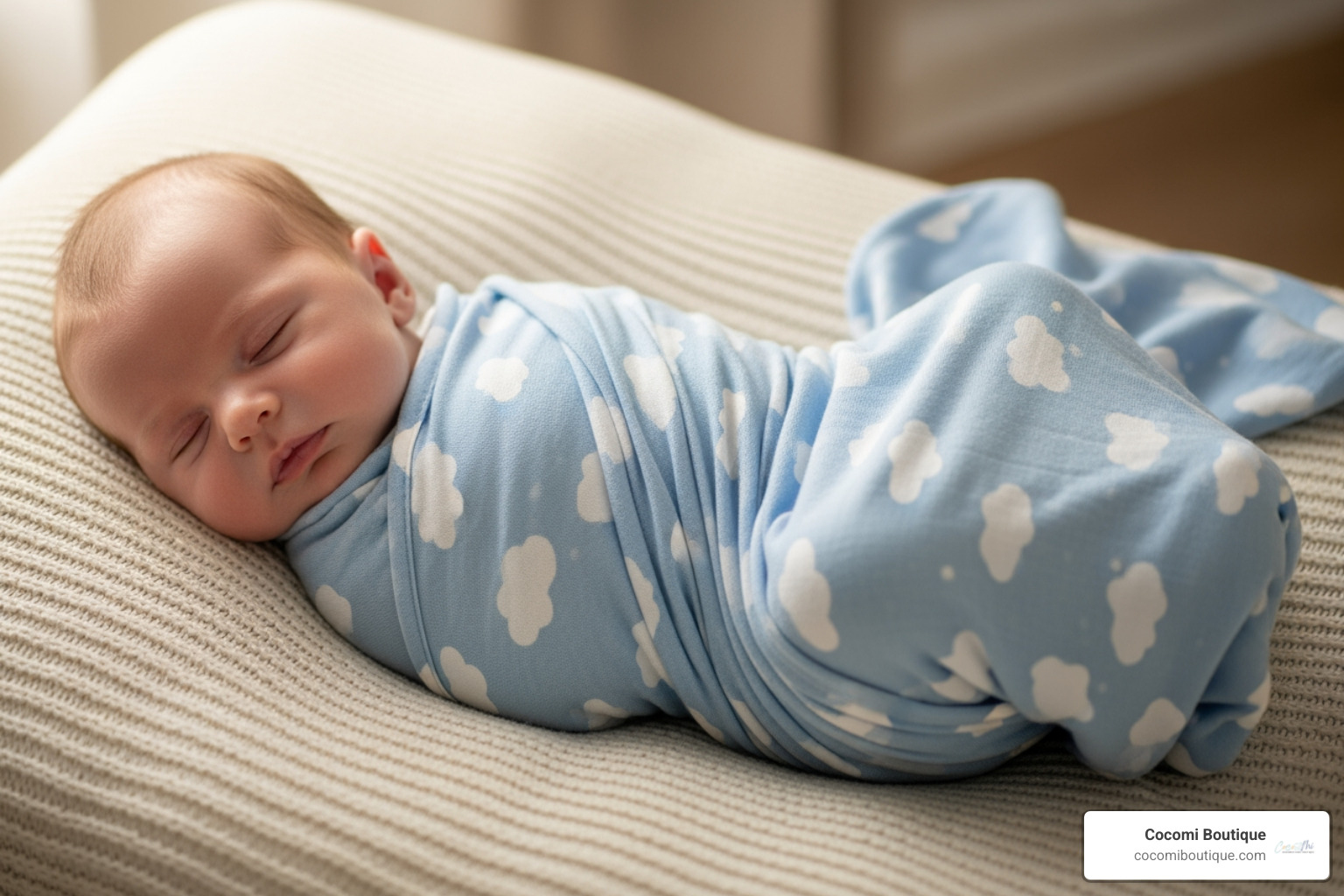
Here are the best practices for safe swaddling:
- Back to Sleep: Always place your swaddled baby on their back to sleep. This is the single most important rule for reducing the risk of Sudden Infant Death Syndrome (SIDS). The AAP strongly recommends this, stating that swaddling may lower arousal ability, which can be a problem if a baby rolls onto their stomach.
- Hip-Healthy Swaddling: This is crucial for preventing hip dysplasia, a condition where the hip joint doesn't develop properly. Ensure that the swaddle allows your baby's legs to bend up and out at the hips, mimicking their natural fetal position. The International Hip Dysplasia Institute (IHDI) emphasizes that swaddling should not force the legs into an extended, straightened position. We ensure our baby swaddle blankets are designed to support hip-healthy swaddling.
- Avoiding Overheating: Babies cannot regulate their body temperature as effectively as adults. Overheating can increase the risk of SIDS. Use breathable fabrics like organic cotton or muslin, and dress your baby in light clothing underneath the swaddle – often just a lightweight onesie is enough. The room temperature should be comfortable, ideally between 68-72°F. Always check your baby for signs of overheating such as sweating, damp hair, flushed cheeks, or rapid breathing.
- Proper Tightness: The swaddle should be snug enough to prevent your baby from wriggling out, but not so tight that it restricts breathing or circulation. You should be able to fit two to three fingers between the swaddle and your baby's chest. Avoid weighted swaddles or putting weighted objects inside the swaddle, as these are not recommended for safe sleep.
- Clear Sleep Space: The sleep environment should be free of loose blankets, bumpers, pillows, stuffed animals, or any other soft objects. A fitted crib sheet and a properly swaddled baby are all that should be in the crib.
The AAP consistently updates its recommendations for safe infant sleep, and we align with these expert guidelines. For detailed information, refer to Swaddling: Is it Safe? from HealthyChildren.org and our own comprehensive guide on Sweet Dreams: Ensuring Muslin Blanket Safety for Your Little One.
How to Swaddle a Baby: Step-by-Step
Mastering the art of swaddling can feel like a superpower for new parents. With our high-quality baby swaddle blankets and these simple steps, you'll be wrapping your little one like a pro in no time!
Here’s our step-by-step guide to properly swaddling your baby for safety and comfort:
- Prepare Your Space: Lay your chosen swaddle blanket flat on a firm, safe surface (like a changing table or the floor) in a diamond shape. Fold down the top corner about 6-8 inches. This creates the top edge for your baby's head.
- Position Your Baby: Gently place your baby face-up in the center of the blanket, with their head resting above the folded edge and their shoulders aligned with the fold. Their body should be straight down the middle of the diamond.
- Tuck the First Arm: Gently straighten your baby’s left arm alongside their body. Take the left side of the blanket, pull it across your baby's body, and tuck it snugly under their right side. Ensure it’s secure but not too tight.
- Fold the Bottom: Take the bottom corner of the blanket and bring it up over your baby's feet and chest. Tuck this fabric loosely under the first fold or simply lay it over their chest. It's crucial here to ensure there’s plenty of room for your baby's hips and legs to move freely and comfortably. Remember: hip-healthy swaddling means legs can bend and spread.
- Secure the Second Arm: Gently straighten your baby’s right arm alongside their body. Take the right side of the blanket, pull it across your baby's body, and tuck it securely under their left side.
- Final Check: The swaddle should be snug around the torso to prevent escape, but loose around the hips and legs. You should be able to slide two to three fingers between the swaddle and your baby's chest. Ensure the blanket is not covering your baby's face or neck.
With a little practice, this method will become second nature, even during those sleepy 3 a.m. wake-ups! For a visual guide and more tips, check out Wrapping Wonders: An Illustrated Guide to Perfect Baby Swaddling.
Frequently Asked Questions about Baby Swaddle Blankets
We know new parents have a lot of questions, and we're here to provide clear, helpful answers about baby swaddle blankets.
When should I stop swaddling my baby?
This is one of the most common questions we hear, and it's a very important one for safety. The general consensus from pediatric experts, including the American Academy of Pediatrics (AAP), is that you should stop swaddling your baby as soon as they show signs of trying to roll over.
Why is this so crucial? If a swaddled baby rolls onto their stomach, they may not have the arm strength or mobility to roll back over, increasing the risk of suffocation. Rolling over can happen surprisingly early – some babies begin to attempt it around 2 months of age, though it's more typical between 3 and 4 months. As Dr. Jesil Pazhayampallil, a pediatrician at Good Samaritan University Hospital, notes, "Many doctors will advise stopping at 2 months of age," because that's when some babies start trying to roll.
Signs that your baby is ready to stop swaddling include:
- Attempting to roll from back to stomach.
- Consistently wriggling out of the swaddle.
- Showing increased frustration or resistance to being swaddled.
Once your baby starts showing these signs, it's time to transition them out of the swaddle. The good news is there are great alternatives! Sleep sacks and wearable blankets are excellent options that provide warmth and comfort without restricting your baby's arms, allowing them to move freely and safely. You can transition gradually by swaddling with one arm out for a few nights, then both arms out, before moving to a full sleep sack. For more on safe sleep practices, consult the AAP's Parent's Guide to Safe Sleep.
What if my baby doesn’t like being swaddled?
Not every baby is a fan of the "baby burrito" life, and that's perfectly okay! While many newborns find swaddling soothing, some simply don't. As Dr. Jesil Pazhayampallil explains, "not all babies like to be swaddled."
Signs your baby might not like being swaddled include:
- Fighting the swaddle: If your baby constantly struggles, kicks, or tries to break free, they might be telling you they prefer more freedom.
- Crying or fussing: If swaddling makes your baby more upset rather than calm, it's likely not working for them.
- Preferring arms out: Some babies simply like to have their hands near their face or chest for self-soothing.
If your baby consistently shows signs of dislike, there's no need to force it. You can try alternative approaches:
- Arms-out swaddling: Some swaddles are designed to allow arms to be free while keeping the torso snug. This can offer a sense of security without restricting arm movement.
- Sleep sack alternatives: As mentioned earlier, sleep sacks provide warmth and a cozy feeling without any arm restriction. They are a safe and comfortable alternative for babies who prefer more freedom.
- Other soothing methods: Explore other ways to comfort your baby, such as gentle rocking, white noise, a pacifier, or skin-to-skin contact. Every baby is unique, and what works for one may not work for another.
The goal is to create a secure and comfortable environment for your baby to sleep. If swaddling isn't contributing to that, it's perfectly fine to explore other options.
Are there special baby swaddle blankets for preemies?
Yes, absolutely! Premature babies have unique needs, and we're dedicated to providing gentle hugs for our tiniest bundles. Special baby swaddle blankets designed for preemies take into account their delicate skin, smaller size, and heightened need for warmth and security.
For premature infants, swaddling can be even more beneficial. It provides a sense of containment and mimics the continuous touch and boundaries they would have experienced in the womb. This gentle containment can help them feel more secure, reduce stress, and promote better neurodevelopmental outcomes.
Key features of swaddles recommended for preemies include:
- Smaller sizing: Preemie swaddles are proportioned to fit their tiny bodies snugly and safely, preventing excess fabric that could be a hazard.
- Extra soft and gentle materials: Their skin is incredibly delicate, so ultra-soft, breathable fabrics like organic cotton or bamboo are essential to prevent irritation.
- Temperature regulation: Premature babies often have difficulty regulating their body temperature. Preemie swaddles help maintain warmth without overheating, crucial for their well-being.
- Ease of access for medical care: Some preemie swaddles are designed with features that allow for easy access for medical lines or diaper changes without fully unwrapping the baby.
A study on preterm infants showed that swaddling during procedures like heel sticks reduced pain responses, highlighting its calming effect. We understand the importance of this gentle care, which is why we offer options specifically designed to meet these needs. For more detailed information and products custom for our littlest ones, please visit our page on Preemie Swaddle Blankets: Gentle Hugs for Your Little One.
Conclusion
As we've explored, baby swaddle blankets are far more than just pretty fabrics; they are invaluable tools that can transform the newborn experience for both babies and parents. From mimicking the comforting accept of the womb and calming the startle reflex to promoting longer, more peaceful sleep, the benefits are truly profound.
However, the magic of swaddling lies in its safe and informed practice. We've highlighted the importance of choosing breathable, hip-healthy materials like organic cotton, muslin, and bamboo, understanding TOG ratings, and always adhering to AAP guidelines – particularly the "back to sleep" rule and discontinuing swaddling once your baby shows signs of rolling over. Whether you opt for a versatile traditional blanket or a convenient swaddle wrap, ensuring proper technique is paramount for your baby's comfort and safety.
At Cocomi Boutique, we are deeply committed to quality, care, and customer satisfaction. We carefully source and design our baby swaddle blankets and other baby essentials, ensuring they are made from 100% natural, chemical-free materials and meet the highest safety standards. We believe that every baby deserves to be wrapped in luxurious softness that also provides practical functionality and peace of mind for parents.
We hope this guide has empowered you with the knowledge to make confident choices for your little one's sweet dreams. We invite you to find our carefully curated collection, designed with love right here in Illinois. Explore our collection of organic swaddles and other baby essentials and experience the Cocomi Boutique difference.