

Why Every New Parent Needs to Understand Swaddling
Swaddles for newborns are one of the most effective tools for helping your baby (and you) get better sleep in those challenging early weeks. Here's what you need to know:
Quick Answer: Choosing Swaddles for Newborns
- What they do: Swaddles recreate the snug, secure feeling of the womb, calming your baby's startle reflex and promoting longer sleep
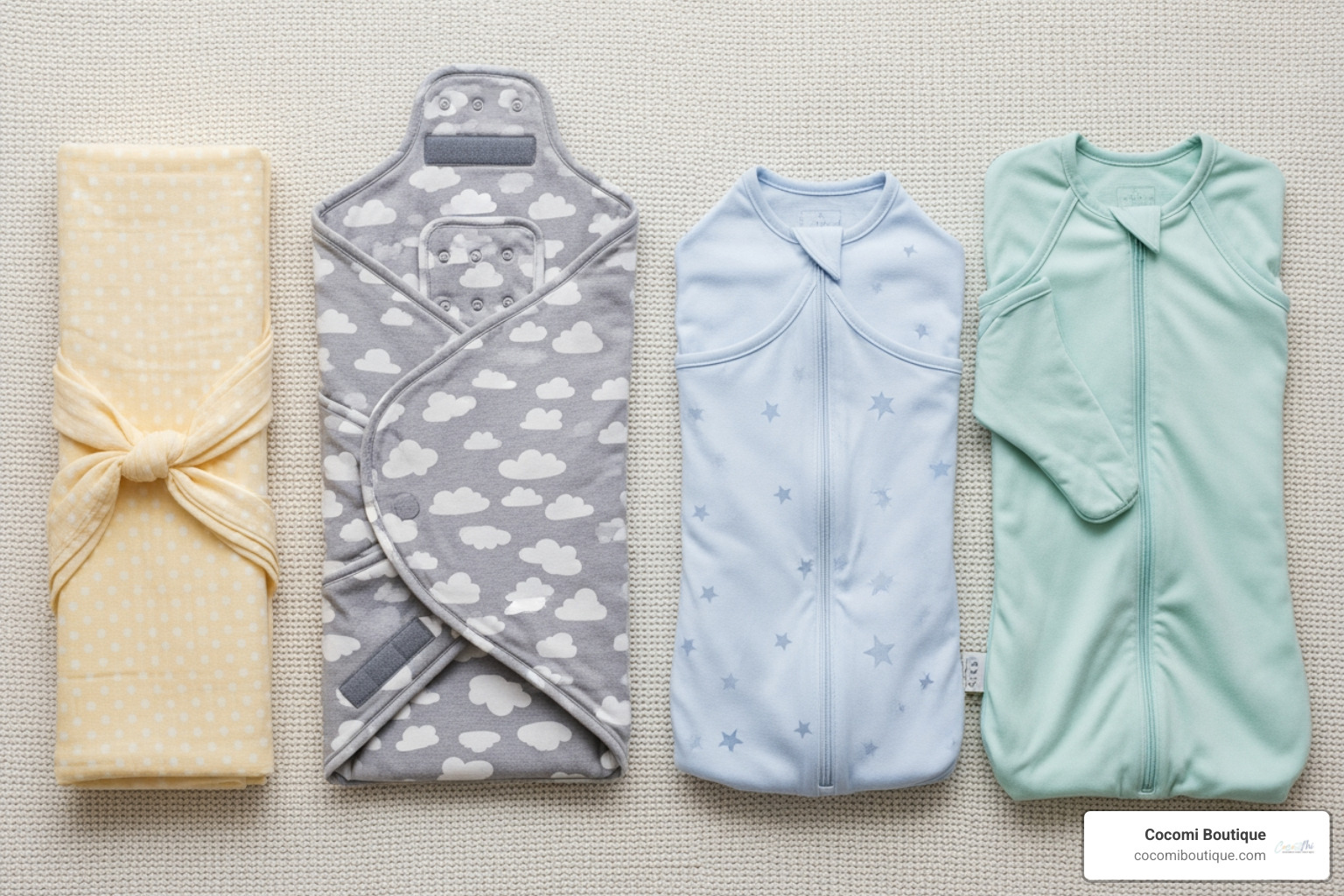
- Types available: Traditional muslin blankets, easy-wrap swaddles with fasteners, zippered sleep sacks, and transitional designs
- Key features: Look for breathable materials (cotton, bamboo, or merino wool), hip-healthy design, and appropriate TOG ratings for your climate
- When to use: From birth until your baby shows signs of rolling over (typically 2-4 months)
"We bought literally every swaddle for my first baby. We tried everything," one parent shared in their review. Their baby would only sleep when held, leading to severe postpartum anxiety and relationship strain. When they finally found the right swaddle, their baby slept for five hours the first night—and everything changed.
The truth is, most newborns sleep better when swaddled. Medical research confirms that swaddling helps calm the Moro reflex (that jerky startle that wakes babies up) and improves overall sleep quality. In fact, 83% of parents reported getting more sleep when using quality swaddles with their babies.
But not all swaddles work the same way. Some babies need their arms up to self-soothe by bringing their hands to their mouth. Others sleep better with arms tucked in. The material matters too—breathable fabrics prevent overheating, while the right TOG rating keeps your baby comfortable in any season.
I'm Monika Jarog, and I've spent years designing handcrafted baby essentials from 100% natural, chemical-free materials that meet the highest European safety standards, including premium swaddles for newborns that prioritize both comfort and safety. My approach combines luxury with practicality, ensuring your little one gets the restful sleep they need.
Swaddles for newborns vocab to learn:
Why Swaddling is a Newborn Essential
Bringing a newborn home is a whirlwind of joy, wonder, and often, a significant lack of sleep. This is where the ancient practice of swaddling becomes a modern parent's best friend. Swaddling isn't just about wrapping your baby up; it's about providing a sense of security and familiarity that helps them adjust to the world outside the womb.
What is a swaddle and why is it important for newborns? A swaddle is a piece of fabric or a specially designed garment used to snugly wrap a baby, typically with their arms contained. This gentle accept mimics the close confines of the womb, providing comfort and security that can be incredibly soothing for a newborn. For us, at Cocomi Boutique, we understand that this comfort translates into happier babies and more rested parents in places like Northbrook, Chicago, and all across Illinois.
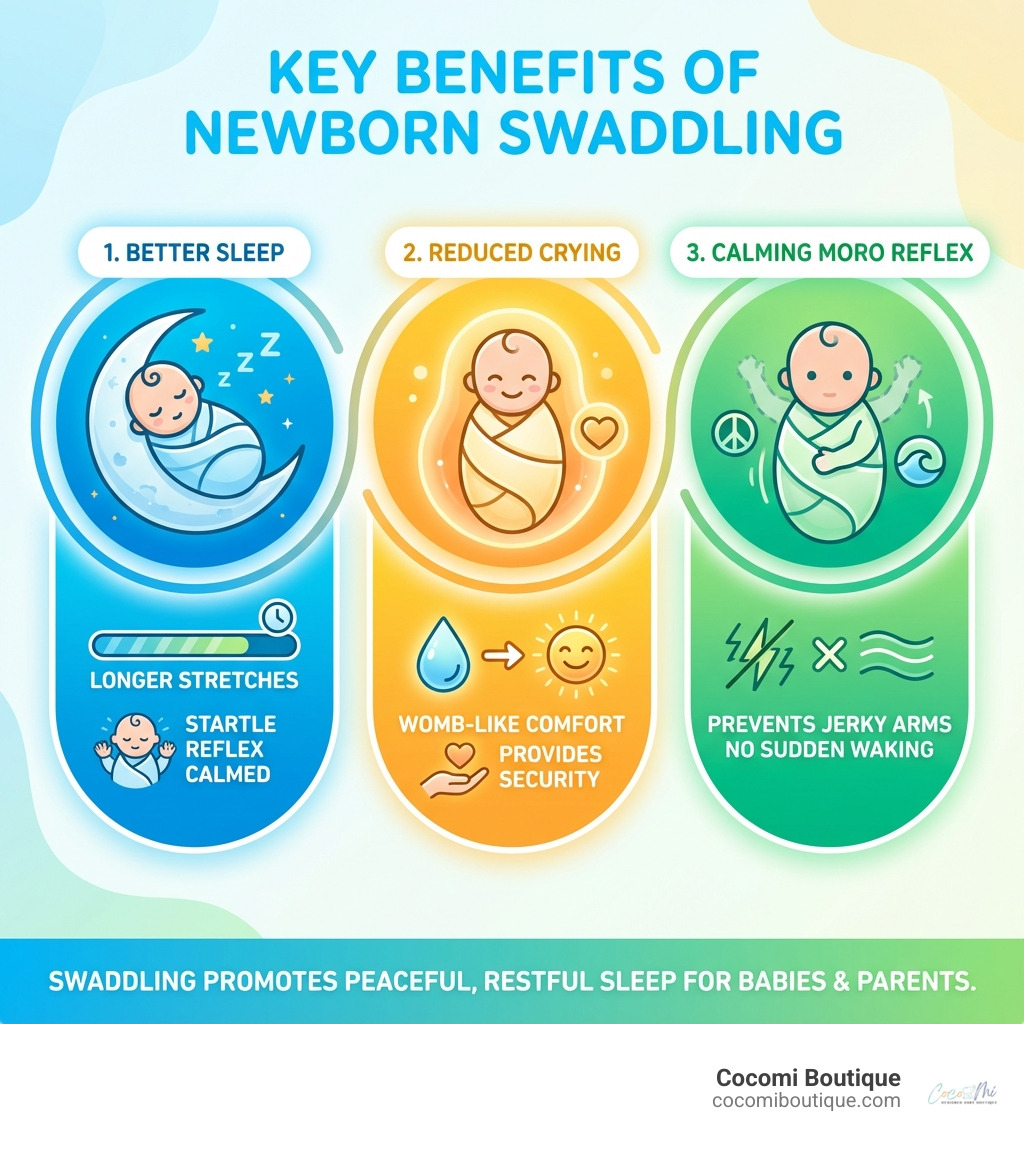
How do swaddles help with common newborn issues like the startle reflex? One of the most common reasons parents turn to swaddling is to manage the newborn startle reflex, also known as the Moro reflex. This involuntary reflex causes babies to suddenly fling their arms and legs out, often waking themselves up with a jolt. It's a completely normal part of development, but it can be quite disruptive to sleep. By gently securing your baby's arms, a swaddle prevents these jerky movements, allowing them to remain asleep and undisturbed. This simple act can make a world of difference for a baby struggling to sleep through these sudden movements.
What are the benefits of using a swaddle for a newborn's sleep? The benefits of swaddling for a newborn's sleep are numerous and well-documented:
- Calms the startle reflex: As mentioned, this is a primary function, leading to longer, more peaceful sleep periods.
- Promotes longer sleep: When babies aren't startling themselves awake, they tend to sleep for longer stretches. Medical research consistently suggests that swaddling is beneficial in helping newborns sleep better.
- Recreates the womb environment: The snug feeling is incredibly comforting, helping babies feel safe and secure, easing their transition to the outside world.
- Reduces crying: A comforted baby is often a calmer baby. Swaddling can help soothe fussy newborns, making those challenging early weeks a little easier.
- Facilitates self-soothing: While some swaddles restrict arm movement completely, many modern designs allow for a natural 'arms-up' position, enabling babies to bring their hands to their mouth. This allows for true self-soothing, a natural way babies settle themselves to sleep by sucking on their hands or rubbing their cheeks. This also helps develop mouth muscles for feeding and speech.
- Provides a safer sleep environment: When used correctly, swaddles eliminate the need for loose blankets in the crib, which are a safety hazard for newborns.
The impact of swaddling on parental well-being cannot be overstated. When babies sleep better, parents sleep better. The statistic that 83% of parents noted getting more sleep with their baby in a quality swaddle underscores the profound difference this simple tool can make. For new parents in Glenview, Glencoe, or Winnetka, getting more sleep can significantly reduce parental stress and improve overall family harmony.
A Swaddle for Every Sleeper: Finding the Right Type
Just as every baby is unique, so too are the options for swaddles for newborns. The market offers a wonderful variety, each with its own advantages, designed to cater to different preferences and needs. Understanding these types will help you choose the best fit for your little one and your lifestyle.
Traditional Swaddle Blankets
These are the classic, square or rectangular blankets, often made from soft, breathable fabrics like muslin. Our Ultimate Guide to Cotton Muslin Baby Blankets: Softness & Safety digs into why these are a timeless choice.
- Versatility: Beyond swaddling, traditional blankets can be used as nursing covers, burp cloths, stroller covers, or even for tummy time. This multi-purpose functionality makes them a staple for any new parent in Highland Park or Buffalo Grove.
- Material: Cotton muslin is a popular choice due to its lightweight and breathable properties, ensuring your baby stays comfortable without overheating.
- Requires practice: Mastering the perfect swaddle wrap with a traditional blanket takes a bit of practice. However, once you get the hang of it, it provides a secure and customizable snugness. Our Wrapping Wonders: An Illustrated Guide to Perfect Baby Swaddling can guide you through the technique.
Modern Swaddle Wraps & Pouches
These types of swaddles for newborns are designed for convenience, making swaddling quick and easy, especially for sleep-deprived parents.
- Swaddles with easy fasteners: These often feature Velcro, snaps, or a combination, allowing for a secure fit without complex folding. They are a must-have for new parents seeking safer, more restful sleep, making middle-of-the-night diaper changes a breeze without fully waking the baby.
- Zippered swaddles: These are pouch-like designs that your baby simply slides into, and then you zip them up. They offer a consistently snug fit and are incredibly simple to use. Many come with two-way zippers, which are fantastic for quick diaper changes without having to unswaddle your baby completely.
- Arms-in vs. arms-out designs: Some modern swaddles offer flexibility, allowing you to position your baby's arms either tucked in or in an 'arms-up' position. The 'arms-up' design is particularly beneficial for babies who prefer to self-soothe by bringing their hands to their mouth.
Swaddles vs. Sleep Sacks
It’s common to confuse these two, but they serve distinct purposes in a baby's sleep journey.
-
What is the difference between a swaddle and a sleep sack?
- Swaddle: A swaddle is designed to snugly wrap a newborn, restricting arm movement to calm the startle reflex and recreate the feeling of the womb. It's typically used from birth until a baby shows signs of rolling over.
- Sleep Sack (Wearable Blanket): A sleep sack, or wearable blanket, is a bag-like garment worn over pajamas. It provides warmth and security but does not restrict arm movement. Sleep sacks are used when a baby outgrows swaddling and can roll over, offering a safe alternative to loose blankets.
- When to use a sleep sack: Once your baby begins to show signs of rolling over, typically between 2 to 4 months, it's time to transition out of the swaddle and into a sleep sack. This is crucial for safety, as a baby who rolls onto their stomach while swaddled may not be able to push themselves back. Sleep sacks provide warmth and comfort while allowing full arm and leg mobility.
How to Choose the Best Swaddles for Newborns
Choosing the ideal swaddles for newborns means considering several factors beyond just aesthetics. We want to ensure your little one in Deerfield, Riverwoods, or any of our Illinois communities is safe, comfortable, and sleeping soundly.
| Feature | Cotton | Bamboo | Merino Wool |
|---|---|---|---|
| Breathability | Excellent | Superior | Excellent, temperature-regulating |
| Softness | Soft, softens with washes | Silky soft, luxurious feel | Incredibly soft, non-itchy |
| Warmth | Moderate, depends on weave (muslin is light) | Moderate, good for all seasons | Excellent, naturally regulates body temperature |
| Care | Easy to care for, machine washable | Machine washable, gentle cycle recommended | Hand wash or gentle machine wash, air dry |
Choosing the Right Material for Your Baby
The fabric your baby's swaddle is made from plays a critical role in their comfort and safety. We prioritize natural, breathable materials for our swaddles for newborns.
- Cotton properties: Cotton, especially organic cotton, is a perennial favorite for baby products. It's soft, durable, and highly breathable, making it excellent for sensitive skin. Our Organic Cotton Swaddle Blankets: A Guide to the Softest Snuggles highlights its gentle nature. Cotton muslin, in particular, is lightweight and airy, ideal for warmer climates or layered use.
- Bamboo benefits: Bamboo fabric offers unparalleled softness, often described as silky. It's also incredibly breathable, moisture-wicking, and naturally hypoallergenic, making it a fantastic choice for babies with sensitive skin or eczema. For a deeper dive, explore our Bamboo or Cotton? Your Guide to the Best Organic Muslin Swaddles. Many parents find our organic bamboo swaddles to be an absolute dream for their little ones.
- Merino wool for temperature regulation: Merino wool is a premium fiber known for its exceptional temperature-regulating properties. It keeps babies warm in cooler temperatures and cool in warmer ones, making it versatile for all seasons. It’s also incredibly soft and gentle, not itchy like traditional wool. This natural ability to adapt to temperature changes is a huge plus for ensuring your baby doesn't overheat or get too cold.
Understanding Sizing and TOG Ratings for swaddles for newborns
Getting the right fit and warmth level is essential for both comfort and safety.
- Sizing by weight: Always choose swaddle sizing based on your child's weight, not their age. A swaddle that is too large can become loose and pose a suffocation risk, while one that is too small can restrict movement and hip development. Most brands provide clear weight guidelines (e.g., Newborn size typically for 5-8.5 lbs, Small for 8-13 lbs). A snug fit ensures the swaddle stays in place without being overly restrictive.
- What is a TOG rating?: TOG stands for "Thermal Overall Grade." It's a unit of measurement used to indicate the thermal insulation of a fabric. A higher TOG rating means the fabric is warmer, while a lower TOG rating indicates a lighter, cooler fabric.
-
Choosing TOG by season; Room temperature guide: This is crucial for preventing overheating, which has been linked to SIDS. We want to ensure families in Wheeling and Prospect Heights have the right information to keep their babies safe.
- 0.2 - 0.5 TOG: Very light, suitable for warm climates (75-81°F / 24-27°C). Ideal for summer swaddles for newborns.
- 1.0 TOG: Lightweight, good for moderate temperatures (68-75°F / 20-24°C). Perfect for spring/fall or air-conditioned rooms.
- 2.5 TOG: Mid-weight, suitable for cooler temperatures (61-68°F / 16-20°C). Great for winter swaddles for newborns.
- 3.5 TOG: Heavy-weight, for very cold rooms (below 61°F / 16°C). Always dress your baby in appropriate clothing underneath the swaddle based on the room temperature to avoid overheating. A lightweight onesie is often sufficient.
Key features to look for in high-quality swaddles for newborns
When you're investing in swaddles for newborns, especially from a brand like ours that prides itself on quality and care, there are specific features that lift a good swaddle to a great one.
- Seamless design: A seamless design reduces potential irritation points on your baby's delicate skin. This is especially important for sensitive babies who might react to seams or tags.
- Sensory-friendly materials: Look for ultra-soft, smooth fabrics that are free from harsh dyes or chemicals. Our commitment to GOTS Certified goodness ensures that our organic muslin blankets meet stringent ecological and social criteria, providing a truly sensory-friendly experience.
- Two-way zippers: This seemingly small feature makes a huge difference. A two-way zipper allows you to change a diaper from the bottom up without fully unswaddling your baby, minimizing disruption to their sleep.
- Hip-healthy certification: A crucial safety consideration. A hip-healthy swaddle allows your baby's hips and legs to move freely in a natural "M" or "frog-leg" position. According to the International Hip Dysplasia Institute, swaddles that restrict this movement can contribute to hip dysplasia. Always ensure the swaddle provides ample room for hip development.
The Golden Rules: Safe Swaddling and When to Transition
Swaddling is a wonderful tool, but like all baby products, it comes with crucial safety guidelines. Our primary goal is always the well-being of your little one in Northfield, Chicago, and all the communities we serve.

Safe Swaddling Practices
Adhering to these "golden rules" ensures that your baby reaps the benefits of swaddling safely. For a complete overview, refer to The Ultimate Guide to Safe Swaddling for Newborns.
- Back to sleep: Always place your swaddled baby on their back to sleep. This is the safest sleep position for infants and helps reduce the risk of SIDS. Never place a swaddled baby on their side or stomach.
- Snug fit, not tight: The swaddle should be snug enough that your baby cannot wiggle their arms free, but not so tight that it restricts breathing or circulation. You should be able to slide two to three fingers comfortably between the swaddle and your baby's chest.
- Room for hip movement: Ensure the bottom of the swaddle is loose enough to allow your baby's legs to bend up and out at the hips. Their legs should not be forced straight down. This "frog-leg" position is vital for healthy hip development.
- Avoiding overheating: Babies cannot regulate their body temperature as effectively as adults. Check your baby's temperature by feeling their chest or back; they should feel warm, not hot or sweaty. Adjust layers underneath the swaddle and the swaddle's TOG rating according to the room temperature. Signs of overheating include flushed cheeks, sweating, rapid breathing, and damp hair.
Signs It's Time to Stop Swaddling
Swaddling is a temporary tool. There comes a point when it's no longer safe or necessary. Knowing when to stop is just as important as knowing how to swaddle.
When should you stop swaddling? The most critical sign that it's time to stop swaddling is when your baby shows any signs of being able to roll over independently. This typically occurs between 2 and 4 months of age, but some babies develop this skill earlier. Once a baby can roll, a swaddle becomes a safety hazard because if they roll onto their stomach, they may not be able to roll back or lift their head, increasing the risk of suffocation.
Other signs include:
- Breaking free from the swaddle: If your baby consistently manages to get their arms out of the swaddle, it's a clear indication that they need more freedom of movement.
- Startle reflex diminishes: Around 3-4 months, the Moro reflex naturally begins to fade. If your baby is no longer startling themselves awake, the primary benefit of swaddling has diminished.
- Age guidelines: While some sources suggest stopping at a certain age (e.g., 2 months), it's more important to observe your baby's developmental milestones, especially rolling, rather than strictly adhering to an age.
How to Transition Out of the Swaddle
Transitioning out of the swaddle can sometimes be a bumpy road, but a gradual approach can make it smoother for both you and your baby.
- One arm out method: Start by swaddling your baby with one arm out for a few nights. This allows them to get used to having an arm free while still benefiting from the security of the swaddle on the rest of their body. Once they adjust to one arm out, you can try two arms out.
- Transition swaddles/sacks: Many brands offer specialized transition swaddles or sleep sacks. These might have detachable sleeves or a looser fit around the arms, providing a halfway step between a full swaddle and a sleep sack. They maintain some of the comforting pressure while allowing more arm movement.
- Gradual process: Don't expect an overnight change. This transition might take several days or even a couple of weeks. Be patient and consistent.
- Establishing new sleep cues: As you phase out the swaddle, reinforce other calming bedtime routines. This could include a warm bath, a gentle massage, quiet reading, or soft lullabies. These consistent cues will help your baby associate the routine with sleep, replacing the swaddle as the primary sleep signal.
Every baby is different. What works for one may not work for another. We encourage parents in communities like Northbrook, Chicago, and all across Illinois to observe their baby's cues and adjust accordingly.
Conclusion
The journey through newborn parenthood is filled with countless decisions, and choosing the right swaddles for newborns is one that can significantly impact the peace and well-being of your entire family. We've explored what swaddles are, why they're essential for calming the startle reflex and promoting better sleep, and the various types available from traditional blankets to modern zippered pouches. We've also highlighted the importance of selecting breathable materials like cotton, bamboo, or merino wool, understanding TOG ratings for temperature regulation, and prioritizing hip-healthy designs.
Swaddling is a temporary, yet incredibly effective, tool that helps bridge the gap between the snug security of the womb and the vastness of the outside world. It offers comfort, promotes self-soothing, and, crucially, helps everyone get a little more precious sleep. However, safety is paramount, and knowing when and how to transition your baby out of the swaddle is just as important as knowing how to use it.
At Cocomi Boutique, we are committed to providing soft, stylish, and high-quality swaddles for newborns designed with utmost care and attention to detail. Our dedication to natural, chemical-free materials ensures your little one receives the gentlest accept. For soft, stylish, and high-quality swaddles designed with care, we invite you to explore the Cocomi Boutique collection. We are proud to serve families in Northbrook, Chicago, Deerfield, Riverwoods, and throughout Illinois, offering products that combine luxury with the practicality every new parent needs.
For more insights into creating the perfect sleep environment for your baby and navigating the wonderful world of parenthood, discover more tips and guides on our blog.