

Why Baby Swaddle Matters for Your Newborn's Comfort
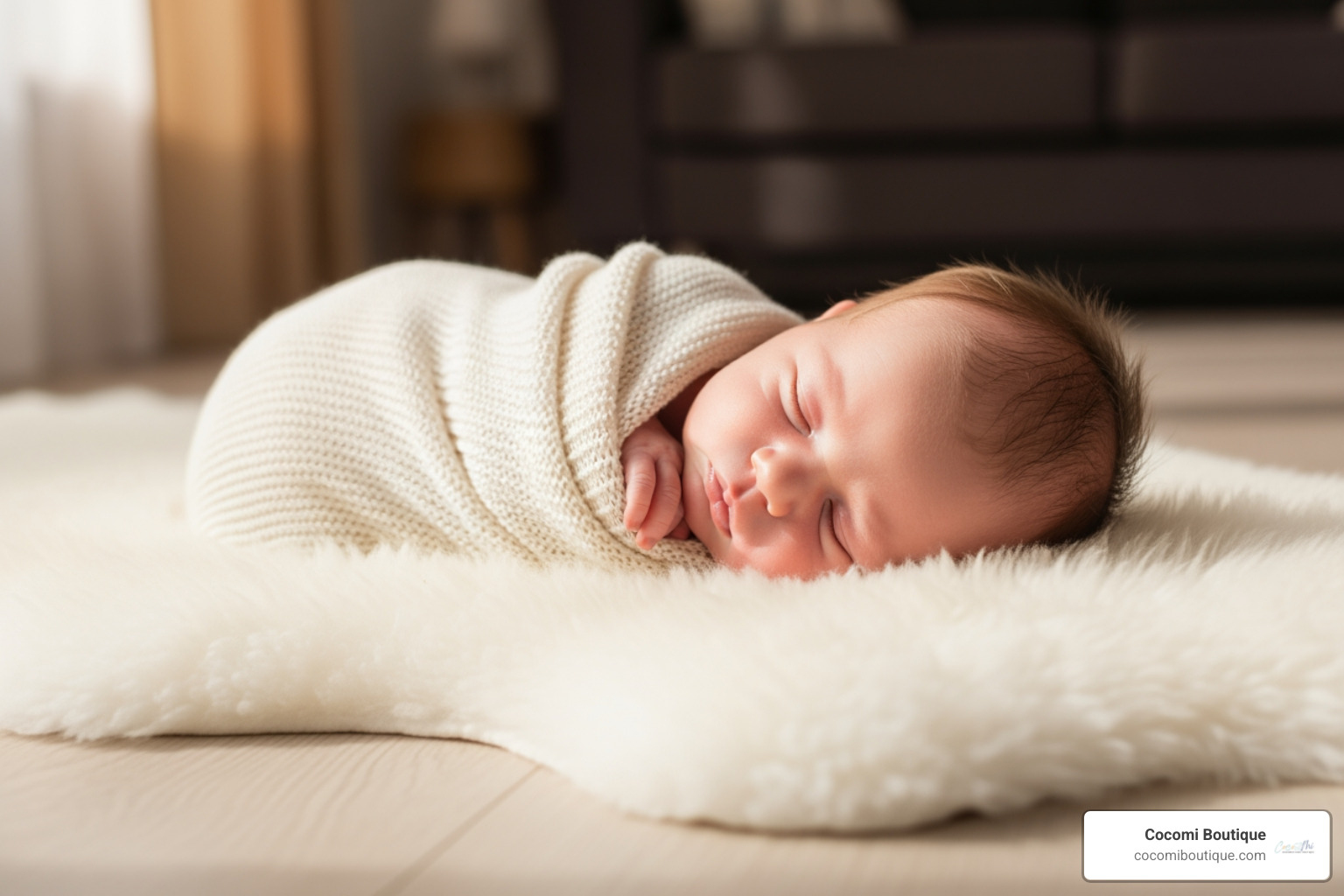
Baby swaddle is the practice of snugly wrapping your newborn in a blanket to recreate the cozy, secure feeling of the womb. Here's what you need to know:
Quick Answer: How to Swaddle Your Baby
- Lay a square blanket flat in a diamond shape and fold the top corner down
- Place baby on their back with shoulders at the fold line
- Wrap the left corner across baby's chest and tuck under their right side
- Fold the bottom corner up over baby's feet
- Wrap the right corner across and tuck under baby's left side
- Keep it snug but not tight—you should fit 2-3 fingers between baby's chest and the swaddle
When your new baby arrives home from the hospital, the world feels big and overwhelming to them. Swaddling helps ease this transition by mimicking the snug environment they knew for nine months. It limits the startle reflex that can wake babies during sleep, provides warmth, and offers a sense of security that helps many newborns settle down and sleep longer stretches.
As a parent who struggled to find baby essentials that truly delivered on comfort, safety, and quality, I understand the importance of getting swaddling right from day one. At Cocomi Boutique, I've dedicated years to sourcing and creating baby swaddle products made from 100% natural, chemical-free materials that meet the highest European safety standards. Throughout this guide, I've dedicated years to sourcing and creating baby swaddle products made from 100% natural, chemical-free materials that meet the highest European safety standards, and I'll share everything I've learned about safe swaddling practices to help your little one rest peacefully.
Find more about baby swaddle:
The "Fourth Trimester": Why Swaddling Soothes Your Newborn
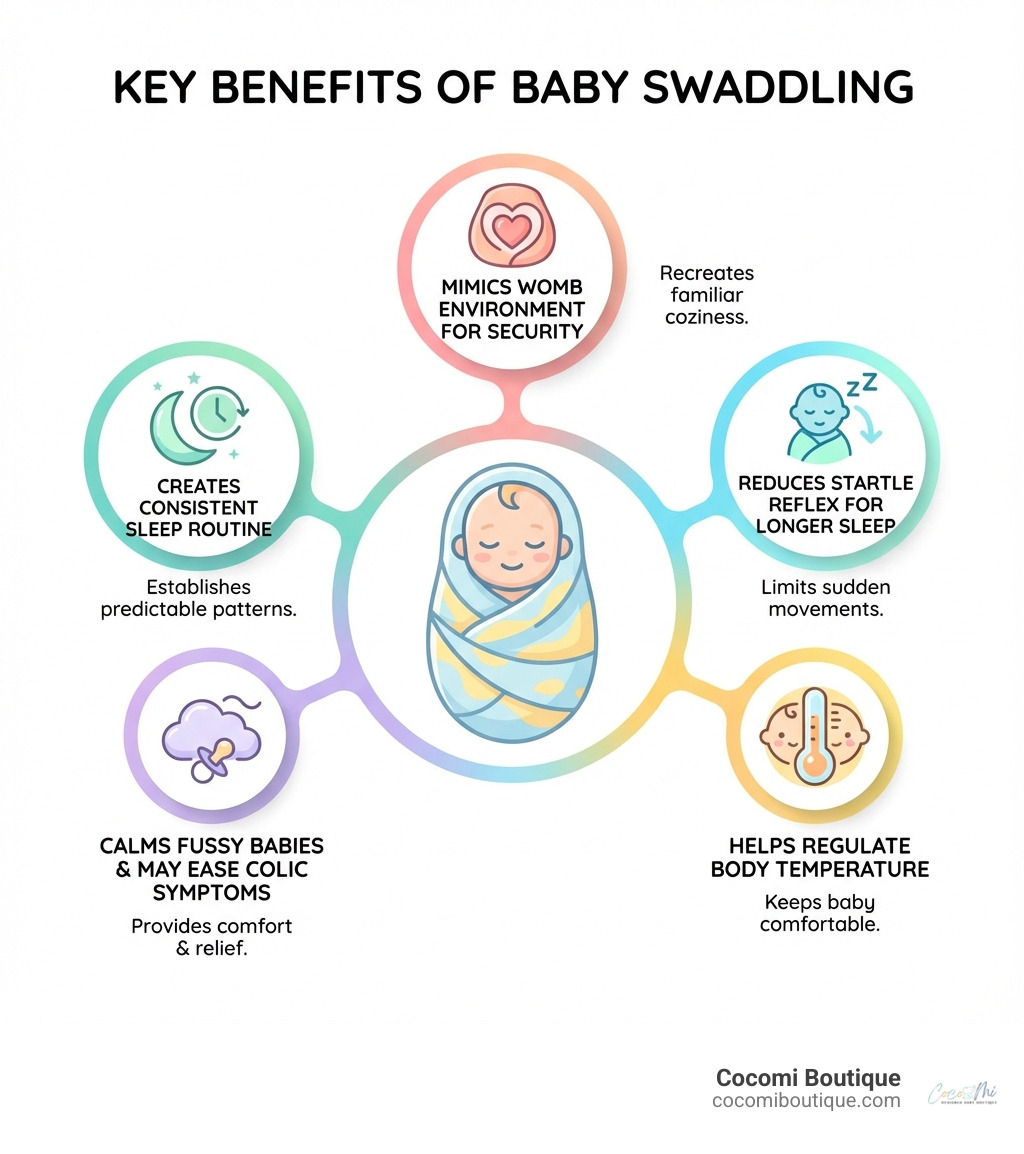
The newborn phase is often referred to as the "fourth trimester," a period where your baby is adjusting to life outside the womb. This transition can be challenging for little ones, and that's where swaddling becomes a truly invaluable tool for parents. Swaddling isn't just about wrapping; it's about recreating a familiar, comforting environment that significantly benefits your newborn's well-being and sleep.
One of the primary benefits of swaddling is its ability to mimic the snug, secure feeling of the womb. For nine months, your baby experienced constant pressure and warmth, and replicating this sensation can provide them with an immense sense of safety and security. This womb-like comfort is often key to a calming effect on newborns, helping them feel less overwhelmed by the vast, new world around them. Studies have even shown that babies who were swaddled during uncomfortable procedures, like heel stick and weighing, were less distressed than those who weren't swaddled, highlighting its comforting power.
Swaddling is particularly effective in addressing common newborn issues that can disrupt sleep and lead to fussiness. The most well-known is the startle reflex, also known as the Moro reflex. This involuntary reflex causes babies to suddenly throw their arms and legs out, often waking themselves up during sleep. By gently holding their arms close to their body, a baby swaddle can effectively limit this reflex, allowing your little one to sleep more soundly and for longer stretches. You can learn more about the Moro reflex explained.
Beyond the startle reflex, swaddling can also help with other newborn challenges, such as colic. While not a cure, the gentle pressure and security provided by a swaddle can often help calm a baby, possibly even when they are experiencing the discomfort of colic. It offers a consistent, soothing input that can help regulate their nervous system.
Furthermore, swaddling plays a role in regulating a newborn's body temperature. Babies are not as efficient as adults at maintaining their body heat, and a baby swaddle can help keep them warm while they sleep, especially in the early weeks. This is crucial until their bodies get better at regulating their own temperature.
Swaddling contributes significantly to a baby's overall sleep routine and development by promoting more restful and longer periods of sleep. This improved sleep isn't just good for the baby; it's a game-changer for parents, too! Establishing a consistent sleep routine with swaddling can help babies develop strong sleep cues, laying the foundation for healthy sleep habits as they grow.
For more insights into creating a comfortable sleep environment, explore our guide on Beyond the Bassinet: Unlocking Your Newborn's Sleep Comfort Secrets.
The Ultimate Guide to the Perfect Baby Swaddle
Choosing the right baby swaddle can feel like a quest, but with so many options available, finding the perfect one for your little one's sweet dreams is entirely possible. The ideal swaddle combines comfort, safety, and practicality, making both baby and parent happy.
We believe that finding the best swaddle is crucial for restful sleep. Find more in our guide: Finding the Best Swaddle for Sweet Dreams.
Choosing the best material for your baby swaddle
The material of your baby swaddle is paramount, directly impacting your baby's comfort, breathability, and temperature regulation. Since newborns cannot regulate their body temperatures as effectively as adults, selecting the right fabric is essential to prevent overheating or getting too cold.
When considering materials, we always prioritize:
- Breathability: This allows air to circulate, preventing your baby from becoming too hot.
- Temperature Regulation: The fabric should help maintain a comfortable body temperature, adapting to the season and room environment.
- Softness: Gentle against delicate newborn skin, a soft fabric ensures maximum comfort.
Some of the most popular and recommended materials include:
- Cotton Muslin: This is a top choice for many parents, and for good reason. Cotton muslin is incredibly lightweight, breathable, and becomes softer with each wash. It's excellent for warmer climates or for babies who tend to get warm easily. We offer a comprehensive guide to The Ultimate Guide to Cotton Muslin Baby Blankets: Softness & Safety.
- Bamboo: Known for its silky softness and natural temperature-regulating properties, bamboo fabric is another fantastic option. It's often even softer than cotton and has excellent wicking properties, making it great for sensitive skin. You can dive deeper into the benefits of this material in our article: Bamboo or Cotton: Your Guide to the Best Organic Muslin Swaddles.
- Organic Fabrics: For parents seeking the purest options, certified organic fabrics are ideal. These materials are grown without harmful pesticides or chemicals, ensuring they are free of toxins and gentle on your baby's skin. We are proud to offer GOTS Certified Goodness: Finding the Perfect Organic Muslin Blanket.
When selecting a material, always consider the season and the temperature of your baby's sleeping environment. A lighter material like muslin is perfect for summer, while a slightly thicker, yet still breathable, cotton might be better for cooler months.
Types of baby swaddle designs
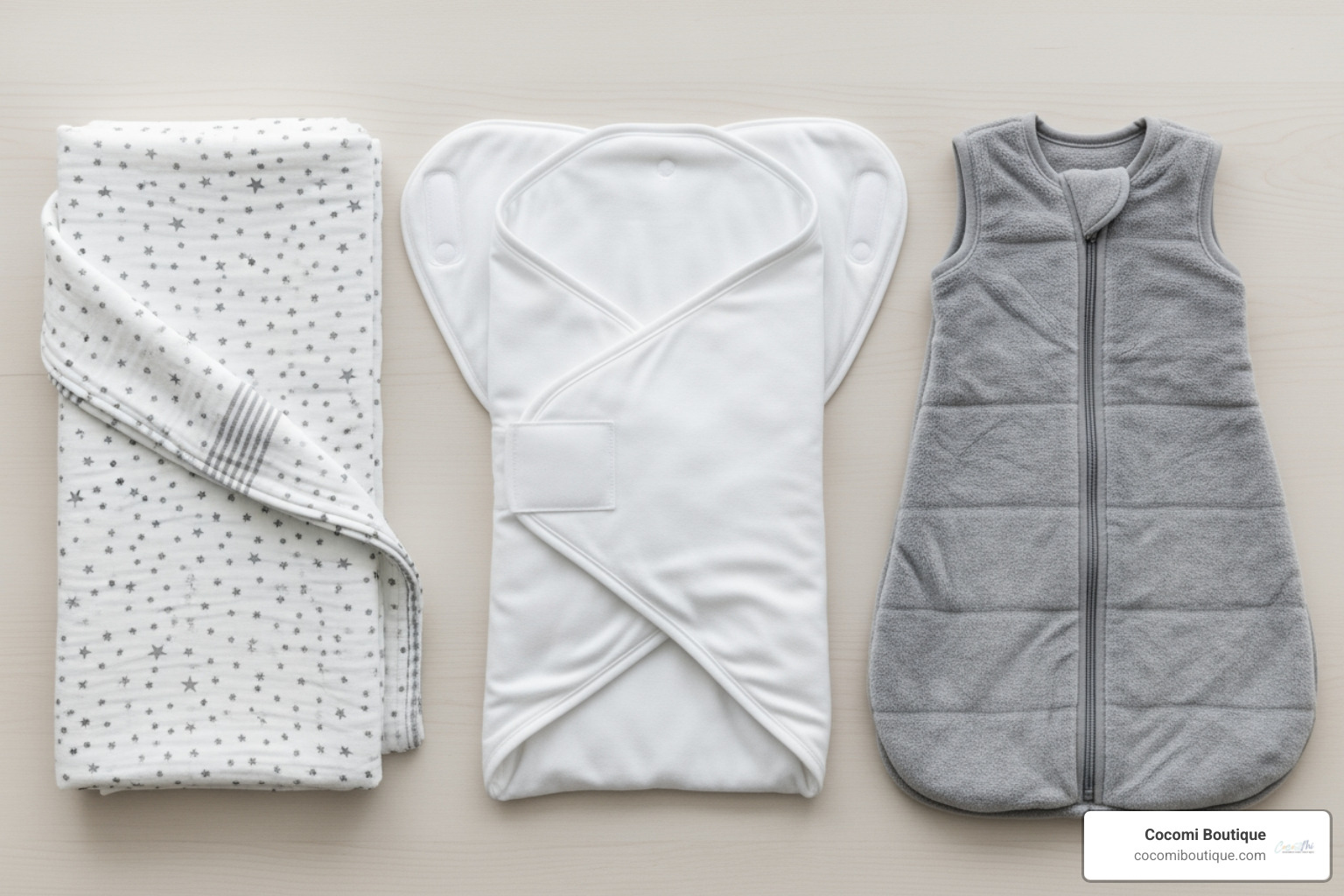
Beyond the material, the design of your baby swaddle can greatly influence its ease of use and effectiveness. Different types cater to various preferences and stages of development.
-
Traditional Swaddle Blankets (Muslin Squares/Receiving Blankets):
- Description: These are typically large, square or rectangular pieces of fabric, often made from cotton or muslin. They require a specific folding technique to create a snug wrap.
- Pros: Highly versatile (can be used as nursing covers, burp cloths, stroller covers, play mats, photo backdrops once baby outgrows swaddling), cost-effective if you already own them, allow for custom tightness.
- Cons: Can be tricky to master the technique, may solve if not wrapped securely, less structured for sleep-deprived parents.
-
Swaddle Wraps (Velcro Fasteners):
- Description: These swaddles are shaped to fit a baby's body and feature adjustable Velcro fasteners or snaps to secure the wrap.
- Pros: Easier and quicker to use than traditional blankets, provide a consistent snug fit, less likely to solve, often have "hip-healthy" designs.
- Cons: Velcro can be noisy during night changes, some babies might dislike the restricted feel, can lose effectiveness if Velcro wears out.
-
Zippered Swaddles:
- Description: These are pouch-like swaddles that zip up, often with two-way zippers for easy diaper changes. Some feature an "arms up" design to allow self-soothing.
- Pros: Very easy and quick to use, secure fit that won't solve, quiet for night changes, two-way zippers are convenient.
- Cons: Less adjustable for tightness, some babies may not like the arms-in position if the design doesn't allow for arms-up.
-
Sleep Sacks / Wearable Blankets:
- Description: While not strictly swaddles (as they don't restrict arm movement), these are excellent alternatives or transitional items. They are essentially blankets worn like a vest, allowing free movement of arms and legs.
- Pros: Safe alternative to loose blankets in the crib, prevent overheating, allow for natural movement, easy to use, ideal for transitioning out of swaddling.
- Cons: Do not provide the same "womb-like" security as a true swaddle, not suitable for newborns who still have a strong startle reflex.
Each type has its unique advantages. We encourage parents to explore what works best for their baby and their lifestyle.
How to Swaddle a Baby Safely: A Step-by-Step Guide
Mastering the art of swaddling can feel daunting at first, especially when you're half-asleep at 3 a.m.! But with a little practice, it becomes second nature. The key is to ensure your baby is snug, comfortable, and most importantly, safe. We've simplified the classic diamond swaddle technique into easy-to-follow steps.
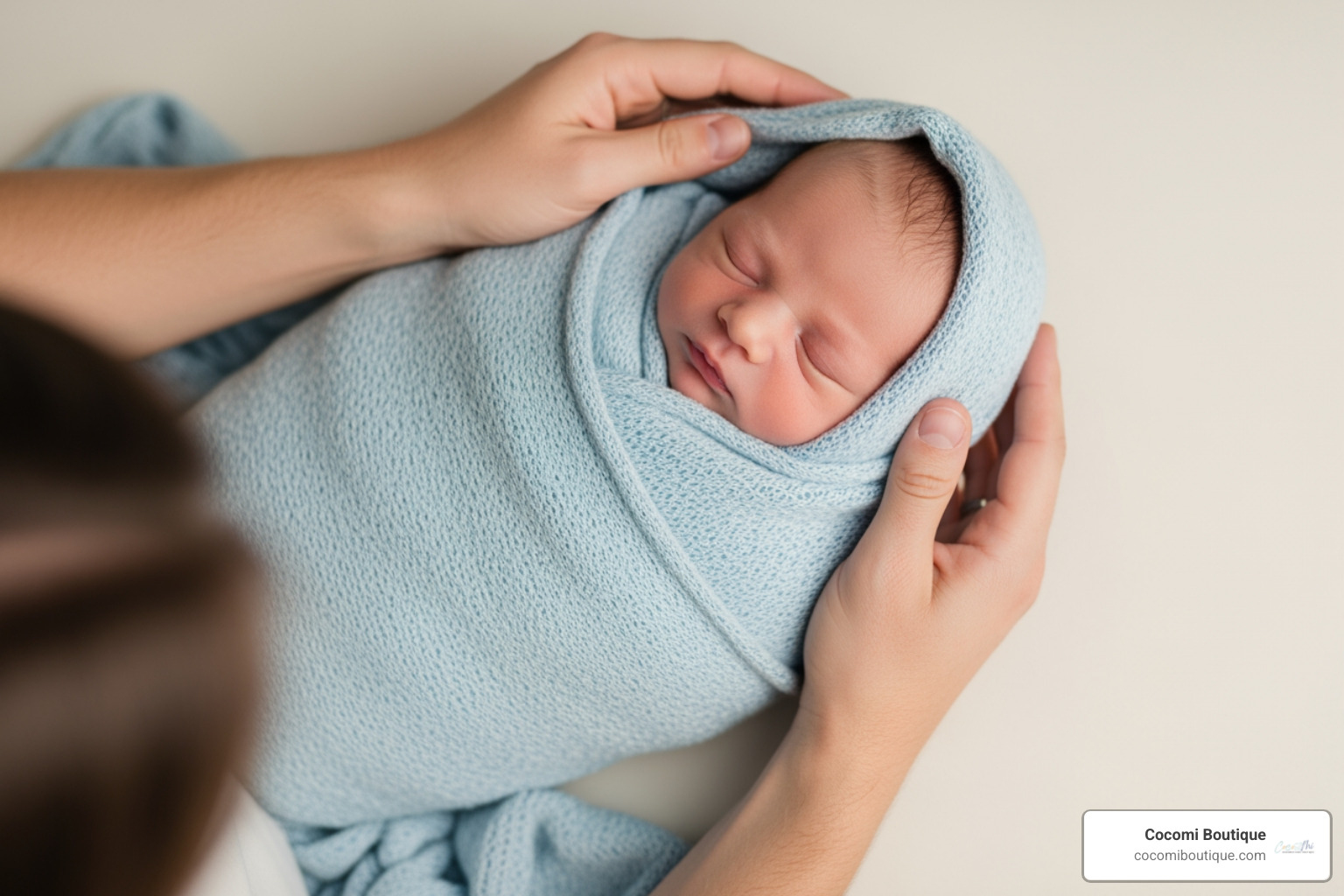
Here's how we recommend swaddling your baby using a traditional square or rectangular blanket:
- Step 1: Lay the Blanket Flat. Spread your chosen baby swaddle blanket flat on a safe, firm surface like a changing table or the floor. Position it in a diamond shape, then fold the top corner down about six inches. This creates a straight edge for your baby's head.
- Step 2: Place Your Baby. Lay your baby face-up on the blanket, ensuring their head is above the folded corner and their shoulders are aligned with the fold line. Their body should be centered on the blanket.
- Step 3: First Tuck (Left Side). Gently straighten your baby's left arm and place it alongside their body. Take the left corner of the blanket, bring it across your baby's chest, and tuck it snugly under their right side. Their left arm should be secure under the fabric.
- Step 4: Fold the Bottom Up. Take the bottom corner of the blanket and bring it up over your baby's feet and legs. Ensure their legs can still bend up and out at the hips; do not straighten them forcefully. The fabric should reach their shoulders or chest.
- Step 5: Final Wrap (Right Side). Gently straighten your baby's right arm and place it alongside their body. Take the right corner of the blanket, bring it across your baby's chest, and tuck it securely under their left side. Their right arm should be secure.
- Snugness Check: The swaddle should be snug around your baby's torso but not overly tight. You should be able to easily fit two to three of your fingers in between your baby’s chest and the swaddle. This ensures they can breathe comfortably. Also, verify that the blanket is loose around their hips and legs, allowing for natural movement and preventing hip issues.
Practice makes perfect! Don't get discouraged if it takes a few tries to get it just right. The goal is a secure "baby burrito" that makes your little one feel safe and content.
For a visual guide to perfect swaddling, check out our Wrapping Wonders: An Illustrated Guide to Perfect Baby Swaddling.
Safe Swaddling Practices and Knowing When to Stop
While swaddling is a wonderful tool for comforting newborns and promoting sleep, it's absolutely crucial to follow safe practices to minimize any potential risks. The American Academy of Pediatrics (AAP) and other health organizations provide clear recommendations that we wholeheartedly endorse.
First and foremost, always place your swaddled baby on their back to sleep. This is the golden rule of safe sleep and significantly reduces the risk of Sudden Infant Death Syndrome (SIDS). Never place a swaddled baby on their side or stomach, as this increases the risk for sleep-related death. Ensure the crib is clear of any extra bedding, stuffed animals, or pillows that could pose a suffocation hazard. A swaddled baby should be in a safe sleep environment.
Overheating is another critical concern. While swaddling helps keep babies warm, it's important to ensure your baby isn't too warm. If you notice signs like sweating, damp hair, flushed cheeks, heat rash, or rapid breathing, your baby is most likely overdressed or too warm. Adjust their clothing or switch to a lighter baby swaddle material. Using lightweight cotton or muslin wraps is recommended, and rugs or heavy blankets are not safe as they may cause overheating.
Hip-healthy swaddling is essential to prevent hip dysplasia or dislocation. When wrapping your baby, ensure there's enough room at the bottom for their legs to bend up and out from their body. The swaddle should not tightly straighten or press their legs together. This allows for the natural development of their hip joints. The International Hip Dysplasia Institute provides excellent Hip-healthy swaddling guidelines to ensure proper hip development.
One of the most important questions parents ask is, "When should we stop swaddling?" The AAP recommends that you stop swaddling when your baby is able to roll over. This developmental milestone can happen as early as 2 months old, but often occurs around 3 or 4 months. Once your baby can roll from their back to their stomach, a swaddle becomes a safety hazard because they may get stuck face down without being able to use their arms to push up.
Signs to look for that indicate it's time to stop swaddling include:
- Rolling Over: Any attempt to roll, even a partial roll, means it's time to transition.
- Breaking Free: If your baby consistently manages to wiggle their arms out of the swaddle, it's a sign they're ready for more freedom.
- Age Guidelines: While rolling is the primary indicator, many experts suggest transitioning around 2 to 4 months of age, even if rolling hasn't occurred, to prepare them for this next stage.
We've compiled more in-depth information on this topic in our comprehensive guide: The Ultimate Guide to Safe Swaddling for Newborns. For further reading on safety, Healthy Children by the AAP offers valuable insights in their article: Swaddling: Is it Safe? from Healthy Children.
Transitioning Out of the Swaddle
Ending the swaddle journey can sometimes be a challenge, especially if your baby has grown accustomed to the snug comfort. But it's a necessary step for their safety and development. We recommend a gradual transition to help your little one adjust smoothly.
Here's how we suggest approaching the transition:
- One Arm Out: Start by swaddling your baby with one arm out for a few nights or naps. This allows them to get used to having some arm freedom while still feeling partially secure.
- Both Arms Out: Once they're comfortable with one arm out, try swaddling with both arms free. At this point, the baby swaddle blanket acts more like a body wrap, providing torso comfort without restricting arm movement.
- Alternatives: The best long-term alternative to swaddling is a sleep sack or wearable blanket. These garments keep your baby warm without the risks associated with loose blankets or restricted arm movement. They come in various TOG ratings (Thermal Overall Grade) to suit different room temperatures, ensuring your baby stays comfortable and safe. This allows them to move freely, roll over safely, and use their hands for self-soothing.
Every baby is different. Some might transition easily, while others might need more time and patience. The goal is to ensure a safe sleep environment while supporting their developmental milestones.
Frequently Asked Questions about Swaddling
We know new parents have a lot of questions about swaddling, and we're here to help! Here are some of the most common inquiries we receive:
What should my baby wear under a swaddle?
Choosing what your baby wears under their baby swaddle depends largely on the room temperature. The key is to prevent overheating. As babies cannot regulate their body temperature as effectively as adults, careful layering is essential.
- Moderate Temperatures: In a comfortably warm room (around 70-72°F or 21-22°C), a lightweight, short-sleeved onesie or just a diaper is usually sufficient under a breathable swaddle made of cotton muslin or bamboo.
- Cooler Temperatures: If the room is cooler, a long-sleeved onesie or a lightweight sleepsuit could be appropriate.
- Checking for Overheating: Always check your baby's temperature by feeling their neck or back, not their hands or feet. If they feel warm or clammy, remove a layer. Signs of overheating include sweating, damp hair, flushed cheeks, heat rash, or rapid breathing.
It's important to consider the TOG rating of your swaddle if it has one. TOG ratings indicate the thermal insulation of a fabric; a higher TOG means more warmth. Match the TOG rating with the room temperature and your baby's clothing layers to ensure optimal comfort and safety.
Is it okay if my baby doesn’t like being swaddled?
Absolutely! While many babies love the snug feeling of a baby swaddle, some simply don't. Every baby is unique, and it's perfectly normal if yours prefers more freedom.
Signs that your baby might not like being swaddled include:
- Persistent Crying: If your baby cries inconsolably immediately after being swaddled.
- Fighting the Wrap: If they constantly struggle and try to break free, even when snugly wrapped.
- Disrupted Sleep: If swaddling seems to make them more agitated rather than calm them for sleep.
If your baby consistently shows these signs, don't force it. There are wonderful alternatives available. You can try:
- Leaving Arms Out: Some babies prefer their arms free but still benefit from the torso containment.
- Sleep Sacks: These are excellent wearable blankets that keep your baby warm without restricting their arm movement. They offer a sense of security without the tight wrap.
- Other Soothing Techniques: Explore other methods like gentle rocking, white noise, or pacifiers to help calm your baby.
We understand the desire for your baby to feel comfortable and secure. Explore our collection of Gentle Touches: Our Favorite Soft Baby Essentials for other comforting items.
How long can a baby stay swaddled at one time?
Swaddling is primarily intended for sleep periods, both naps and nighttime sleep. It helps babies settle down and stay asleep by limiting the startle reflex and providing comfort.
However, swaddling is not recommended for awake time. During periods of wakefulness, your baby needs to have their arms and legs free to move and explore. This is crucial for their physical development, including developing motor skills and engaging in tummy time. When your baby is awake, unswaddle them to allow for stretching, playing, and interaction. This ensures they get the necessary movement and stimulation for healthy growth.
Always remember the key rule: swaddle for sleep, unswaddle for wakefulness and play.
Conclusion
The journey of parenthood is filled with learning, and mastering the baby swaddle is one of those invaluable skills that can bring immense comfort to your newborn and much-needed rest to your family. We've explored how this age-old practice mimics the security of the womb, reduces the disruptive startle reflex, and helps regulate your baby's temperature, all contributing to more peaceful sleep and development.
We've also highlighted the importance of choosing the right materials, such as breathable cotton muslin and soft bamboo, and understanding the different types of swaddles available. Most importantly, we've emphasized the critical safe swaddling practices, including always placing your baby on their back to sleep, ensuring hip health, and recognizing the signs that it's time to transition out of the swaddle, typically when your baby shows signs of rolling over.
At Cocomi Boutique, we are committed to providing high-quality, natural, and safe baby swaddle products and other essentials that support your family's well-being. We believe that thoughtful design and premium, chemical-free materials make a difference in your baby's comfort and your peace of mind. From our home in Illinois to yours, we're here to help you steer these precious early years with confidence and ease.
We invite you to explore our full collection of guides and products designed with your little one's comfort and care in mind. You can find more helpful resources and beautiful products that meet our high standards for softness and safety: Explore our full collection of guides for your little one's comfort and care.