

Bath time can be a really nice way to bond with your baby, but getting them dry and warm afterward can sometimes feel like a bit of a mission. That's where a good hooded baby towel comes in handy. It's not just about drying them off; it's about keeping them snug and cozy right after they get out of the water. This guide is here to help you figure out what makes a hooded baby towel a great choice, looking at everything from what it's made of to how big it should be. We'll cover the important stuff so you can pick the best one for your little one's bath time routine.
Key Takeaways
- Hooded baby towels are great because they keep your baby warm all over, especially their head, right after a bath.
- Look for towels made from soft materials like cotton or bamboo that are also super absorbent.
- The size of the hooded baby towel matters – make sure it's big enough for your baby now and as they grow.
- Check for safety certifications like OEKO-TEX to make sure the towel is free from harmful stuff.
- Caring for your hooded baby towels properly, like washing and drying them right, will help them last longer and stay soft.
Understanding The Importance Of Hooded Baby Towels
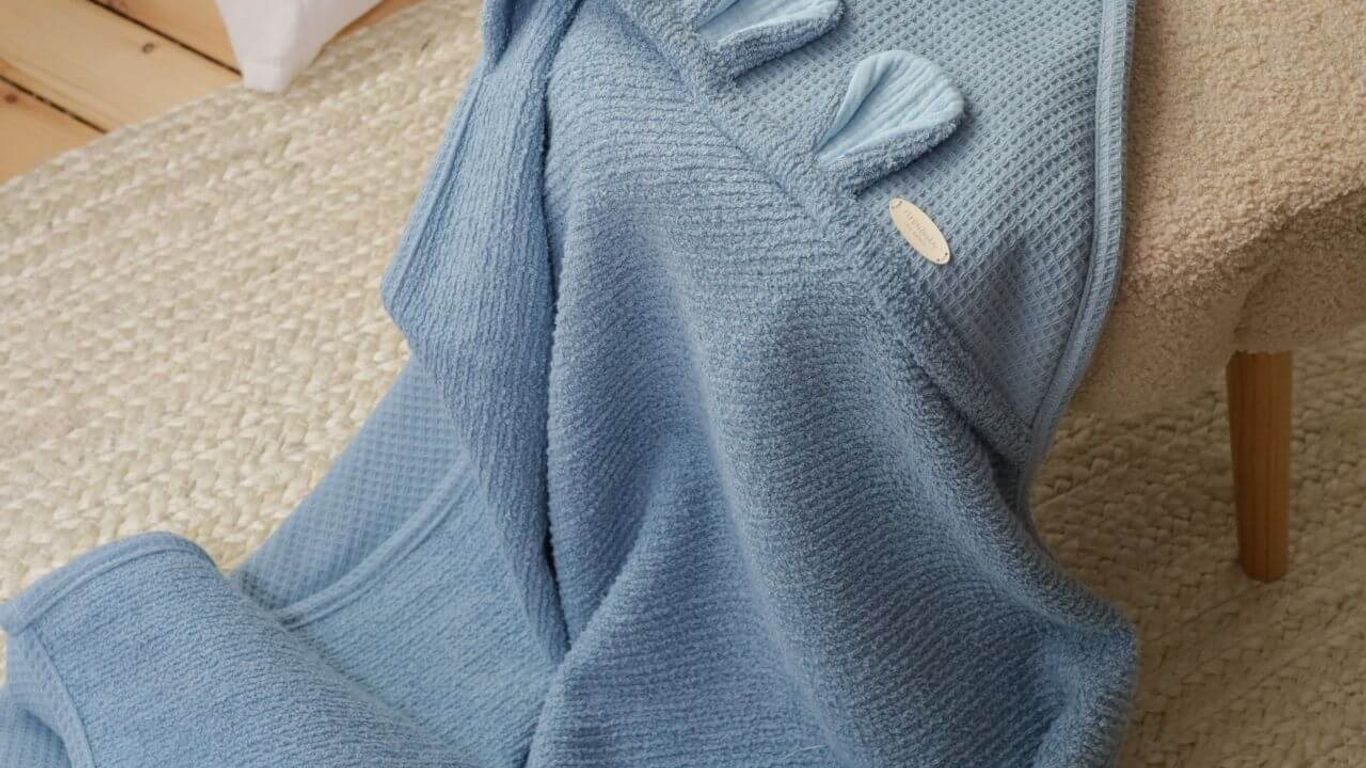
Why Every Parent Needs A Hooded Bath Towel
Bath time with a little one is more than just getting them clean; it's a special moment for bonding and fun. But once the splashing stops, the real challenge begins: keeping your baby warm and comfortable as you transition them out of the water. This is where a good hooded baby towel really shines. It’s not just a towel; it’s a cozy wrap that helps maintain their body heat, especially since babies can lose a lot of warmth from their heads. Think of it as a warm hug after their bath, making the whole experience more pleasant for everyone.
Hooded Towels Versus Regular Towels
So, why bother with a hooded towel when you’ve got regular ones lying around? Well, a standard towel can be a bit of a juggling act with a wet, wiggly baby. You try to wrap them up, but their head is often left exposed, leading to that dreaded post-bath chill. A hooded towel, on the other hand, is an all-in-one solution. The attached hood covers their head right away, preventing heat loss and making the whole drying process much quicker and more secure. It’s like having an extra pair of hands to keep them snug.
The Comfort And Security Factor
Beyond just drying, hooded towels offer a unique sense of comfort and security for your baby. That snug feeling, with the hood gently covering their head, can remind them of the womb. This can be incredibly calming, helping to soothe them and make the transition from a warm bath to the cooler air much smoother. It’s this combination of warmth, security, and softness that makes a hooded towel a bath time essential, turning a routine task into a cherished cuddle session. For parents looking for the softest options, materials like bamboo and cotton blends are often a top choice.
Key Features For The Best Hooded Baby Towels
When you're picking out a hooded baby towel, it's not just about how cute it looks on Instagram or Facebook. There are some really important things to think about that make a big difference in how well it works and how happy your baby will be after their bath. Let's break down what really matters.
The Importance Of Absorbency And GSM
Think about it: the main job of a towel is to dry your baby, right? So, how well it soaks up water is super important. A towel that doesn't absorb much means more rubbing, more time, and a higher chance of your little one getting cold. This is where GSM, or Grams per Square Meter, comes in. Basically, a higher GSM means the towel is denser and thicker, which usually means it's more absorbent. For baby towels, aiming for a GSM of 400 or higher is a good start. If you can find one with a GSM of 500 or more, you're likely getting something really plush and super effective at drying. This also helps keep your baby warm because it wicks away moisture quickly, preventing that post-bath chill.
| Feature | Ideal GSM Range | Notes |
|---|---|---|
| Absorbency | 400-500+ | Higher GSM means thicker and more absorbent |
| Warmth Retention | 400-500+ | Quick drying helps keep baby warm |
Material Matters: Choosing The Softest And Safest Fabric
Baby skin is incredibly delicate, way more sensitive than ours. That's why the fabric of the towel is a huge deal. You want something that feels amazing against their skin, not scratchy or rough. Natural materials like cotton and bamboo are usually the best bet. Cotton is a classic for a reason – it's breathable and absorbent. Bamboo is another fantastic option; it's known for being super soft, almost silky, and it has natural antibacterial properties, which is a nice bonus. Some towels even blend these materials, like a bamboo-cotton terry, to get the best of both worlds. Always check that the fabric is gentle and won't cause irritation.
- Organic Cotton: Soft, breathable, and a great all-around choice.
- Bamboo Viscose: Incredibly soft, often with a slight sheen, and naturally hypoallergenic.
- Muslin: Lightweight and breathable, great for warmer weather or as a lighter option.
Hood Design: Corner Versus Center
The hood is the signature feature, but how it's attached can make a difference. You'll mostly see two types: corner hoods and center hoods. Corner hoods are common, often found on square towels where one corner is shaped into a hood. They can sometimes slip off easily or not cover the head as well. Center hoods, usually placed in the middle of one side of the towel, tend to be more practical. They often provide better coverage, stay put more reliably, and help keep your baby's head warm more effectively. It's a small detail, but it can make bath time a little smoother.
A well-designed hood should fit snugly but comfortably, covering your baby's head without falling over their face. This thoughtful touch makes a big difference in keeping them warm and happy after their bath.
Selecting The Right Size And Material
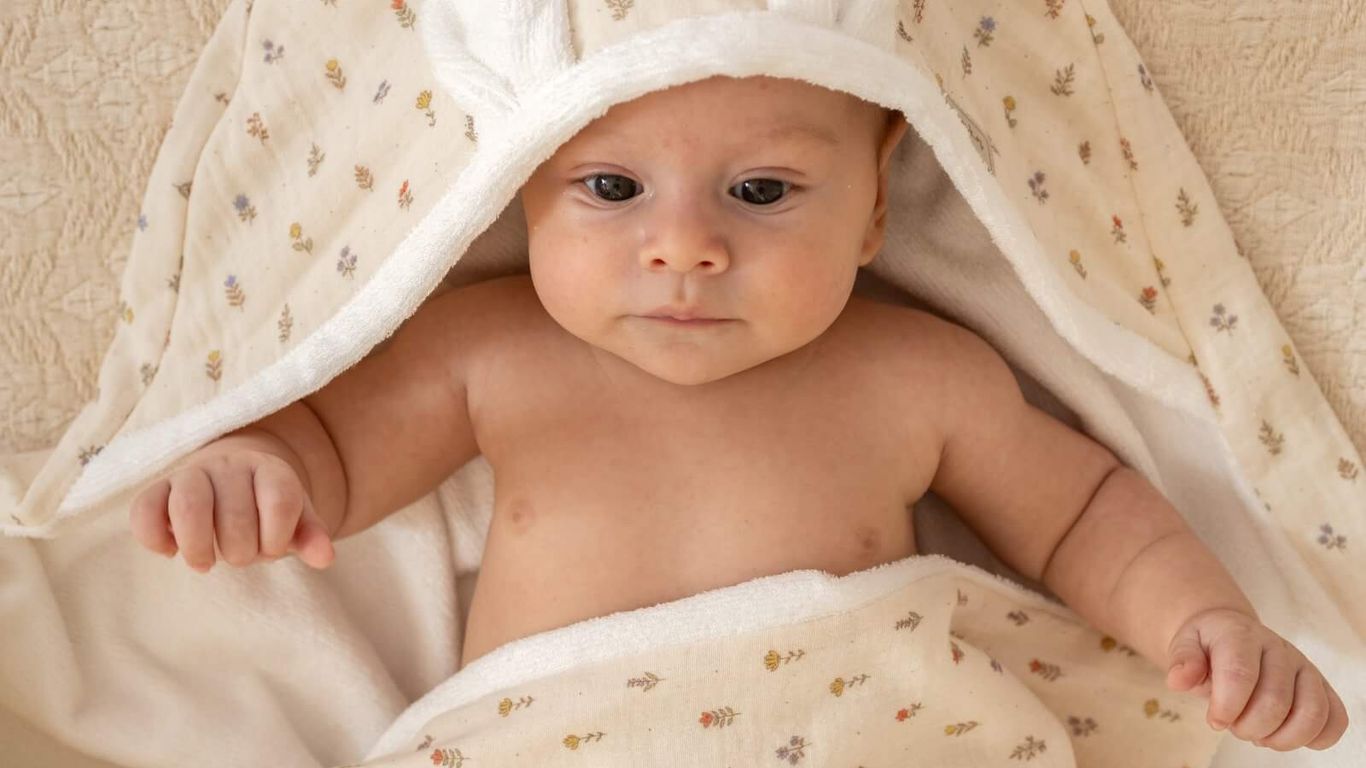
When you're picking out a hooded baby towel, the size and what it's made of are super important. It's not just about how cute it looks, though that's nice too! You want something that actually works well for your baby and lasts for a while. Think about how quickly babies grow – what fits a tiny newborn might be too small in just a few months. And the material? That's what makes it soft, absorbent, and safe for their delicate skin.
Sizing For Newborns Versus Toddlers
Babies grow fast, right? So, a towel that's perfect for a newborn might feel a bit snug on a wiggly toddler. It's a good idea to look at the dimensions. For newborns, something around 24x24 inches is usually a good starting point. But if you want a towel that will last longer, maybe even through the toddler years, you'll want to go bigger. Think about 30x30 inches or even 35x35 inches. It's better to have a little extra towel to wrap them up in than to have one that's too small after just a few months. Some parents even find that a larger towel is easier to manage when wrapping a squirming little one. You can find some great options that are designed to grow with your child, offering plenty of coverage as they get bigger.
Exploring Fabric Options: Cotton, Bamboo, And Muslin
So, what should these towels be made of? There are a few popular choices, and they all have their own pros and cons.
- 100% Cotton Terry: This is like the classic towel material. It's thick, plush, and really good at soaking up water. It's a solid choice for everyday baths. Just be aware it can be a bit heavier and might take longer to dry.
- Organic Cotton: Similar to regular cotton, but grown without a lot of chemicals. This is a great pick if your baby has sensitive skin or if you're trying to be more eco-friendly. It's super soft and gentle.
- Bamboo Blends: These are often incredibly soft, almost silky. Bamboo is also known for being breathable and sometimes even naturally antibacterial. They feel really luxurious against the skin.
- Muslin: This fabric is super lightweight and breathable. It dries really fast, which is handy. However, it's not as absorbent as terry cloth, so it's more for blotting than heavy-duty drying. It's great for travel or warmer weather.
When choosing a fabric, think about how you'll use the towel most often. For everyday use and maximum absorbency, cotton terry is a winner. If softness and gentleness are top priorities, especially for sensitive skin, bamboo or organic cotton are excellent. Muslin is best for its lightness and quick-drying properties.
Prioritizing Safety Certifications
Beyond just the material itself, it's smart to look for safety certifications. Things like OEKO-TEX Standard 100 are a good sign. This means the fabric has been tested and is free from a bunch of harmful chemicals that could irritate your baby's skin. You might also see GOTS certification for organic cotton, which is another layer of assurance. It's like a little stamp of approval that says the towel is safe for your little one to snuggle up in after their bath. You can often find these details listed on the product description online, or on the tag if you're shopping in person. It’s worth taking a moment to check, especially if your baby has any skin sensitivities. You can even find some great resources online, like on parenting blogs or even quick tips on TikTok, that explain what these certifications mean.
Caring For Your Hooded Baby Towels
Keeping your baby's hooded towels clean and soft is pretty straightforward, but a little attention goes a long way. You want them to stay absorbent and gentle on that delicate skin, right? It’s not complicated, just a few simple steps.
Proper Washing and Drying Techniques
First off, how often should you actually wash these things? Because they’re in contact with your baby’s skin and can get damp, it’s a good idea to wash them regularly. Aim for after every 2-3 uses, or sooner if you notice any spills or messes. Using a gentle, baby-safe detergent is key here.
When it comes to washing, a regular machine cycle is usually fine. Just make sure to use a mild detergent and avoid fabric softeners, as they can reduce absorbency over time. For drying, tumble drying on a low heat setting is generally best. This helps keep them fluffy. If you have the time and space, air drying is also a great option and can help preserve the fabric’s integrity for longer.
Maintaining Softness Through Regular Use
It’s a common worry: will the towels get rough after a few washes? Thankfully, with the right care, they usually stay soft. Using a good quality towel made from materials like cotton or bamboo already sets you up for success. As mentioned, skipping fabric softeners is a big help. Also, try not to overload your washing machine; giving the towels room to move around helps them rinse and dry better, which contributes to their softness.
Ensuring Longevity With Gentle Care
To make sure your favorite hooded towels last through countless bath times, a little gentleness is all that's needed. Avoid harsh chemicals or bleach, as these can damage the fibers and fade the colors. If you notice any loose threads, snip them carefully rather than pulling. Think of it like caring for any other favorite piece of clothing – a bit of mindful attention means it’ll stay in great shape for years to come. For more on choosing the best materials, check out Material Matters: Choosing The Softest And Safest Fabric.
Here’s a quick rundown:
- Wash Frequency: Every 2-3 uses, or when visibly soiled.
- Detergent: Use a mild, baby-safe detergent.
- Fabric Softeners: Avoid them to maintain absorbency.
- Drying: Tumble dry on low or air dry.
- Avoid: Bleach and harsh chemicals.
Taking a few moments to properly care for your baby's towels means they'll remain soft, absorbent, and safe for your little one's sensitive skin, bath after bath. It’s a small effort for a lot of comfort.
Choosing Hooded Baby Towels As A Thoughtful Gift
Hooded baby towels are such a sweet and practical gift, perfect for almost any occasion. Whether it's a baby shower, a birthday, or just because, a good hooded towel is something new parents will actually use. It’s way better than another stuffed animal, right? Plus, they’re super useful for keeping your little one warm and snug after a bath, swim, or even just a messy playtime.
The Perfect Baby Shower Present
When you're heading to a baby shower, you want to give something that's both cute and useful. Hooded baby towels totally fit the bill. They’re designed to keep babies warm from head to toe, thanks to that built-in hood. This is especially great because babies lose heat quickly from their heads. You can find them in all sorts of fun designs, like little animals, which makes bath time a bit more playful. Some even come with matching washcloths, making it a nice little set.
- Warmth: The hood keeps their head cozy, preventing heat loss.
- Security: It wraps them up like a little burrito, making them feel safe.
- Fun Factor: Animal hoods can turn bath time into a game.
Creating Luxury Baby Bundles
Want to go the extra mile? Put together a luxury baby bundle. Start with a really nice hooded towel – maybe one made from organic cotton or bamboo, which are super soft and absorbent. Then, add a few other goodies. Think a soft baby blanket, some gentle washcloths, or even a cute baby wrap. You can even get some towels personalized with the baby's name. It shows you put extra thought into it, and it’s a gift that feels really special and high-end. It’s like a spa day for the baby, but at home.
A well-chosen hooded towel isn't just about drying off; it's about creating a comforting transition from water play to cozy cuddles. The right material and design make all the difference for both baby and parent.
Gifting For New Parents
New parents are often overwhelmed and appreciate gifts that simplify their lives. A high-quality hooded baby towel is a lifesaver. It’s one less thing they have to worry about when it comes to keeping their baby comfortable and warm. You can find some really great options online, and even watch YouTube reviews to see which ones are the most absorbent and soft. Giving a practical, yet luxurious item like a hooded towel shows you care and understand the daily needs of caring for a newborn. It’s a gift that gets used constantly and is always appreciated. For example, a towel made from 100% natural cotton is a great choice for its softness and quick-drying properties.
Wrapping Up Your Cozy Bath Time Routine
So, there you have it! Choosing the right hooded baby towel really does make bath time a bit more special. It's all about finding that perfect mix of soft material, good absorbency, and a size that fits your little one just right. Whether you go for the super-plush bamboo or a classic cotton, the goal is to keep your baby warm, dry, and happy after all those splashes. Think of it as the final cozy hug before bedtime. Happy towel hunting!
Frequently Asked Questions
What makes a hooded baby towel better than a regular one?
Hooded baby towels are like a warm hug after bath time! The hood keeps your baby's head warm, which is super important because they lose heat fast from there. Plus, the whole towel wraps around them like a cozy blanket, from head to toe. Regular towels can be tricky to keep on a wiggly baby, and their heads can get cold easily.
What's the best material for a baby towel?
Softness and safety are key! Look for natural materials like 100% cotton or bamboo. Cotton is really good at soaking up water, and bamboo feels incredibly soft and gentle, which is great for sensitive baby skin. Both are usually safe and don't cause irritation.
How big should a hooded baby towel be?
It depends on your baby's size! For newborns, a towel around 30x30 inches is usually good. As your baby grows into a toddler, you'll want something bigger, like 35x35 inches or more. It's always a good idea to pick a size that will last them a while, so maybe grab one that's a little bigger than they need right now.
What does 'GSM' mean for baby towels?
GSM stands for Grams per Square Meter. Think of it as how thick and fluffy the towel is. A higher GSM (like 400-500 or more) means the towel is denser and can soak up more water, making it super absorbent and cozy. A lower GSM towel might dry faster but won't feel as plush.
Are there any safety things I should check for?
Definitely! Make sure the towel is made from safe materials, like those with OEKO-TEX certification, which means they're tested for harmful stuff. Also, check that any decorations, like little ears on the hood, are sewn on really well so they don't come off. You want something soft, gentle, and free from yucky chemicals.
How should I wash my baby's hooded towel?
To keep the towel soft and lasting, it's best to wash it gently in cool or warm water, not super hot. It's usually better to skip the dryer or use a low heat setting. This helps the fabric stay fluffy and prevents it from getting rough over time. Always follow the care instructions on the tag!