

Why Toddler Muslin Blankets Are a Parent's Top Choice

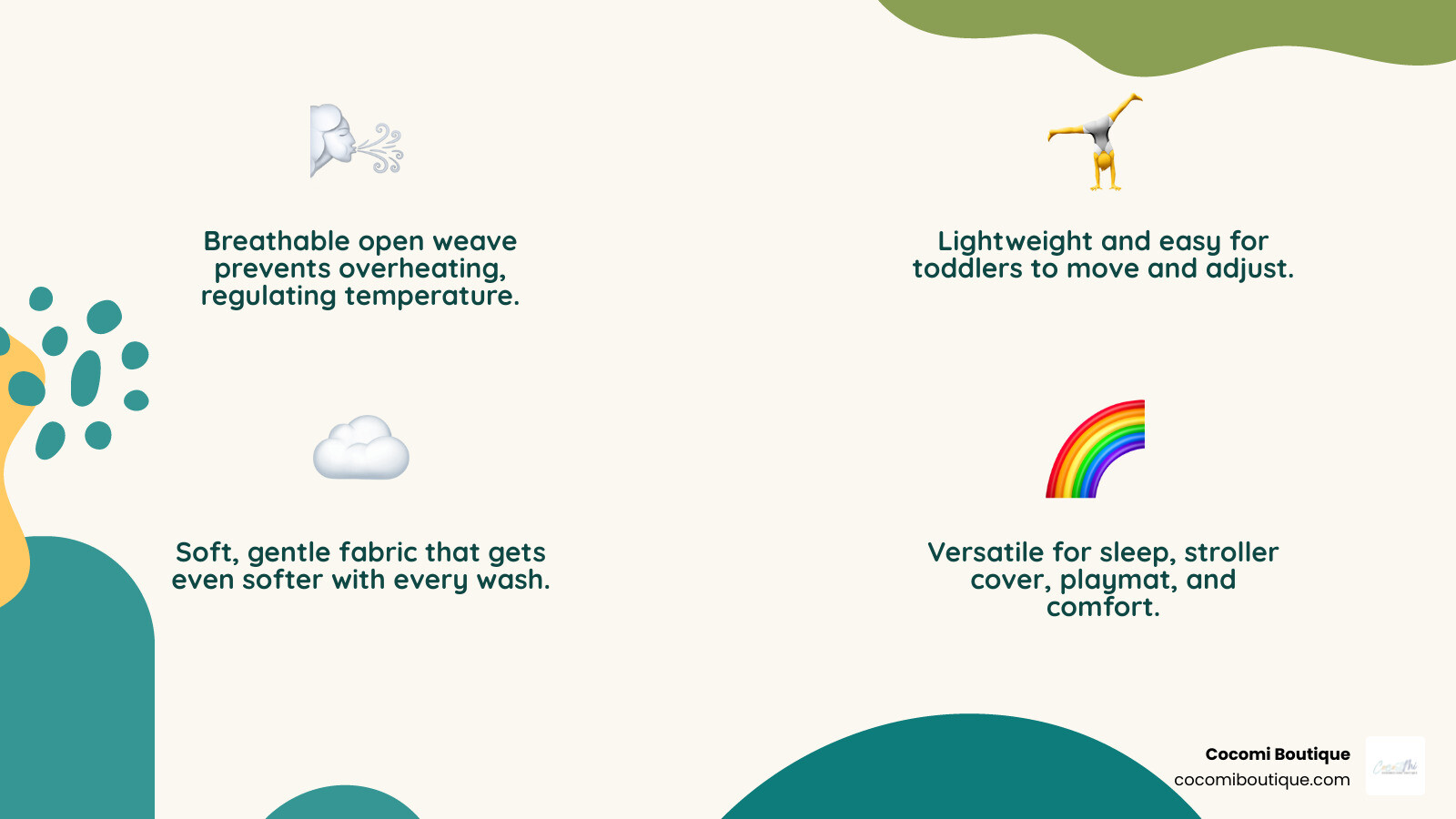
A toddler muslin blanket offers breathable comfort for little ones transitioning from sleep sacks to blankets. Here's what makes them ideal:
- Breathable fabric - The open weave prevents overheating
- Lightweight comfort - Easy for toddlers to move and adjust
- Soft & gentle - Gets softer with each wash
- Versatile use - Perfect for sleep, stroller covers, picnics, and tummy time
- Safe introduction - Best after 12-18 months when developmental milestones are met
If you've ever watched your toddler struggle with a heavy blanket or worried about overheating during sleep, you're not alone. Many parents face the challenge of finding bedding that's both safe and comfortable for their growing child.
Muslin blankets stand out because of their unique open weave structure. This design allows air to flow freely, helping regulate your toddler's temperature throughout the night. Unlike traditional blankets that can trap heat, muslin's breathability reduces the risk of overheating while still providing cozy comfort.
The key is timing. While muslin swaddles are wonderful for newborns, introducing a loose blanket to your toddler requires careful consideration. The American Academy of Pediatrics recommends waiting until after 12 months, when your child has developed strong head and neck control and can roll over independently. Many parents find that waiting until 18 months or even 2 years provides additional peace of mind.
Beyond sleep safety, muslin blankets serve multiple purposes in your daily routine. The same blanket that keeps your toddler warm at night can become a stroller cover during errands, a clean surface for picnics, or a comforting security object during transitions. This versatility makes them a practical investment for busy families.
Quality matters when choosing a toddler muslin blanket. Look for certifications like GOTS (Global Organic Textile Standard) and OEKO-TEX STANDARD 100, which guarantee the fabric is free from harmful chemicals and pesticides. These certifications ensure what touches your child's skin is as pure as possible.
I'm Monika Jarog, and I've dedicated years to sourcing and designing handcrafted baby essentials from 100% natural, chemical-free materials that meet the highest European safety standards. Through my work at Cocomi Boutique, I've helped countless parents find the perfect toddler muslin blanket that combines safety, comfort, and lasting quality.
Simple Toddler muslin blanket word guide:
Safe Sleep First: Navigating Blanket Use for Toddlers
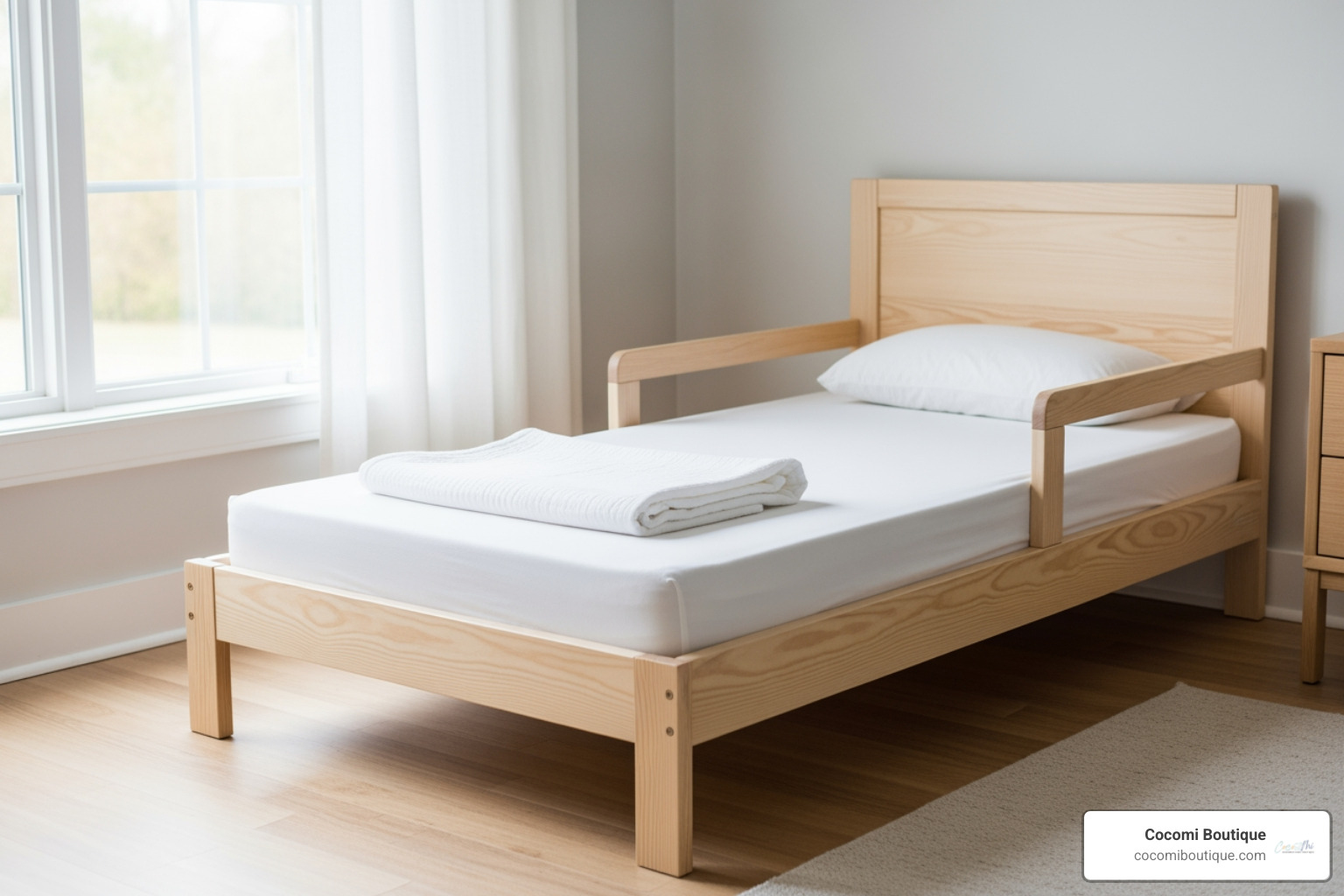
Ensuring a safe sleep environment is paramount for babies and toddlers. When it comes to introducing a toddler muslin blanket into their sleep space, there are crucial guidelines we must follow to prioritize their well-being. The general consensus from leading pediatric organizations, such as the American Academy of Pediatrics (AAP), is clear: for infants, the sleep space should be free of all loose bedding. This means no blankets, pillows, bumpers, or soft toys. So, when does this change for toddlers?
The primary safety guideline is to wait until your child is at least 12 months old before introducing any loose blankets into their crib or bed. Many parents, ourselves included, find additional peace of mind by waiting until 18 months or even 2 years, when the child has demonstrated a higher level of motor control and awareness. This aligns with the advice from various parenting communities, where the sentiment leans towards caution and adherence to official safety recommendations.
When is it safe to introduce a blanket?
The key factor for introducing a blanket, including a toddler muslin blanket, is the child's developmental readiness. According to the American Academy of Pediatrics (AAP), it is generally considered safe to introduce blankets into a toddler's crib or bed after they reach 12 months of age. However, this age is a guideline, and observe your child's individual developmental milestones.
We look for specific signs of readiness:
- Good head and neck control: Your toddler should be able to easily lift and turn their head.
- Ability to roll over independently: They should be able to roll from their back to their stomach and vice-versa without assistance.
- Ability to move obstacles: Crucially, they should be able to push a blanket away from their face if it somehow covers their mouth or nose.
While some babies at 6 months might be "BIG, tall boys" at "35 pounds" as one parent mentioned in a forum, and might seem capable, the official recommendation remains firm: no loose blankets before 12 months. This is because even a strong baby might not have the instinctive reaction to clear their airway when deeply asleep.
What are the potential risks associated with using blankets in a toddler's sleep space?
Even with toddlers, potential risks still exist, though they decrease significantly after 12 months of age. These risks include:
- Suffocation: A blanket could potentially cover a child's face, obstructing their breathing. While older toddlers are more capable of moving a blanket, deep sleep or illness could impair this ability. Sensors, as one insightful parent noted, "do not notify until after a baby has stopped moving, which could be too late."
- Strangulation: There's a slight risk of a blanket getting tangled around a child's neck.
- Overheating: Even breathable blankets like muslin, if too many layers are used or the room temperature is too high, can lead to overheating, which is a known risk factor for SIDS (Sudden Infant Death Syndrome).
These concerns are why we emphasize vigilance and adherence to age-appropriate guidelines. We understand the desire for a baby to have a comforting blanket, but safety must always come first.
How can parents ensure the safe use of muslin blankets for their toddlers?
Once your toddler has met the developmental milestones and is over 12-18 months of age, you can introduce a toddler muslin blanket safely by following these steps:
- Choose the Right Blanket: Opt for a lightweight and breathable toddler muslin blanket. The open weave of muslin allows for improved airflow, reducing the risk of overheating. We'll dig deeper into selecting the right features shortly.
- Proper Placement: Ensure the blanket is placed no higher than your toddler's chest, tucked in securely at the foot and sides of the mattress. This prevents it from riding up over their face.
- Supervision: Especially during the initial introduction, observe your toddler closely during naps and at night to ensure they are using the blanket safely.
- Room Temperature: Maintain a comfortable room temperature between 68-72°F (20-22°C) to prevent overheating.
- Educate Your Child: As your toddler grows, you can teach them how to safely use their blanket, such as keeping it away from their face. One unique insight from a forum suggested a "game where parents place a blanket on a baby's face during the day can help build confidence in the baby's ability to remove it." While this is for older, supervised children, it highlights building awareness.
For more information on safe sleep practices, you can refer to resources like Safe Sleep for Babies & Toddlers.
Safer Alternatives to Loose Blankets
Before your child is ready for a loose toddler muslin blanket, we strongly recommend safer alternatives that provide warmth without the associated risks:
- Wearable blankets: These are designed to be worn over pajamas and zip up, ensuring they stay in place and cannot cover the baby's face.
- Sleep sacks: Similar to wearable blankets, sleep sacks keep your child warm and cozy without the hazards of loose bedding. They are a fantastic way to keep a consistent temperature for your little one throughout the night, eliminating the risk of a blanket coming loose or covering their face. Many parents rave about their effectiveness.
- Swaddle transition products: These are often used for babies transitioning out of swaddles but still needing a sense of security and warmth.
These alternatives are especially crucial for infants and younger toddlers who have not yet reached the recommended age and developmental milestones for loose blanket use. For newborns, we offer guidance on The Ultimate Guide to Safe Swaddling for Newborns.
The Ultimate Guide to the Toddler Muslin Blanket: Benefits and Features
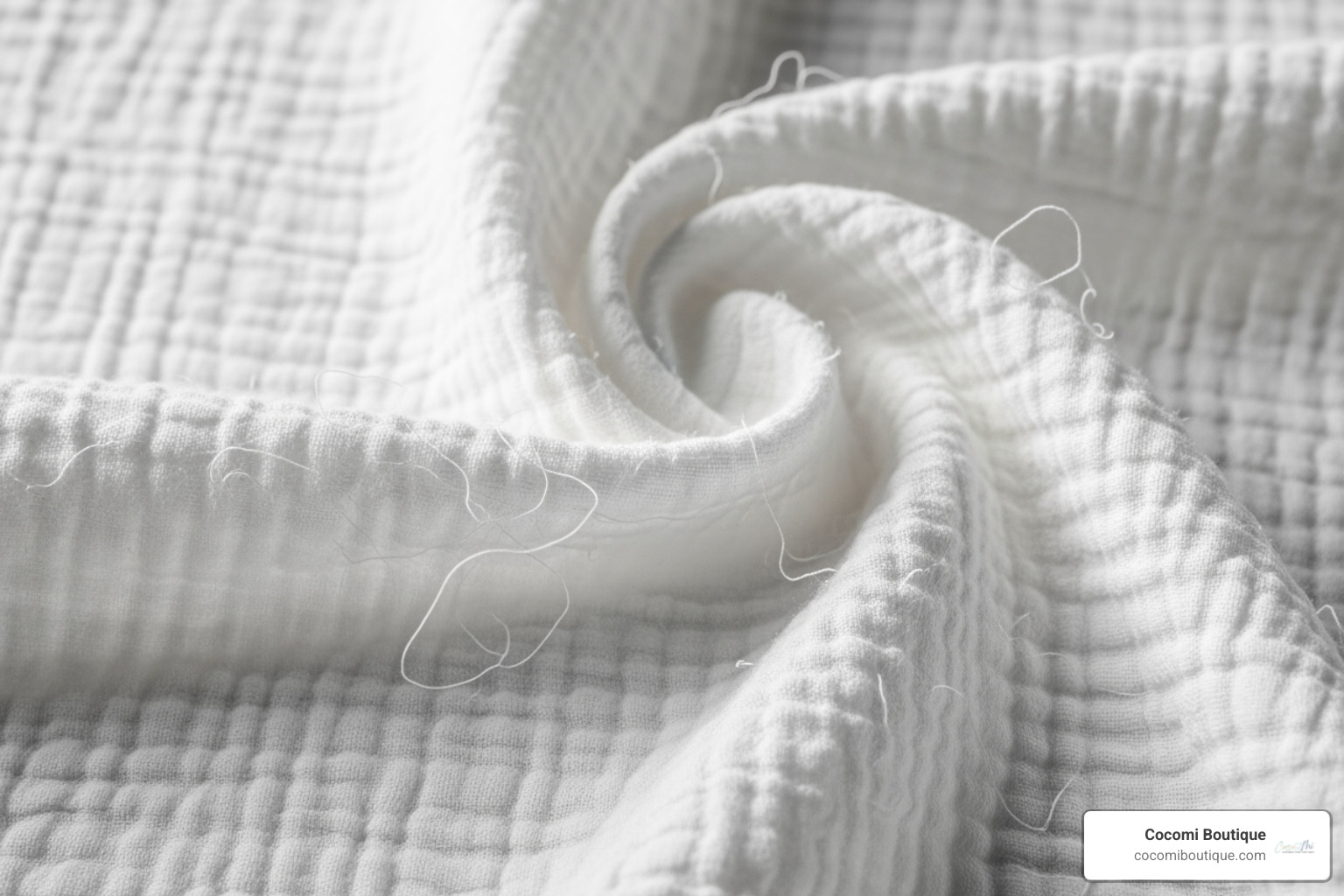
A toddler muslin blanket isn't just another piece of fabric; it's a carefully crafted comfort item with unique properties that make it ideal for your growing child. But how does it truly differ from other blankets, and what makes it such a popular choice?
How do muslin blankets differ from other types of blankets in terms of safety and usability for toddlers?
Muslin blankets stand apart from other blanket types due to their distinctive weave and material properties, offering specific advantages for toddlers:
- Breathability: This is arguably the most significant difference. Muslin's characteristic open, premium weave allows for exceptional airflow. This helps to prevent overheating, a critical safety factor for toddlers during sleep. Unlike fleece or heavier cotton blankets that can trap heat, muslin's design actively promotes air circulation. As mentioned in product descriptions, "The open, premium weave of our muslin allows for improved airflow to reduce the risk of overheating and better regulate baby's temperature while asleep."
- Lightweight Nature: Muslin is inherently lightweight, making it easy for toddlers to manipulate and move if it covers their face. This ease of movement contributes to safety and comfort.
- Softness: Muslin cotton gets softer with every wash, providing a gentle touch against sensitive toddler skin. Other materials might maintain their initial softness but don't typically improve with washing in the same way.
- Durability: Despite its delicate appearance, high-quality muslin, especially organic cotton, is surprisingly durable. Organic fabric, free from harsh chemicals, is "tested and free of those chemicals, providing a softer, longer-lasting fabric."
- Versatility: While other blankets might be warm or soft, muslin's unique characteristics make it suitable for a wider range of uses beyond just sleeping, which we'll explore further.
For a deeper dive into the fabric itself, explore Muslin Explained: From Weave to Wonder - A Fabric Deep Dive.
What are the benefits of using muslin blankets for toddlers?
The benefits of a toddler muslin blanket extend far beyond just sleep:
- Temperature Regulation: Thanks to its breathable weave, muslin helps regulate your toddler's body temperature, keeping them comfortable without overheating. This is crucial for preventing restless sleep and reducing health risks.
- Comfort and Security: A soft, lightweight muslin blanket can become a cherished security object for your toddler, providing emotional comfort during naps, bedtime, or even during stressful transitions.
- Hypoallergenic Properties: Especially when made from organic cotton, muslin is naturally gentle and less likely to irritate sensitive skin or trigger allergies.
-
Versatile Uses: The multi-faceted nature of muslin makes it incredibly practical. It can be used as:
- A lightweight blanket for sleep or naps.
- A stroller cover to provide shade or privacy while allowing air to circulate.
- A clean surface for tummy time or playtime on the floor.
- A nursing cover when out and about.
- A burp cloth or for cleaning up spills, as noted in product descriptions for multi-pack muslins.
- A picnic blanket for impromptu outdoor adventures.
- A handy item to keep in the diaper bag for "all the spills and thrills of parenthood."
Key Features of a Safe Toddler Muslin Blanket
When selecting a toddler muslin blanket, it's not just about aesthetics. We prioritize safety and quality, which are reflected in certain key features:
-
Material Certifications: Always look for certifications that guarantee the purity and safety of the fabric.
- GOTS (Global Organic Textile Standard) Certified Organic Cotton: This is the gold standard for organic fibers. "GOTS certification ensures the highest level of certified organic processes," meaning the cotton is grown without synthetic pesticides or fertilizers, protecting both the environment and your child from harmful chemicals.
- STANDARD 100 by OEKO-TEX®: This certification means the textile has been tested for harmful substances. It "stands for customer confidence and high product safety." Our 100% GOTS certified organic cotton is also tested to be free of harsh chemicals, ensuring a safer product. Find out more about GOTS Certified Goodness: Finding the Perfect Organic Muslin Blanket.
- Weave Quality: The hallmark of muslin is its open, loose weave. This is what allows for superior breathability and airflow. A tightly woven fabric, even if cotton, won't offer the same temperature regulation benefits.
- Durability: While lightweight, a good quality muslin blanket should be durable enough to withstand frequent washing and daily use. Organic fabrics tend to be longer-lasting because they haven't been weakened by harsh chemical treatments.
- Simplicity: Avoid blankets with loose threads, heavy embellishments, buttons, or elaborate trimmings, as these can pose choking or mess hazards for toddlers. Simple, well-finished edges are best.
Choosing the Right Size and Material for a Toddler Muslin Blanket
The right size and material are critical for both comfort and safety.
What is the recommended size for safe toddler blankets?
For toddlers, a generously sized toddler muslin blanket is often preferred for its versatility, but it shouldn't be so large that it becomes unmanageable or poses a tripping hazard.
- Recommended Size: Many high-quality muslin blankets are approximately 47 in x 47 in (120 cm x 120 cm). This size is large enough to offer good coverage for a growing toddler in a crib or toddler bed, yet lightweight enough not to be overly cumbersome. Some product descriptions mention sizes like 112cm x 112cm, which is very similar. Smaller sizes, like the 70cm x 70cm "large" muslin cloths, are more suited for burping or cleaning spills, not as a primary sleep blanket.
- Avoid Oversized Blankets: While a larger blanket might seem cozier, an excessively large blanket can be difficult for a toddler to manage and could bunch up, potentially creating a safety hazard. The goal is comfort without excess.
What is the recommended material for safe toddler blankets?
- 100% Organic Cotton: This is our top recommendation. Organic cotton is soft, breathable, durable, and free from harmful chemicals, making it ideal for a toddler's sensitive skin. "Our 100% GOTS certified organic cotton is natural and pure."
- Bamboo Blends: Bamboo muslin is another excellent choice, known for its exceptional softness, breathability, and moisture-wicking properties. It's often even silkier than cotton muslin.
- Hypoallergenic Properties: Both organic cotton and bamboo are naturally hypoallergenic, reducing the risk of skin irritation or allergic reactions.
For more on the benefits of organic materials, see Organic Cotton Swaddle Blankets: A Guide to the Softest Snuggles.
From Sleep Sack to Blanket: Making the Transition
The transition from a sleep sack to a toddler muslin blanket is a significant milestone, marking your child's growing independence. It's not just about age; it's about developmental readiness.
When should parents consider transitioning their toddler from a sleep sack to a blanket?
Parents should consider transitioning their toddler from a sleep sack to a blanket when they show signs of readiness, typically after 18 months and often closer to 2 years of age. While 12 months is the minimum for introducing loose blankets, the transition from a sleep sack often happens a bit later as toddlers become more mobile and vocal.
Key signs of readiness include:
- Climbing out of the crib: If your toddler is actively trying to climb out of their crib, it's a strong indicator they might be ready for a toddler bed and, subsequently, a blanket. Sleep sacks can sometimes restrict movement, making climbing more difficult or even more dangerous if they get tangled.
- Asking for a blanket: Your toddler might start expressing a desire for a "blankie" like older siblings or parents. This verbal or non-verbal cue shows an understanding and preference for a blanket.
- Discomfort in the sleep sack: Some toddlers may start resisting their sleep sack, finding it restrictive as they grow or want more freedom of movement in bed.
The age guideline is flexible, with many parents finding success around 2 years old. This gives them ample time to develop the necessary motor skills to safely manage a blanket. For those navigating initial sleep decisions, our guide on Finding the Best Swaddle for Sweet Dreams offers foundational advice.
Transition Tips
Making the transition smooth can help maintain good sleep habits:
- Start with Naptime: Introduce the toddler muslin blanket during naps first. Naps are generally shorter and allow for easier supervision, giving both you and your child a chance to get used to the new setup.
- Introduce as a Comfort Object First: Let your toddler play with the blanket during the day. This helps them become familiar with its feel and understand its purpose as a comfort item, not just something for sleep.
- Explain the Change: Talk to your toddler about the new blanket. Make it an exciting event, emphasizing that they are a "big kid" now.
- Use a Lightweight Blanket: A breathable toddler muslin blanket is perfect for this transition. Its light weight means it won't feel heavy or restrictive, making the adjustment easier.
- Ensure a Safe Sleep Environment: As always, ensure the crib or bed is otherwise clear of hazards. Make sure the blanket is tucked in at the foot of the bed.
Every child is different. Some toddlers will accept a blanket immediately, while others might take more time. Patience and consistency are key.
Frequently Asked Questions about Muslin Blankets
We often hear common questions from parents curious about making the most of their toddler muslin blanket. Here are some of the most frequent ones:
How do I care for a muslin blanket to keep it soft?
One of the magical qualities of muslin is that it actually gets softer with each wash! To ensure your toddler muslin blanket remains wonderfully soft and lasts for years, follow these simple care instructions:
- Machine Wash Cold: Always wash your muslin blankets in cold water on a gentle cycle. Hot water can be harsh on the delicate fibers.
- Wash with Like Fabrics: To prevent snagging or excessive friction, wash muslin with other lightweight fabrics.
- Tumble Dry Low: Dry on a low heat setting or, even better, air dry. High heat can damage the fibers and reduce the blanket's lifespan.
- Avoid Bleach: Bleach and harsh detergents can break down the fabric, diminishing its softness and integrity. Stick to mild, baby-safe detergents.
- Do Not Iron: Muslin's crinkled texture is part of its charm and breathability. Ironing can flatten the weave and reduce its airy quality.
By following these steps, you'll find your muslin blanket becomes an even softer, more cherished item over time. This longevity is a testament to the quality of organic muslin, as "organic fabric is tested and free of those chemicals, providing a softer, longer-lasting fabric."
Can a muslin swaddle blanket be used for a toddler?
Yes, absolutely! While the term "swaddle blanket" usually refers to its primary use for infants, a generously sized muslin swaddle blanket is incredibly versatile and can certainly be used for a toddler, just not for swaddling a toddler.
Its multi-use capabilities make it a valuable item in your toddler's world:
- Stroller Cover: Lightweight and breathable, it's perfect for shielding your toddler from sun or wind while still allowing air to circulate.
- Play Mat: It can be spread out for a clean, soft surface for impromptu play sessions.
- Comfort Object: Many toddlers adopt their former swaddle as a beloved "blankie" or security item.
- Lightweight Blanket: For older toddlers, it makes a fantastic lightweight blanket for naps or warmer nights.
- On-the-Go Essential: Keep one in your bag for unexpected spills, as a quick changing pad, or even a makeshift bib.
As we've explored in Muslin Magic: Unlocking All the Uses for Your Baby's Favorite Blanket, the adaptability of muslin is truly remarkable.
Are muslin blankets good for all seasons?
Yes, a toddler muslin blanket is surprisingly versatile and an excellent choice for all seasons, thanks to its inherent properties.
- Breathable for Summer: The open weave is fantastic for warmer weather. It allows air to circulate freely, preventing heat buildup and reducing the risk of overheating. This makes it a perfect Lightweight Cotton Blanket: The Ultimate Summer Comfort.
- Layerable for Winter: While thin, muslin can be effectively layered in colder months. You can use it as a base layer under a heavier blanket or simply use multiple muslin layers for adaptable warmth. Its temperature-regulating properties mean your toddler stays comfortable without becoming too hot or too cold.
The key is its excellent temperature regulation. Muslin adapts to the environment, providing comfort year-round.
Conclusion
Navigating toddler sleep and comfort can feel like a maze, but with a toddler muslin blanket, you're choosing a path of breathable comfort and versatile utility. We've seen that safety is paramount, and by following guidelines like waiting until after 12-18 months and ensuring your child has appropriate developmental milestones, you can confidently introduce this wonderful bedding.
Muslin stands out for its unique open weave, offering superior breathability and temperature regulation compared to other fabrics. When choosing, look for certifications like GOTS and OEKO-TEX STANDARD 100 to ensure you're getting a chemical-free, high-quality product. Its recommended size of approximately 47x47 inches and material of 100% organic cotton ensure both safety and supreme softness.
From transitioning out of sleep sacks to providing a beloved security object, the toddler muslin blanket offers a gentle, adaptable solution for your growing child. Its ease of care and all-season suitability only add to its appeal.
At Cocomi Boutique, we believe in providing soft, stylish, and comfortable baby essentials that stand the test of time and countless cuddles. Choosing the right toddler muslin blanket provides not just comfort for your little one, but also invaluable peace of mind for you. Explore our commitment to quality and care, and find our collection of organic muslin products that blend safety, comfort, and lasting quality.
Eco-Friendly Comfort: Explore Our Organic Muslin Swaddle Collection