

Why Eco Friendly Baby Apparel Is Worth Every Parent's Attention
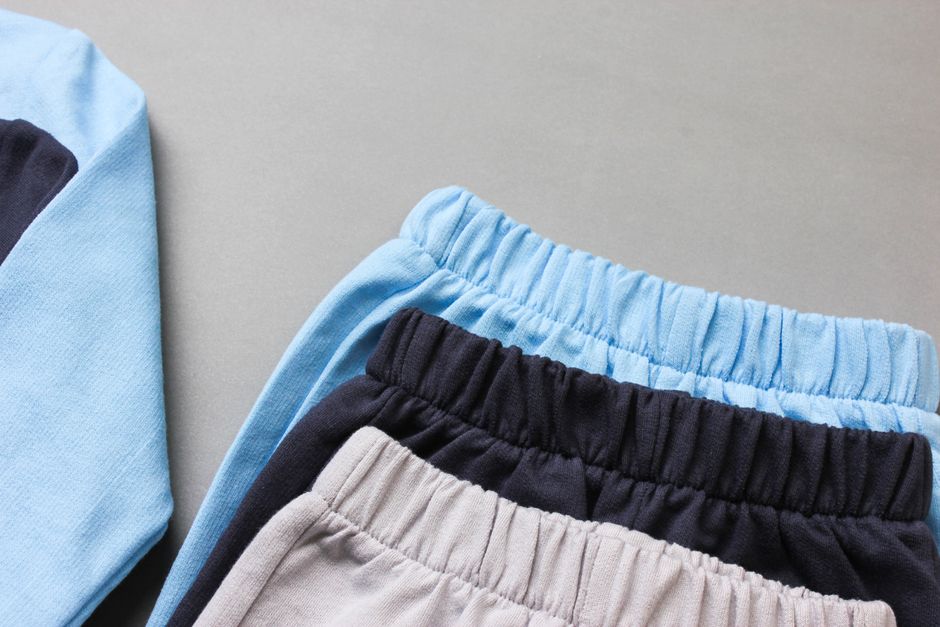
Eco friendly baby apparel refers to clothing made from natural, non-toxic materials — like organic cotton, merino wool, and bamboo — that are safer for your baby's skin and gentler on the planet.
Quick answers for parents shopping sustainably:
- Safest materials: GOTS-certified organic cotton, undyed fabrics, bamboo, and merino wool
- What to avoid: synthetic pesticides, formaldehyde, carcinogens, and microplastics in fabric
- Key certifications to look for: GOTS (Global Organic Textile Standard) and OEKO-TEX
- Best item types: rompers, pajamas, sleep bags, knotted hats, and gripper socks
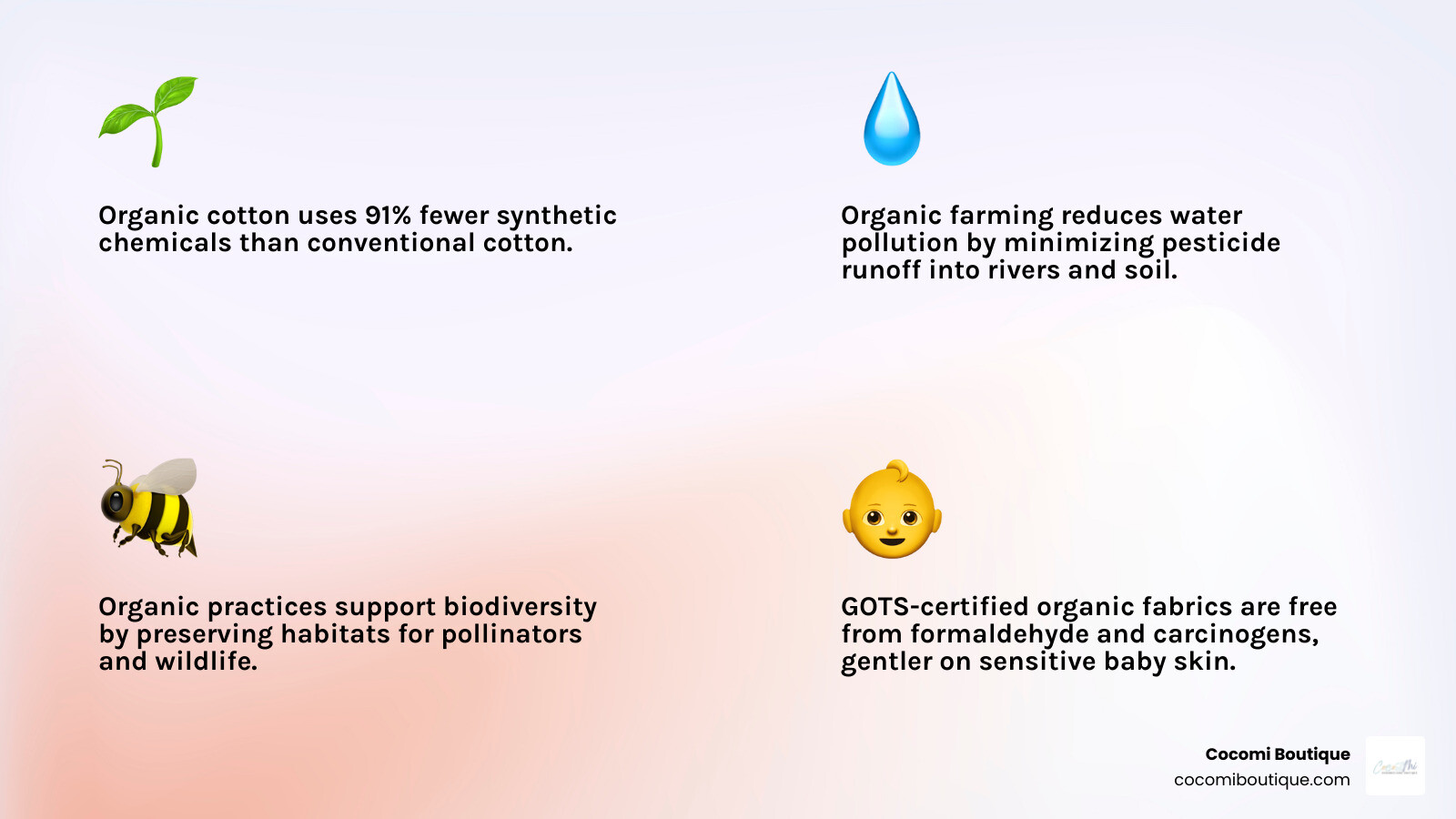
- Why it matters: organic farming uses fewer synthetic chemicals, reduces water and soil pollution, and supports biodiversity
Babies have some of the most sensitive skin of any humans — and they spend nearly all day wrapped in fabric. Conventional baby clothes can contain residual pesticides, synthetic dyes, and chemical finishes that irritate delicate skin or disrupt sleep. Organic options eliminate these risks while also supporting more responsible farming and manufacturing practices.
The choice isn't just about your baby. It's about the kind of world they'll grow up in.
I'm Monika Jarog, a designer of handcrafted baby essentials made from 100% natural, chemical-free materials, and my work with eco friendly baby apparel has given me insight into what truly makes a piece safe, durable, and worth passing down. In this guide, I'll walk you through the brands, materials, and categories that genuinely deliver on their sustainable promises.
The Essential Benefits of Eco Friendly Baby Apparel
When we talk about eco friendly baby apparel, we aren't just talking about a fashion trend. We’re talking about a fundamental shift in how we protect our children and the world they will inherit. For families in the Northbrook and Chicago areas, choosing organic isn't just a style choice; it's a wellness choice.
Protecting Sensitive Skin
Babies have incredibly thin skin that absorbs substances more easily than adult skin. Anyone who has been up in the middle of the night with a crying infant knows that you want to eliminate every possible irritant as quickly as possible! Conventional clothing often uses harsh dyes and chemical finishes. Research shows that exposure to harmful chemicals and dyes can lead to irritations and allergies in infants. By opting for organic fibers, we ensure that our little ones are wrapped in materials free from pesticides and heavy metals.
Environmental Stewardship
The impact of our clothing choices reaches far beyond the nursery. Conventional cotton is one of the most chemically intensive crops in the world. In contrast, organic farming practices use fewer synthetic chemicals, which significantly reduces water and soil pollution. According to research on organic cotton production, these methods support biodiversity and alleviate the environmental strain caused by intensive industrial farming.
Natural Temperature Regulation
Organic fibers like cotton and merino wool are naturally breathable and help regulate body temperature. This is vital for newborns who cannot yet regulate their own temperature effectively. Whether it's a humid Chicago summer or a brisk Illinois winter, these fabrics keep babies comfortable without the "sweat-trap" effect of synthetic polyesters. To learn more about building a healthy wardrobe, explore our guide on organic baby essentials.
Top Materials for a Sustainable Nursery
Building a sustainable nursery starts with understanding the labels. Not all "natural" fabrics are created equal. We look for specific certifications to ensure the highest standards of safety and ethics.
The Gold Standards: GOTS and OEKO-TEX
- GOTS (Global Organic Textile Standard): This is the worldwide leading textile processing standard for organic fibers. It doesn't just look at the farm; it covers the entire supply chain, including ecological and social criteria (like fair wages and safe working conditions).
- OEKO-TEX Standard 100: This certification ensures that every component of the garment—from the thread to the buttons—has been tested for harmful substances and is safe for human health.
Preferred Sustainable Fibers
- Organic Cotton: Grown without GMOs or synthetic fertilizers. It is remarkably soft, durable, and gets better with every wash.
- Merino Wool: A "super-fiber" that is moisture-wicking and incredibly soft. It’s perfect for layering and naturally resists odors.
- Bamboo: Often used for sleep bags and pajamas, bamboo is prized for its silky texture and thermal regulation properties.
- Washable Cashmere: For those looking for a touch of luxury that doesn't require a trip to the dry cleaners, washable cashmere offers heirloom quality and warmth.
- Undyed Fabrics: The most sustainable choice of all. These garments skip the dyeing process entirely, using the natural cream, brown, or green hues of the cotton plant to minimize chemical use.
Organic vs. Conventional Cotton: A Comparison
| Feature | Organic Cotton | Conventional Cotton |
|---|---|---|
| Pesticide Use | None (Natural pest control) | High (Synthetic pesticides) |
| Water Usage | Primarily rain-fed | High irrigation requirements |
| Soil Health | Builds soil matter; crop rotation | Depletes soil; monocropping |
| Skin Safety | Hypoallergenic; non-toxic | May contain chemical residues |
| Durability | High (Fibers are not weakened by chemicals) | Moderate |
Choosing the Best Eco Friendly Baby Apparel Materials
When selecting pieces for your little one, we recommend focusing on plant-based fibers. These are naturally free from microplastics, which are often shed by synthetic fleeces and polyesters during washing. Furthermore, choosing clothes labeled as formaldehyde-free and carcinogen-free provides peace of mind that your baby's respiratory health is protected. If you are looking for a thoughtful present, check out our tips on choosing the perfect organic baby gift set.
Durability and Longevity in Eco Friendly Baby Apparel
One of the most sustainable things we can do is buy less and choose well. Eco friendly baby apparel is often designed with "heirloom quality" in mind. Because the fibers haven't been stripped or weakened by harsh chemical treatments, they tend to be stronger. We love pieces that feature:
- Gender-neutral designs: Making them easy to pass down from a big brother to a little sister.
- Reinforced stitching: To survive the "crawling and climbing" phase.
- Generous sizing: Some organic brands design their PJs to run a bit big or feature foldable cuffs, allowing the garment to grow with the baby.
Must-Have Categories for Your Baby’s Wardrobe
Dressing a baby sustainably doesn't mean sacrificing style. From the first day home to the first trip to the beach, there is an eco-friendly option for every milestone.
The Foundation: Swaddles and Blankets
A high-quality swaddle is a multi-purpose tool—it’s a blanket, a nursing cover, and a burp cloth all in one. We recommend organic muslin for its lightweight, breathable weave. Explore our organic muslin swaddle collection to find the perfect match for your nursery. For those seeking the highest certification, our GOTS certified muslin blankets offer unmatched purity.
Everyday Essentials: Rompers and Bodysuits
Rompers are the "workhorse" of the baby wardrobe. Look for 100% organic cotton options with nickel-free snaps. These pieces are designed for easy diaper changes and maximum mobility. Many parents in our Chicago community prefer undyed or low-impact dyed rompers for daily wear to ensure the softest touch against the skin.
Sleep and Outerwear
- Sleep Bags: A safe alternative to loose blankets, sleep bags made from bamboo or organic cotton help regulate temperature throughout the night.
- Outerwear: For our chilly Illinois winters, look for recycled polyester or organic wool coats. Some brands even offer "fleece" made from organic cotton, providing warmth without the microplastics.
- Swimwear: Yes, even swimwear can be eco-friendly! Look for brands using recycled nylon (often made from salvaged fishing nets) to keep the oceans clean while your baby splashes.
Accessories: The Finishing Touches
Don't forget the small things. Knotted hats made from organic rib-knit cotton are essential for newborns. Gripper socks made from organic fibers ensure that as your baby starts to find their feet, they aren't slipping on hardwood floors or absorbing chemicals through the soles of their feet.
Ethical Practices and Environmental Commitments
True sustainability is about more than just the fabric; it’s about the philosophy of the brand. When we curate our collections at Cocomi Boutique, we look for partners who share our commitment to a better world.
Social Responsibility and Fair Labor
Eco-friendly fashion and ethical labor go hand-in-hand. We prioritize brands that ensure fair wages and safe working conditions for the people—often women in small factories—who sew these precious garments. This human element is a critical part of the "sustainable" label.
Giving Back to the Planet
Many leaders in the eco friendly baby apparel space integrate "give-back" programs into their business models. Some of our favorite initiatives include:
- Tree-Planting: Planting at least one tree for every item sold to help reforestation efforts.
- Wildlife Conservation: Donating a percentage of monthly sales to organizations like the Sheldrick Wildlife Trust to protect endangered species.
- Plastic-Free Packaging: Replacing single-use plastic mailers with fully degradable or compostable bags.
Circular Fashion and Waste Reduction
The most sustainable garment is the one that already exists. We are big fans of the "circular" model, which includes:
- Secondhand Options: Buying and selling gently used organic pieces.
- Zero-Waste Bundles: Using fabric scraps to create accessories like headbands or scrunchies.
- Heirloom Quality: Designing clothes that are meant to be gifted, handed down, or kept for the next generation. For more on this, read about eco-chic organic gifting.
Frequently Asked Questions about Sustainable Baby Clothes
What is GOTS certification and why does it matter?
GOTS (Global Organic Textile Standard) is the "gold standard" because it tracks the garment from the field to the finished product. It ensures no toxic chemicals were used during farming or processing and that the workers involved were treated ethically. It’s the most comprehensive way to ensure your eco friendly baby apparel is actually what it claims to be.
How do I care for organic fabrics to ensure they last?
To maintain the integrity of organic fibers, we recommend washing in cold water with a gentle, plant-based detergent. Avoid bleach and fabric softeners, which can coat the fibers and reduce breathability. Tumble dry on low or line dry to prevent shrinkage and save energy. Because organic cotton isn't treated with "anti-shrink" chemicals, a small amount of shrinkage is normal during the first wash.
Why is organic cotton better for babies with sensitive skin?
Conventional cotton is often treated with formaldehyde to prevent wrinkles and flame retardants that can be skin irritants. Organic cotton skips these finishes. Furthermore, the absence of synthetic pesticides means there is no chemical residue left in the fibers to cause "contact dermatitis" or flare-ups for babies with eczema.
Conclusion
At Cocomi Boutique, we believe that dressing your baby should be a joy, not a compromise. By choosing eco friendly baby apparel, you are investing in quality craftsmanship, stylish comfort, and—most importantly—a healthier future for your child. Our commitment to the Northbrook and Chicago communities is to provide a curated selection of the finest natural materials, ensuring that every purchase supports both your baby's wellness and planetary health.
From the softest organic muslin to the most durable cotton rompers, sustainable style is more than a trend; it's a legacy of care. We invite you to explore the latest in sustainable baby style and join us in making the world a little softer, one organic onesie at a time.